Seoul Institute Smart Transportation Lab report
Owners of high-end cars show stronger 'car pride'
Owners of high-end cars show stronger 'car pride'
Researchers at the Seoul Institute’s Smart Transportation Lab say drivers who treat cars as extensions of their identity and status — a phenomenon the report calls \"car pride\" — are more likely to tolerate discourteous driving.
On March 31, researchers Lee Chang and Kim Young-beom published a report showing that the stronger a driver's psychological attachment to and the symbolic value placed on their vehicle, the more tolerant they are of unsafe behaviors such as speeding, changing lanes without signaling, and tailgating at intersections.
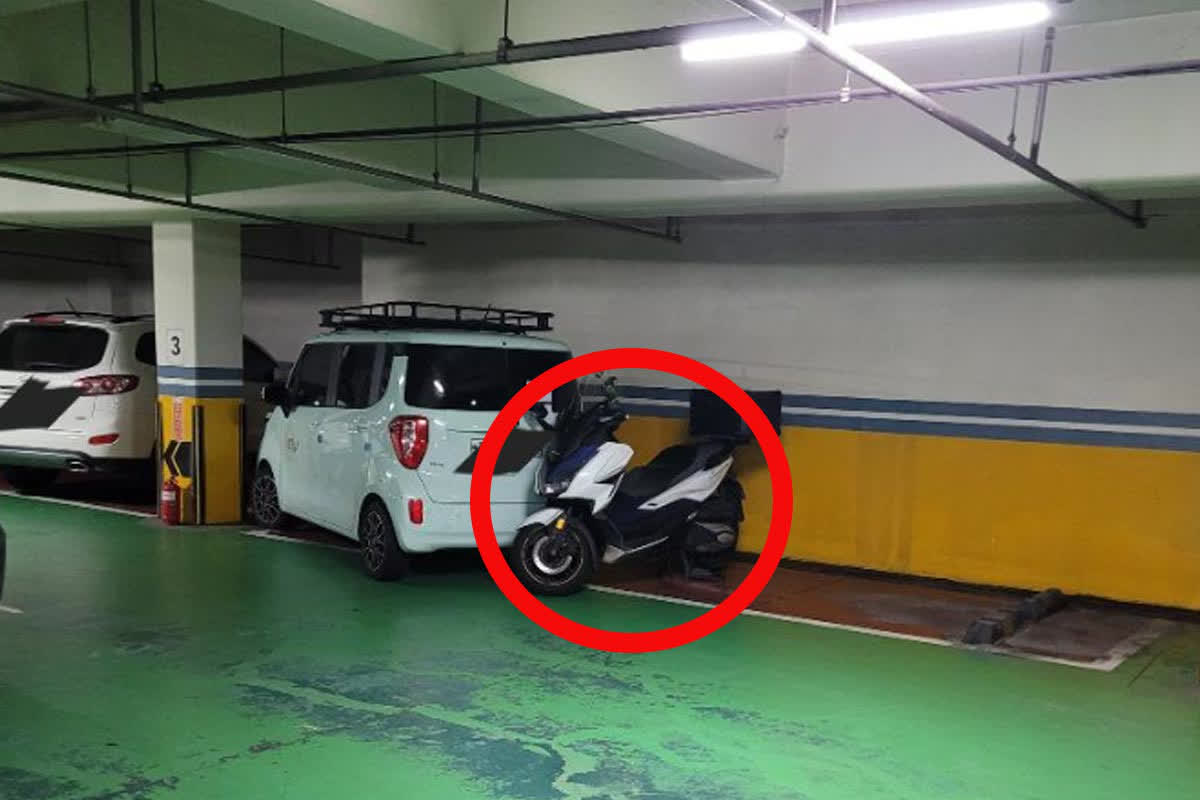
The study found the greatest tolerance coefficient — 0.64 — for disorderly parking, commonly referred to as \"villain parking,\" indicating that drivers with pronounced car pride are particularly prone to actions that inconvenience others.
That tendency was closely linked to vehicle price. Surveying 2,000 Seoul residents and dividing them into high-, mid- and low-priced vehicle groups, the researchers found owners of higher-priced cars were more likely to view their vehicles as a form of self-expression.
Agreement with the statement \"My car expresses who I am\" was higher among the top group. The average car-pride score was 3.42 for the top group versus 2.97 for the bottom group.
Perceptions also diverged on whether drivers of luxury cars receive more respect: 51.9% of imported-car owners agreed, compared with 44.3% of domestic-car owners. The finding suggests owners of pricier vehicles are more likely to equate their cars with a public social persona.
The researchers concluded these psychological factors influence actual driving habits and vehicle use. Drivers who feel a stronger attachment to their cars tend to use them more frequently and are correspondingly more likely to tolerate undesirable driving behaviors.
They urged policymakers to account for these perceptions and psychological drivers. As excessive attachment to cars grows, it can exacerbate traffic congestion and pollution and pose threats to road safety.
\"The stronger the tendency to regard a car as part of oneself and to project identity onto it, the greater the risk of accidents and the higher the social costs,\" the researchers said, calling on traffic policy to reflect these psychological factors.