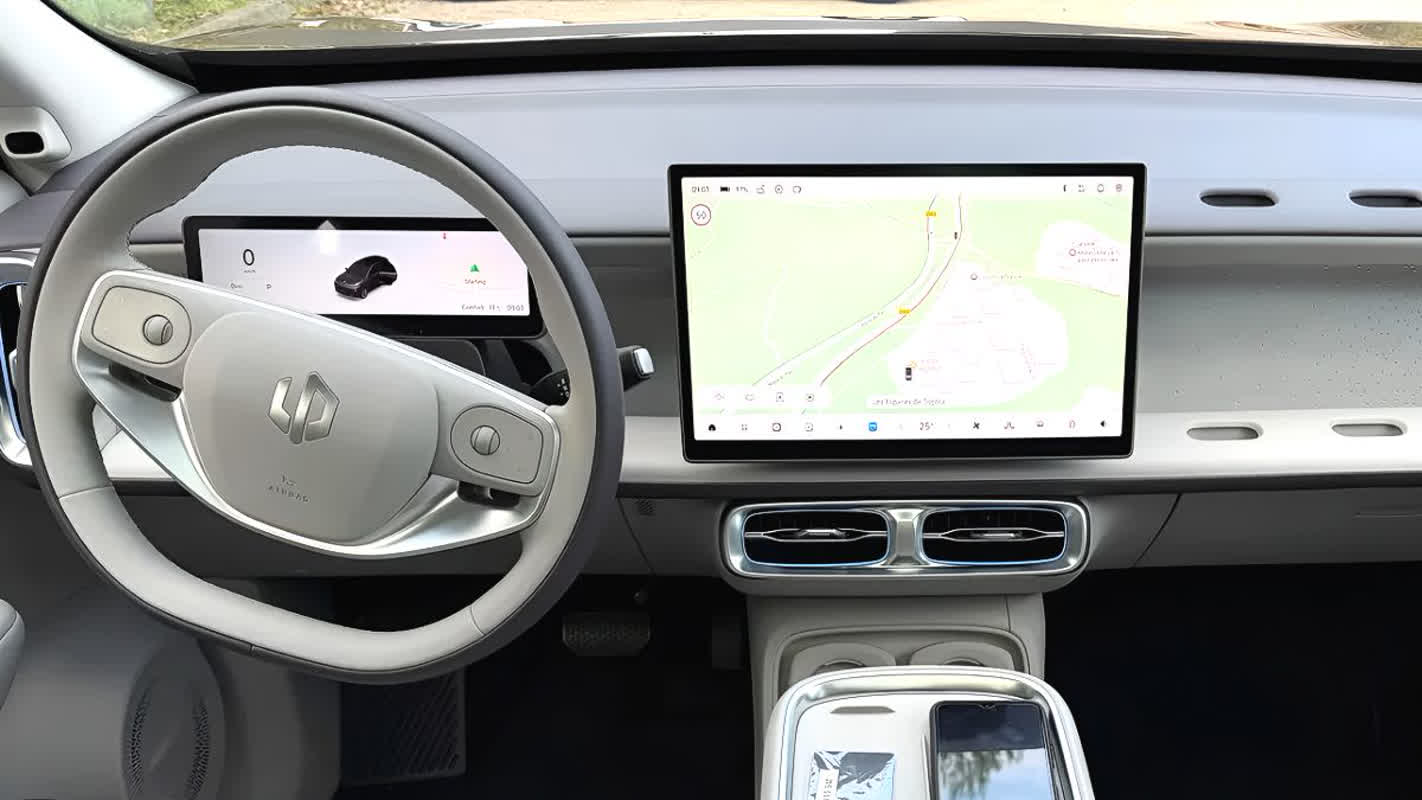
Hyundai Motor, long a minor player in the autonomous driving market, now has an opportunity to shift the trajectory. The government’s autonomous-driving demonstration city project in Gwangju opens the door for the automaker to collect large-scale, real-world driving data.
Industry analysts say Hyundai and Kia could accelerate their autonomous-driving competitiveness if the program leverages synergy with their U.S. partner, Motional.
Hyundai, Kia to supply vehicles to autonomous-driving city Gwangju
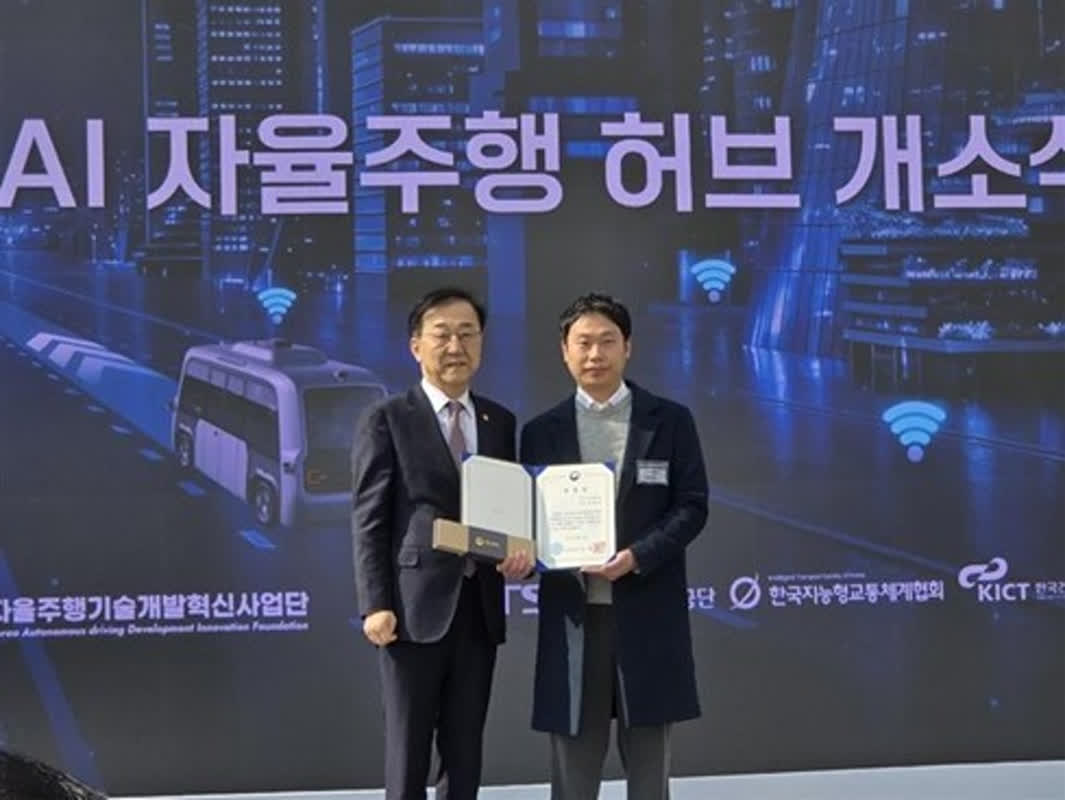
On the 9th, Hyundai Motor and Kia were selected as the vehicle manufacturers and mobility platform operators for the K-Autonomous Driving Cooperation Model, part of the government-led Autonomous Driving Demonstration City Project. The initiative aims to establish regulatory and operational frameworks in Gwangju to enable autonomous vehicle operations, gather high-quality real-world driving data and support autonomous vehicle technology development.
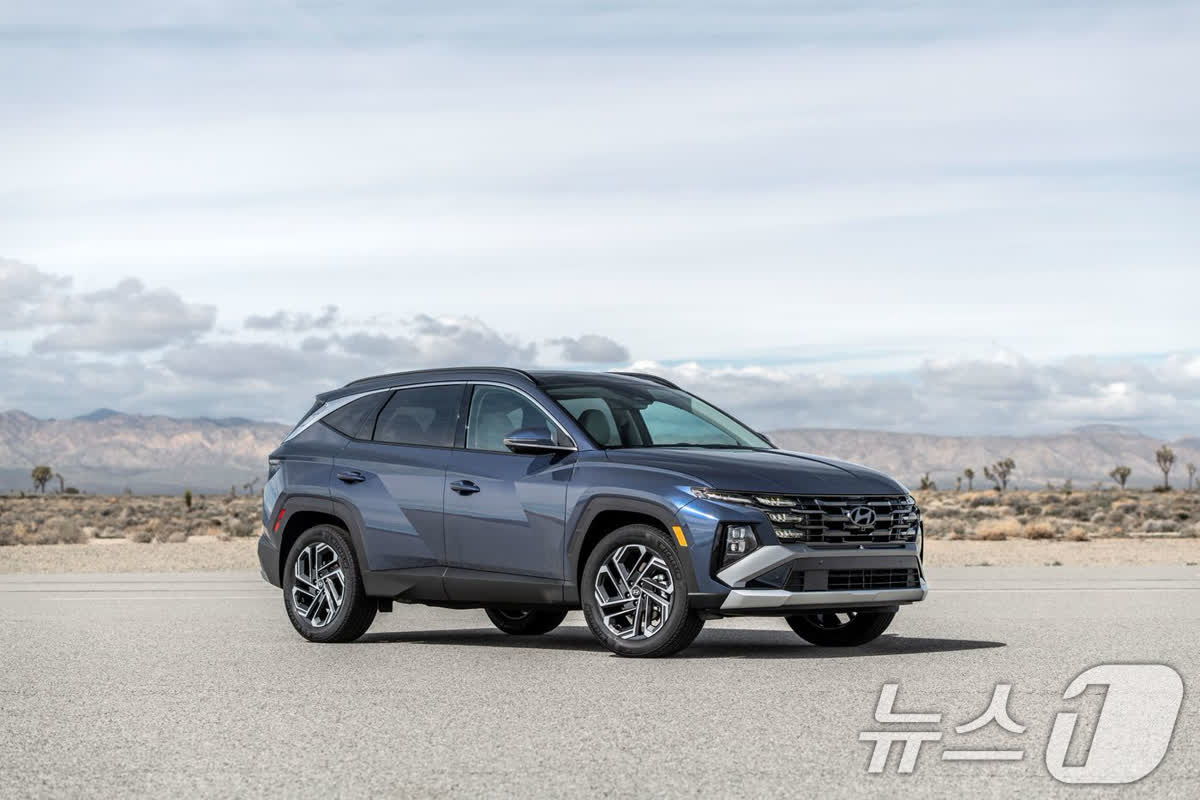
Hyundai and Kia will provide dedicated development vehicles to the autonomous-technology vendors chosen later and will operate a transport brokerage and control platform to validate commercial autonomous services. In short, they will supply the hardware for autonomous driving and build the network that connects it.
Specifically, the companies plan to produce development vehicles that allow technology developers to implement and test their systems, and to share the vehicle and operational data generated during trials with those developers to support technology refinement.
They will also deploy a Shucle-based call-and-dispatch platform tailored for autonomous services, designed to integrate the city’s transport modes into a single service. Built by Hyundai and Kia for the autonomous era, the Shucle platform uses AI and real-time traffic data to generate optimal routes, manage pick-ups and drop-offs, and monitor the fleet to maintain operational safety.
Kim Soo-young, executive director of Hyundai Motor and Kia’s Mobility Business Office, said the demonstration project is an important opportunity to validate Hyundai’s and Kia’s integrated autonomous-driving capabilities in a real urban environment. “We will focus our efforts on advancing technology to establish a system in which vehicles, autonomous-driving software and platforms work organically together, and on turning demonstration results into scalable standards,” he said.
Path opens to securing test data
Industry observers say Hyundai’s role in the demonstration city—especially handling the transport-platform segment through the Shucle platform—should help accelerate its autonomous-driving development.
Having access to data collected from autonomous vehicles operating across the city means Hyundai and Kia can build a foundation for large-scale test-data accumulation. Insiders note this creates substantial opportunities to improve in-house autonomous-driving software and strengthen commercial service capabilities.
An AI industry official said, “Across AI fields, acquiring verifiable test data is a critical challenge. Hyundai’s ability to amass vast datasets through platform operation looks more important than simply supplying hardware for autonomous driving.”
Synergy between Gwangju and Las Vegas?
Some analysts say the domestic demonstration project could create useful synergies with pilot operations the company runs in the U.S.
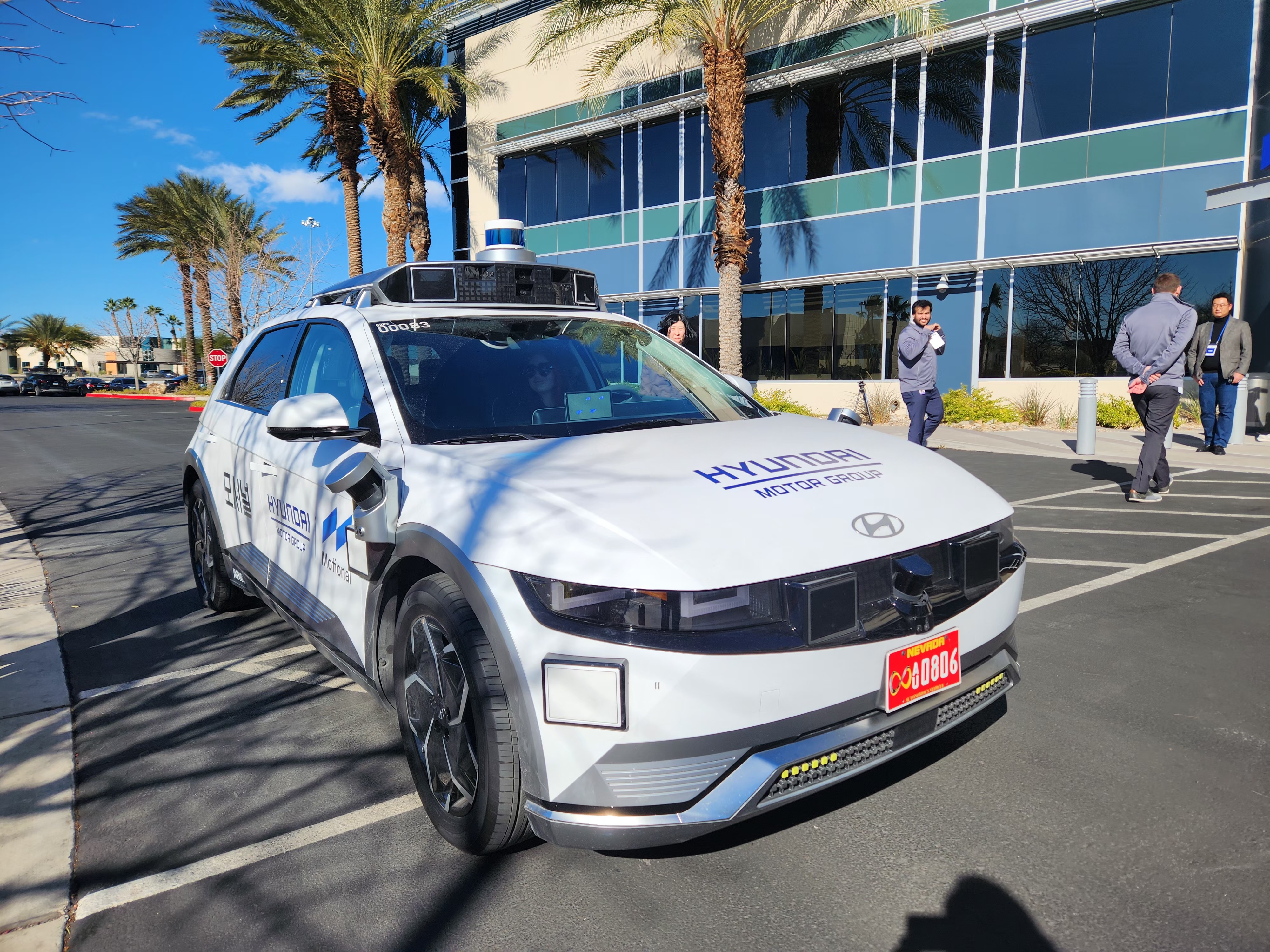
Through its U.S. joint venture Motional, Hyundai is piloting Level 4 autonomous operations in cities such as Las Vegas and Pittsburgh. Given differences in traffic laws, road conditions and driving culture between South Korea and the U.S., datasets collected in both countries could complement each other and produce more valuable insights.
Roughly 80% of Hyundai Motor and Kia’s sales are to overseas markets, so proving autonomous systems can handle diverse conditions is crucial. Industry experts say collecting data from both the domestic market and North America will be tightly linked to the medium- and long-term commercialization of autonomous driving.