Nissan has kicked off development of the next-generation GT-R
Possible shift to an HYBE drive system
Expected to debut before 2030
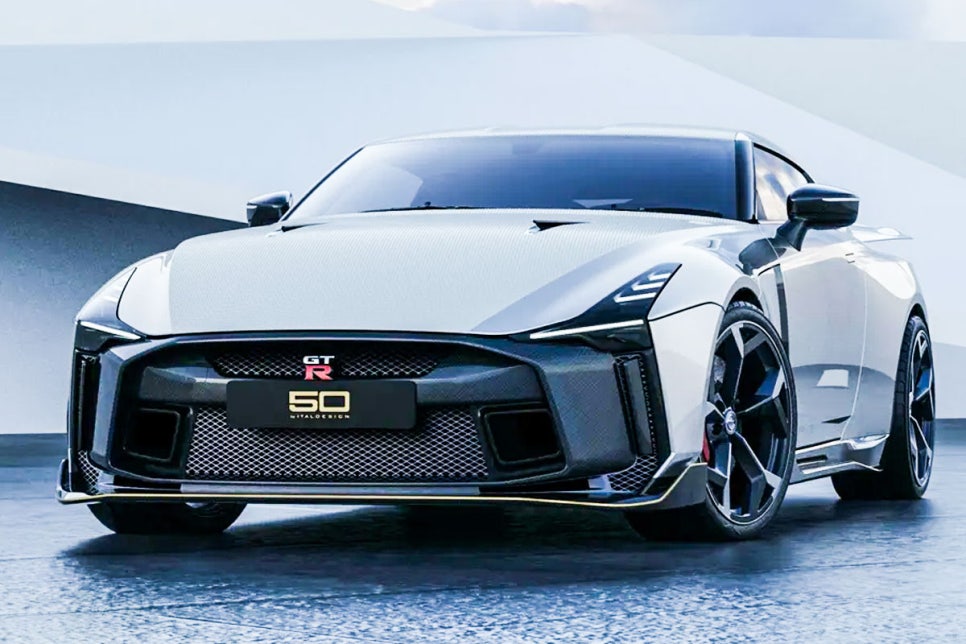
GT-R50 – Source: Nissan
Nissan has kicked off development of the next-generation GT-R and is in the program’s early development phase, a move that signals the likely return of the legendary sports car.
Additional details on the R36 are expected around 2028, with the production model anticipated to be revealed before 2030. The schedule points to a prolonged development cycle.
That timeline is logical: the GT-R is not just another model but Nissan’s halo car. The company appears to be prioritizing refinement and overall execution.
Stays V6-based
Likely transition to an HYBE drive
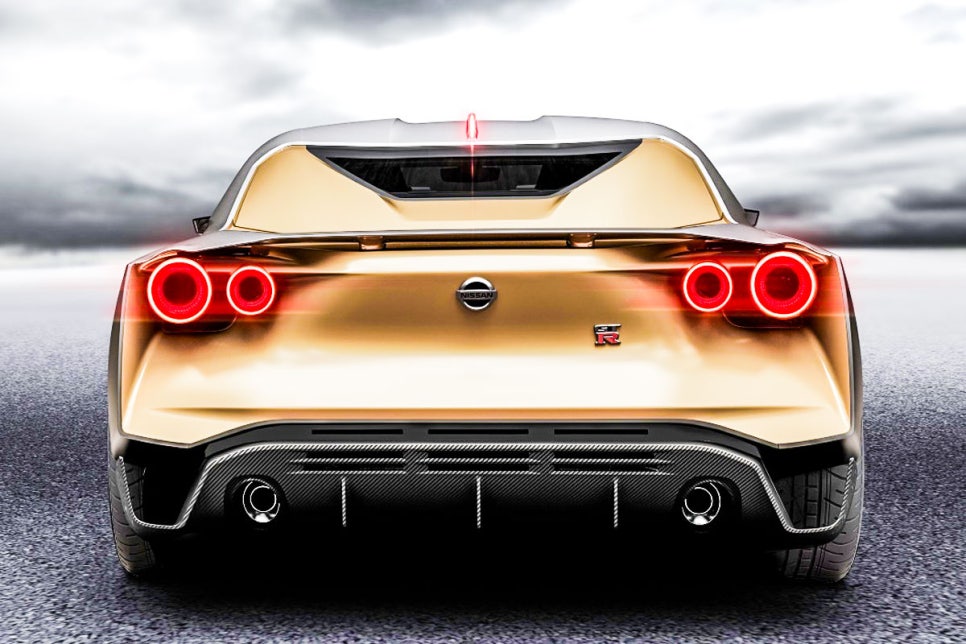
GT-R50 – Source: Nissan
The next GT-R is expected to retain the current 3.8L twin‑turbo V6 as its combustion core. However, the engine alone will struggle to meet tightening global emissions requirements.
Reports indicate Nissan is likely to pair the V6 with an HYBE drive system—adding electric motors and a battery pack—to meet regulations while preserving or improving performance.
Electrification to lift performance
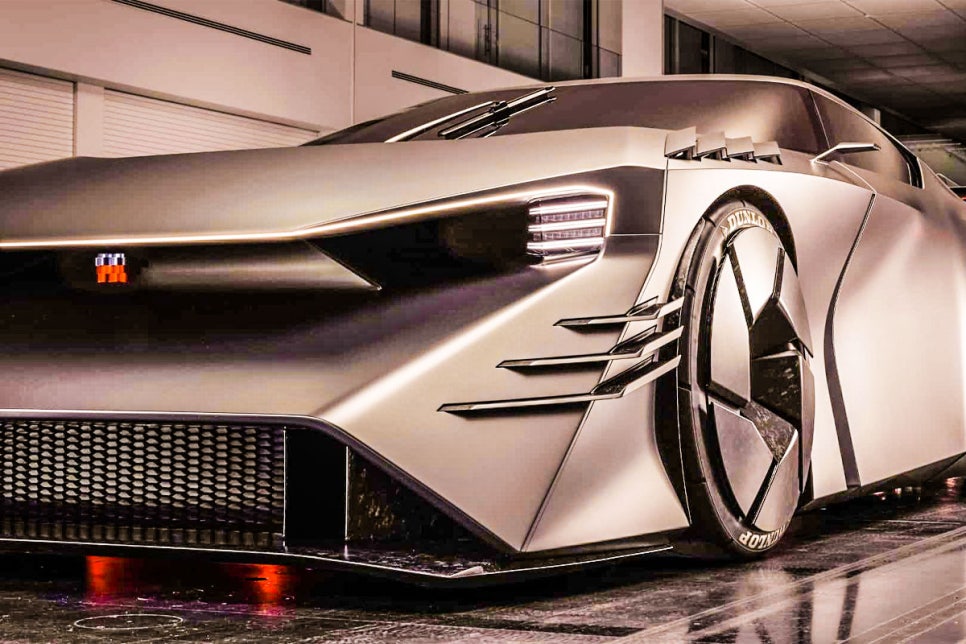
Hyperforce concept – Source: Nissan
The GT-R’s all‑wheel‑drive layout and dual‑clutch transmission have long been central to its performance. For the R36, Nissan plans to evolve those systems further.
Expect stronger torque‑vectoring and electrification to boost combined output. Electric motors will supplement the V6, which should translate into quicker acceleration and broader performance capabilities than the outgoing model.
Must evolve to meet supercar competition
Evolution required
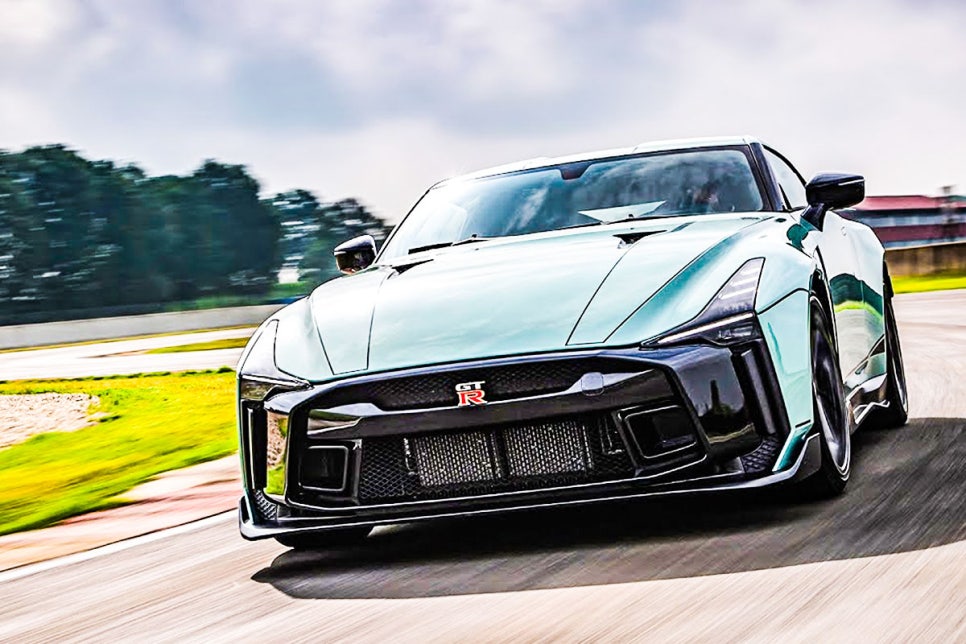
GT-R50 – Source: Nissan
The GT-R has delivered class-leading performance for decades, but rapid advances in supercar and hypercar technology—especially around electrification—have changed the competitive landscape.
Under the old formula, it’s harder to keep pace. Nissan appears set to blend the GT-R’s heritage with new technical innovations, and observers are watching closely for the next-era “Godzilla.”