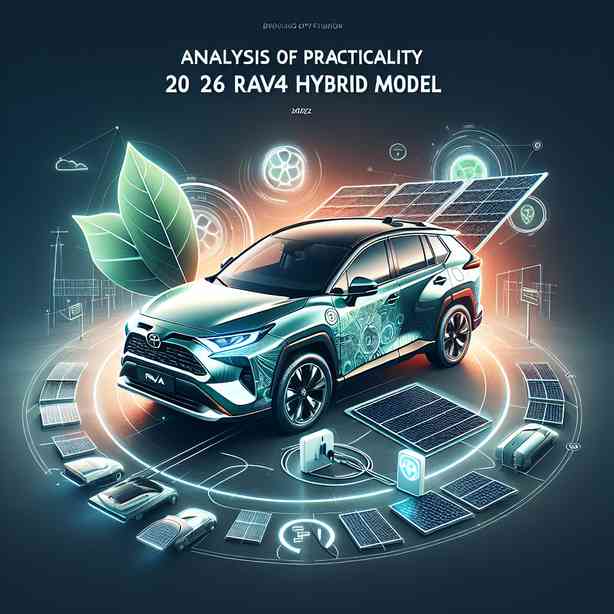
2026 Toyota RAV4 HYBE Lead: New Model Practicality Analysis
The 2026 Toyota RAV4 HYBE Lead has drawn strong global interest in the SUV market. To evaluate its practicality, this piece examines interior space, cargo capacity, fuel economy, safety and driver aids, and the latest technology—offering a comprehensive look at how well the new RAV4 serves everyday needs.
Space Use: Competitive as a Family Car
Built on a compact-SUV platform, the 2026 RAV4 HYBE Lead provides generous interior room. Overall length, width and height increased slightly from the previous generation, and a family of five can ride comfortably. Rear legroom exceeds 970 mm (about 38.2 in), so three adults won’t feel cramped, and headroom is among the class leaders. The second row folds 60:40, and cargo volume expands from a baseline 580 liters (about 20.5 cu ft) to 1,690 liters (about 59.7 cu ft) with the seats down—roughly 10% above the NHTSA mid‑size SUV average. A flat floor helps reduce discomfort for the center rear passenger, while rear vents and USB‑C ports reflect family‑oriented needs. Those packaging decisions make the RAV4 a strong contender as a practical family SUV.
Cargo Capacity and Seat Flexibility
Cargo space is central to SUV utility. The RAV4 HYBE Lead uses a hatchback‑style tailgate for easy loading. The trunk floor is height‑adjustable—flat for everyday use or lowered for bulky items—and can accommodate three golf bags and two large suitcases simultaneously. With the second row folded, volume reaches 1,690 liters, enough for camping gear like tables, chairs and tents. A power liftgate is standard for hands‑free operation, and Toyota’s smart trunk opens when the smart key is detected and you kick beneath the bumper—practical for loading groceries or luggage. Overall, the RAV4’s cargo flexibility gives it an edge over many rivals.
Fuel Economy and Ownership Costs: Real Advantages of the HYBE Lead Powertrain
Fuel economy is one of the RAV4 HYBE Lead’s standout attributes. The HYBE Lead system pairs a 2.5‑liter gas engine with electric motors for a combined output of 222 hp. Official figures list combined fuel consumption at 18.5 km/L (about 43.5 mpg US), with 19.0 km/L (about 44.7 mpg US) in city driving and 18.0 km/L (about 42.3 mpg US) on the highway—roughly 40% more efficient than typical gasoline SUVs in the class. A 55‑liter (about 14.5 gal) tank yields more than 1,000 km (about 621 miles) on a fill. Toyota backs the HYBE Lead battery with a 10‑year/200,000 km warranty, lowering long‑term ownership risk. The hybrid system lets the RAV4 run on electric power at low speeds in traffic, delivering meaningful savings for commutes and errands. Owner‑reported fuel figures closely match official ratings, reinforcing real‑world credibility.
Driver and Passenger Comfort
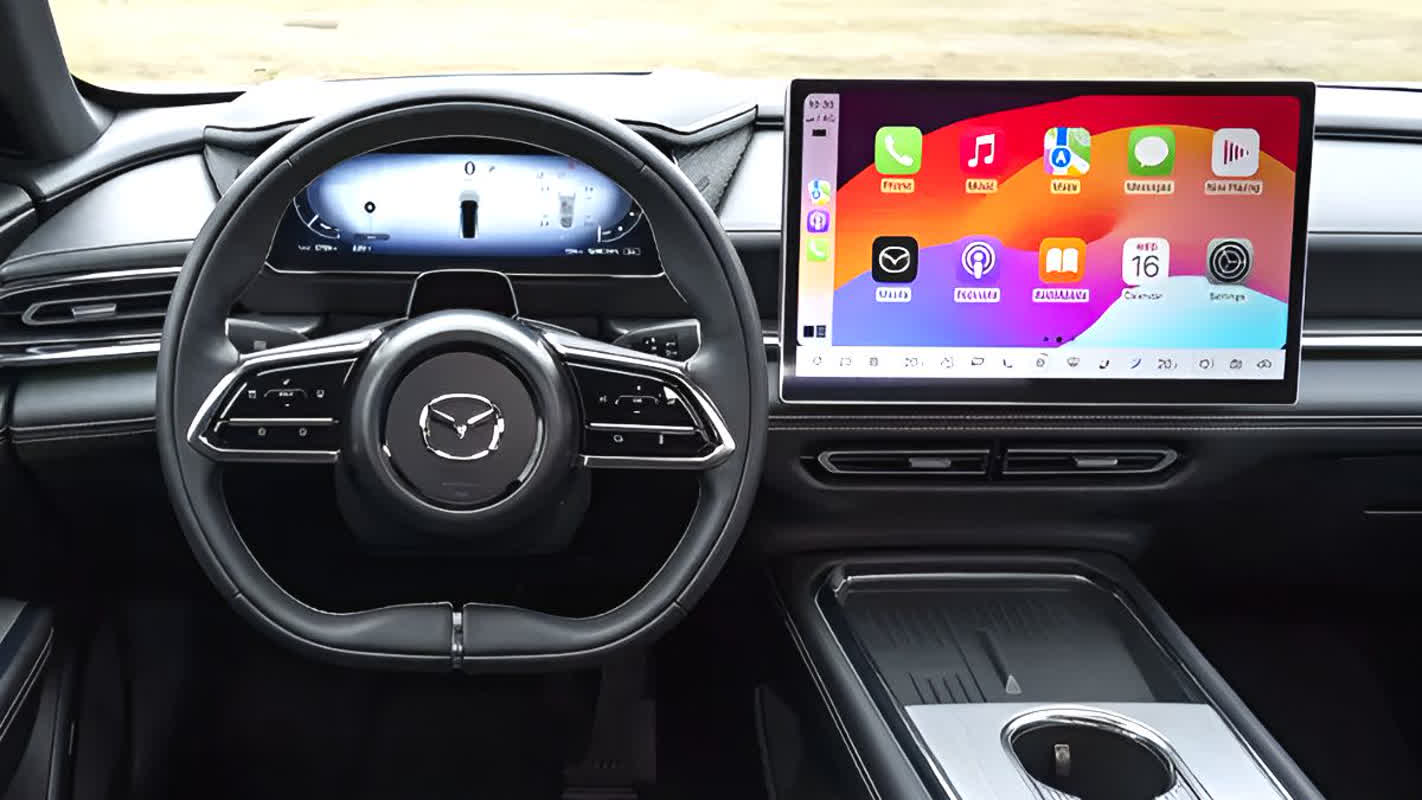
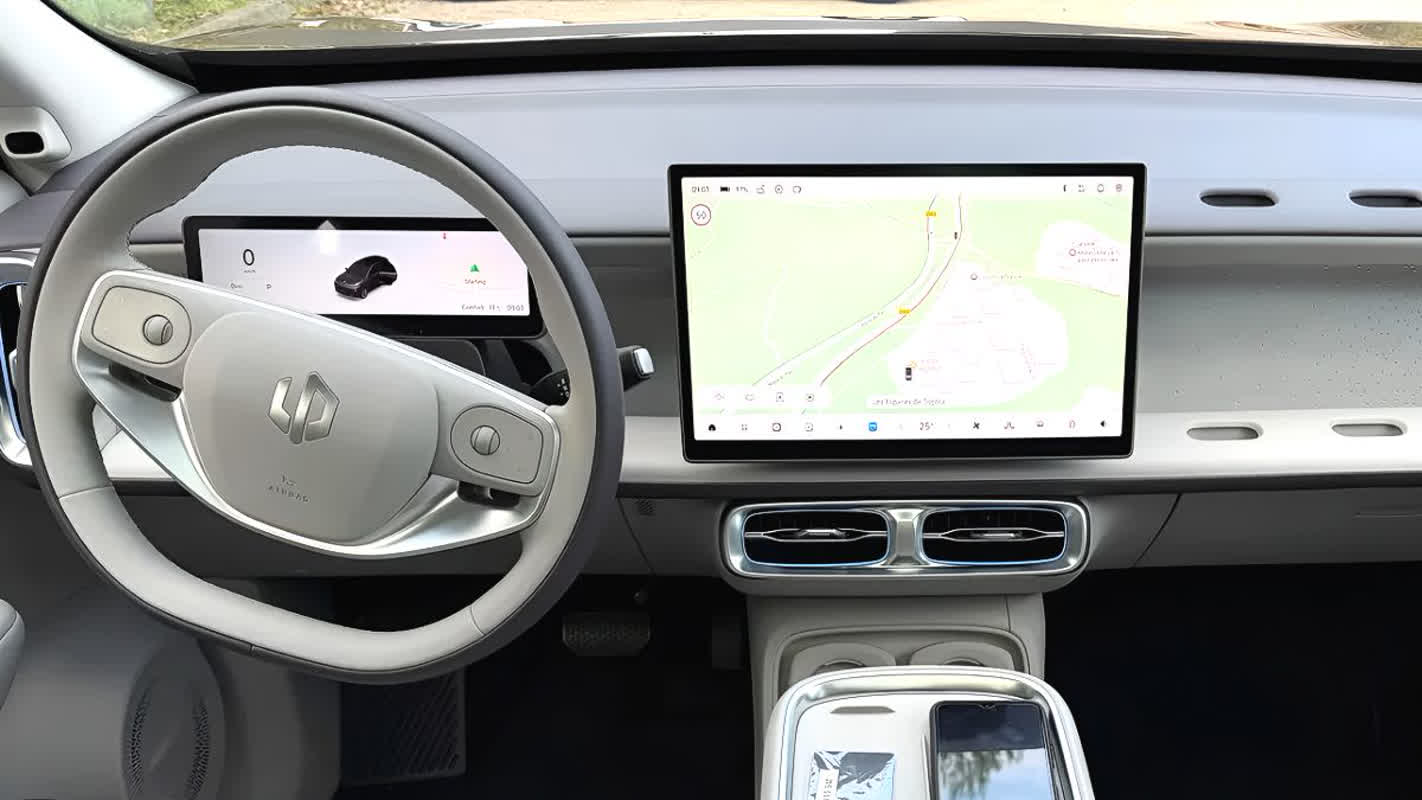
The RAV4 HYBE Lead includes a range of comfort features for drivers and passengers. The driver’s seat offers 10‑way power adjustment and lumbar support as standard to reduce fatigue on long drives. The second row reclines and slides for flexible passenger comfort. The cabin provides up to five USB‑C ports, a 15W wireless charging pad and a 12V outlet. A panoramic sunroof, dual‑zone automatic climate control and rear vents help maintain comfort for all occupants. The cockpit pairs a 12.3‑inch digital instrument cluster with a 14‑inch infotainment screen that supports wireless Apple CarPlay and Android Auto, voice recognition and OTA software updates—modern conveniences that boost daily usability.
Advanced Safety and Driver‑Assist Systems
Safety remains central to practicality. Toyota’s latest safety suite, TSS 3.0, is standard across trims and includes forward collision assist, lane‑keeping assist, lane‑departure warning, adaptive cruise control, automatic emergency braking, blind‑spot detection, rear cross‑traffic alert, intersection collision mitigation and auto high‑beam. Parking aids include a 360‑degree surround‑view monitor, front and rear parking sensors and semi‑autonomous parking assists that help less experienced drivers. Recent crash testing awarded the new RAV4 top ratings across categories, underscoring its occupant protection. Those safety systems reinforce the model’s real‑world practicality.
Driving Performance and Ride Quality
Driving quality factors into practicality as well. The HYBE Lead system delivers smooth acceleration and a quiet cabin. With 222 hp and peak torque of 22.5 kg·m (about 163 lb‑ft), the RAV4 handles daily driving, highway merges and passing with confidence. Electronic AWD (E‑Four) improves traction on slippery surfaces, and a multi‑link rear suspension helps tame vibration and noise for a comfortable ride. Low NVH and an integrated active noise‑cancellation system make the cabin notably quiet—beneficial for family trips and long drives.
Interior Finish and Durability
Inside, the RAV4 mixes higher‑grade finishes with durable materials. Soft‑touch surfaces cover the dash and door panels, and seats are available in breathable synthetic leather or premium fabric. Floor mats are water‑ and dirt‑resistant for easy cleanup after outdoor activities. Controls feel solid and intuitive, and Toyota uses eco‑friendly materials that resist chemical and heat damage to limit discoloration over time. These choices make the interior practical for day‑to‑day life, including trips with kids or pets.
Maintenance and Reliability
Toyota’s reputation for reliability extends to the 2026 RAV4 HYBE Lead. Major hybrid components—battery, inverter and motor—carry a 200,000 km/10‑year warranty. Scheduled maintenance intervals and consumable replacement cycles are extended versus many conventional SUVs, lowering long‑term running costs. Consumer surveys place the new RAV4 near the top of its class for owner satisfaction and dependability. The hybrid architecture also reduces wear on brake pads and engine oil, further cutting maintenance expenses.
Recreational Use: Car Camping and Camping‑Ready Features
With the rise of SUV‑based car camping, the RAV4 HYBE Lead is well suited for outdoor life. Folding the second row creates a flat sleeping area that can comfortably fit two adults with an air mattress. The trunk integrates a 220V external power inverter for running small appliances—lights, a rice cooker or a coffee maker—while camping. Floor storage bins, sliding trays and cargo nets add practical storage options. That versatility positions the RAV4 as more than an urban runabout—it supports active, outdoor lifestyles.
Practicality Comparison with Rival Models
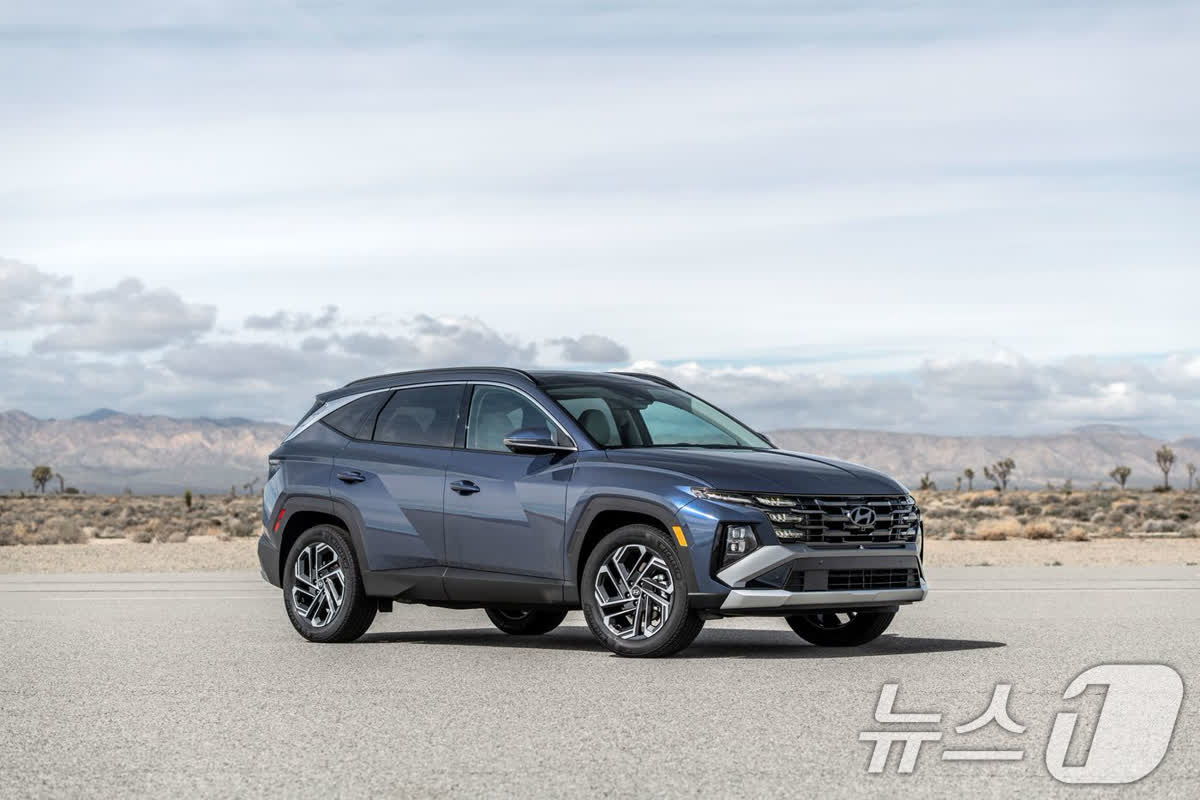
When compared to rivals such as the Hyundai Tucson HYBE Lead, Kia Sportage HYBE Lead and Honda CR‑V HYBE Lead, the RAV4 HYBE Lead stands out in several practical areas: trunk volume, second‑row legroom, hybrid fuel economy, safety kit and durability. For example, trunk volumes are 580 liters for the RAV4, 553 liters for the Tucson and 522 liters for the CR‑V, making the RAV4 the roomiest of the group. Toyota’s global warranty network and parts availability also strengthen after‑sales support. For buyers prioritizing real‑world usefulness, the 2026 RAV4 HYBE Lead is a rational choice.
Practicality‑Oriented Design and Exterior
The exterior emphasizes everyday usability. Toyota adjusted the A‑pillar angle to widen the driver’s field of view and optimized mirror placement and size to reduce blind spots. Roof racks and lower bumper guards add utility for outdoor use, while dirt‑resistant paint tones and easy‑care materials simplify upkeep. Tires range from 17 to 19 inches to balance durability and ride comfort. These design details enhance real‑world functionality.
Conclusion: Overall Practicality Rating for the 2026 Toyota RAV4 HYBE Lead
The 2026 Toyota RAV4 HYBE Lead delivers top‑tier practicality across space, cargo flexibility, fuel economy, safety, convenience and durability. It’s designed to work as a family hauler, daily commuter and leisure vehicle. Owner feedback and independent data consistently point to the new RAV4 as an excellent pick for buyers who prioritize usefulness. If you want an SUV that balances practicality, efficiency, safety and long‑term reliability, the 2026 RAV4 HYBE Lead is a highly sensible choice.