BMW 2 Series Active Tourer: The New Benchmark for Premium Family Cars
The BMW 2 Series Active Tourer has long been a versatile family vehicle from a premium brand, balancing practicality, performance and advanced technology. The newly unveiled 2026 model brings upgrades across design, powertrains, interior fit and finish, and safety and convenience features, putting it in a distinctive position in the family-car segment. With sharper pricing and improved performance, BMW is resetting the standard for the premium compact MPV market. This review focuses on pricing and performance details buyers and industry experts will want to know.
2026 BMW 2 Series Active Tourer Pricing Structure
BMW positioned the 2026 2 Series Active Tourer to maintain premium cachet while offering practical, sensible configurations. In the domestic market, the entry trim starts at roughly 49 million KRW (about $36,750). Higher trims, the plug-in hybrid (PHEV) 225e xDrive and a range of options push prices into the mid-to-high 60 million KRW range (about $45,000–$49,500).
The lineup includes 218i, 220i, 223i and 225e xDrive (plug-in hybrid) trims, each differentiated by powertrain and option content. The entry-level 218i pairs a 1.5-liter three-cylinder turbo gasoline engine with an accessible price point. Models like the 223i and the 225e xDrive add higher-output engines, all-wheel drive and advanced driver-assistance systems, which raise the price accordingly.
BMW’s long-standing customization approach remains intact, with packages such as the M Sport pack, premium audio, panoramic glass roof, adaptive LED headlights and advanced driver-assist suites. Those choices let buyers tailor the car to their lifestyle and budget. Compared with competitors such as the Mercedes‑Benz B‑Class, the 2026 2 Series Active Tourer comes with many high-end comfort and safety features as standard, while preserving robust option flexibility—helping it stand out in its class.
Powertrains and Performance: Balancing Efficiency and Dynamics
The 2026 2 Series Active Tourer offers multiple powertrains to meet a wide range of customer needs. The base 1.5-liter three-cylinder turbo produces 136 PS (about 134 hp) and 22.4 kg·m of torque (about 162 lb‑ft), paired with a 7-speed dual-clutch automatic for smooth shifts and strong fuel economy. For drivers who want more power, the 223i uses a 2.0-liter four-cylinder turbo rated at 170 PS (about 168 hp) and 28.6 kg·m (about 207 lb‑ft).
The plug-in hybrid 225e xDrive combines an electric motor with the 1.5‑liter gasoline engine for a system output of 245 PS (about 242 hp) and 42.8 kg·m (about 310 lb‑ft). In electric-only mode it can cover roughly 80 km (about 50 miles, WLTP), making it efficient for daily commutes and viable on longer trips. The 225e xDrive also uses BMW’s xDrive all-wheel-drive system for secure traction across varying road surfaces.
Suspension tuning preserves BMW’s signature balance of comfort and sportiness. With MacPherson struts up front and a multi-link rear, the Active Tourer delivers a composed ride in everyday driving and responsive handling at higher speeds or on winding roads. Opting for the M Sport package adds a sport-tuned suspension, larger brakes and firmer steering for a sharper driving feel.
Interior Design and Space Utilization
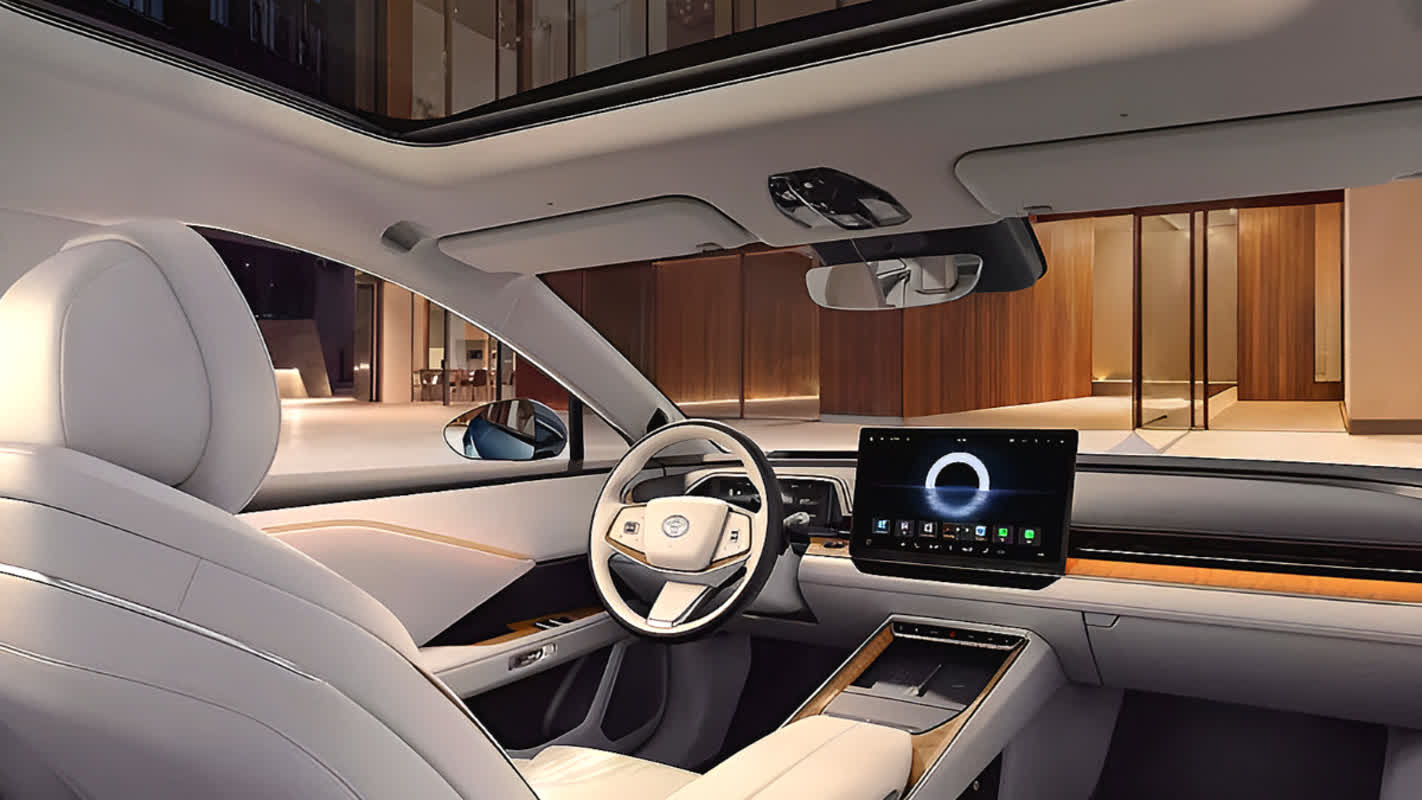
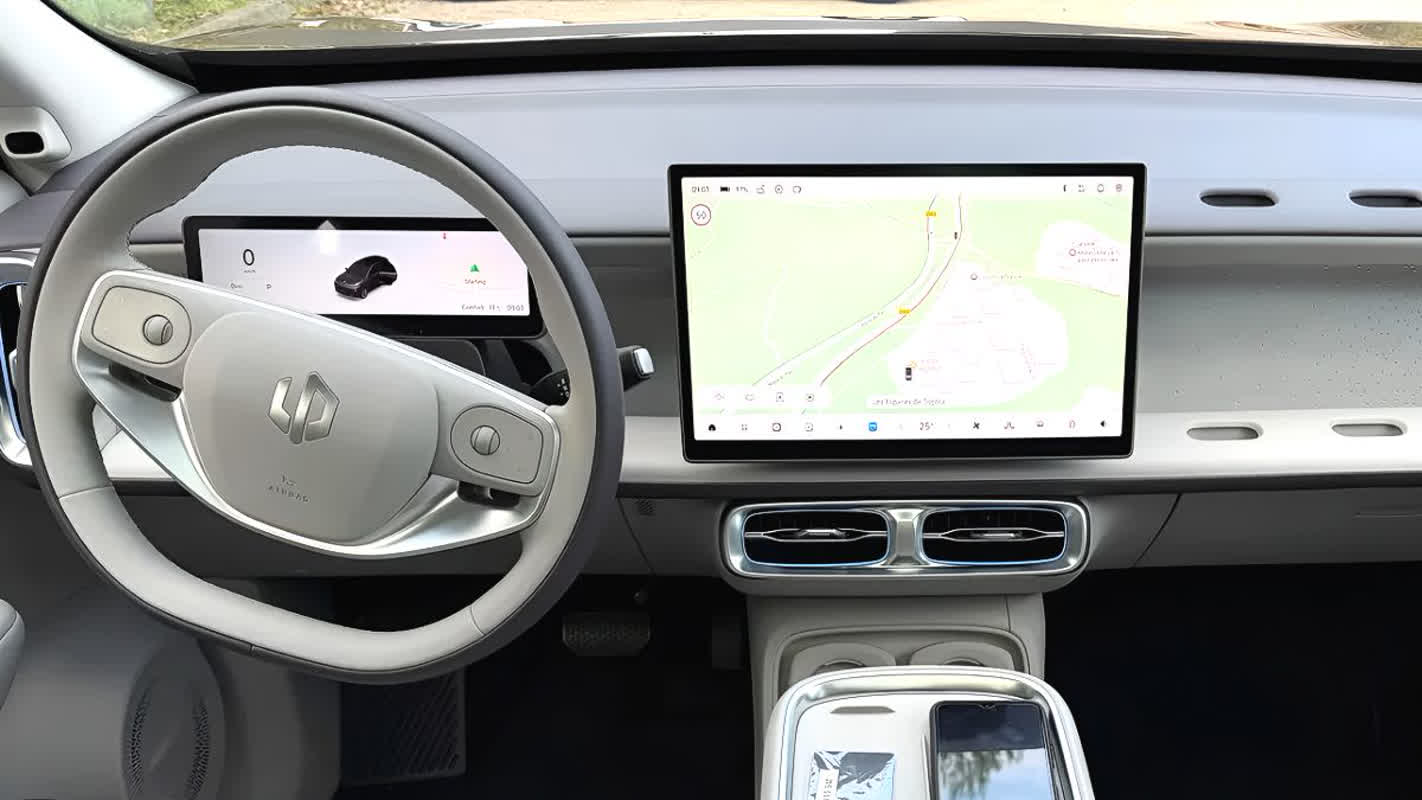
The 2 Series Active Tourer’s cabin follows BMW’s latest design language, blending digital displays, premium materials and practical touches. A 10.25-inch digital instrument cluster pairs with a 10.7-inch curved display to create a clean, readable interface. iDrive 9 supports voice, touch and dial inputs and receives over-the-air updates to keep features current.
Packaging is a strength: the Active Tourer offers class-leading wheelbase, rear legroom and headroom, comfortably seating five adults. The rear seats fold in a 40:20:40 split to accommodate varied cargo needs. Cargo capacity starts at 470 liters (about 16.6 cu ft) and expands to 1,455 liters (about 51.4 cu ft) with the rear seats folded—ample for family trips and recreational gear.
Interior materials reinforce the premium positioning, with options such as Nappa leather, aluminum trim and a panoramic sunroof. Cabin noise control rates among the best in the segment thanks to laminated glass and extended sound insulation, delivering a quiet environment even at highway speeds. Overall, the interior’s refinement translates into a consistently comfortable passenger experience.
Advanced Driver Assistance and Safety Systems
The 2 Series Active Tourer packs a broad suite of advanced driver-assistance systems (ADAS). Standard equipment includes forward-collision warning, automatic emergency braking, lane-departure prevention, blind-spot monitoring and adaptive cruise control—delivering a high level of baseline safety. The adaptive cruise system includes stop-and-go capability to reduce driver workload in heavy traffic.
Higher trims and option packages add BMW’s Driving Assistant Professional, enabling partial automation on highways and in congestion. The system supports gap keeping, automatic lane changes, intersection assistance and steering assist, boosting comfort and safety on long drives. Parking Assistant Plus adds a 360-degree camera, automatic parallel and perpendicular parking and reverse assist to simplify urban parking.
BMW reports top Euro NCAP ratings and uses high-strength steel and aluminum composite structures to optimize crash protection. As a family vehicle, the Active Tourer delivers strong occupant protection.
Fuel Economy and Environmental Performance: Efficiency Meets Sustainability
The 2 Series Active Tourer delivers competitive efficiency. Gasoline models post a combined fuel economy of 14.2 km/L (about 33.4 mpg US), offering real-world fuel savings in mixed driving. The plug-in hybrid can deliver up to about 80 km (about 50 miles) of electric driving, enabling near-zero-emission commuting when charged.
BMW equips the Active Tourer with Euro 6d–compliant engines, efficient electric motors and a sizable battery to reduce CO2 and particulate emissions. The plug-in hybrid’s WLTP combined figure equates to roughly 58.8 km/L (about 138.4 mpg US), balancing practicality and eco-friendliness. The model also qualifies for low-emission incentives such as discounted public parking and reduced congestion charges in some markets.
Driving Feel and Real-World Ratings: Clear Premium Differentiation
Drivers praise the Active Tourer for its engaging on-road behavior. Although front-wheel-drive based, BMW’s steering calibration and chassis setup deliver agility and confidence through corners. The suspension damping and body stiffness communicate road feedback effectively while keeping harsh vibrations at bay.
Owner reviews rate the Active Tourer highly across the board. As a family car it scores well for space utility, premium ambience, advanced features and fuel efficiency—often averaging above 4.7 out of 5 in owner surveys. Common highlights include cabin quietness, a driver-focused layout, intuitive infotainment and abundant storage.
Whether cruising at speed, navigating slow urban traffic or parking in tight spots, the car balances the everyday needs of family buyers and appeals as a second car or commuter vehicle.
Running Costs and Resale Value: Indicators of Long-Term Value
Running costs and resale value matter for premium buyers. BMW includes a standard 5-year/100,000 km warranty (about 62,100 miles) and extends coverage for battery and electric-motor components on the PHEV system to 8 years/160,000 km (about 99,400 miles). Labor and parts costs are reasonable compared with similar premium models, and routine service packages can reduce maintenance expenses.
Fuel costs are among the lowest in class thanks to strong efficiency. Owners who primarily drive on electric charge in the PHEV report monthly energy costs around 30,000–50,000 KRW (about $23–$38), cutting fuel bills by as much as 70% versus conventional gasoline operation. Insurance tends to be competitive thanks to strong safety ratings and driver-assist systems.
Resale value also favors the Active Tourer. Strong brand reputation and steady demand help preserve roughly 60% of the vehicle’s value after three years—outperforming many rivals and supported by consumer confidence in battery and electric-motor durability.
How It Stacks Up Against Competitors
The BMW 2 Series Active Tourer competes with the Mercedes‑Benz B‑Class and Audi A3 Sportback. It pulls ahead on driving dynamics, driver-assistance technology, interior space and option variety. BMW’s broad powertrain lineup—gasoline, diesel and plug-in hybrid—lets buyers match the car to their needs.
Reviewers note the plug-in hybrid’s electric range, performance and interior digitalization are a step ahead of many rivals. Combined with M Sport options, premium materials and extensive customization, the Active Tourer delivers a distinct premium experience. Competitors often limit options or require costly add-ons, which underscores the 2 Series Active Tourer’s comprehensive product appeal.
Connectivity and Digital Experience
As a leader in connected-car tech, the Active Tourer offers BMW ConnectedDrive, iDrive 9, OTA updates, an intelligent personal assistant and wireless Apple CarPlay and Android Auto. Real-time navigation, remote diagnostics and smartphone-based vehicle control support a modern, connected ownership experience.
OTA updates keep infotainment, driver-assist systems and powertrain software current, enhancing ownership over time. BMW positions the Active Tourer as more than transportation—it's a digital platform that adds ongoing value.
BMW 2 Series Active Tourer: A New Standard for Family Cars
The BMW 2 Series Active Tourer combines premium character, practicality, advanced tech and cost-efficiency, plus tailored options that suit a range of lifestyles. With competitive pricing and top-tier performance, safety and convenience features, it outclasses many rivals in its segment.
The plug-in hybrid variant, in particular, delivers environmental benefits, economy and capable driving performance—and could shape future trends in the family-car market. Positive owner reviews, market ratings and reliable data all point to a strong reception, and BMW is well positioned to keep the model prominent in the premium compact MPV segment.
Considering price and performance together, the 2 Series Active Tourer is an attractive choice for buyers seeking practical family transportation without giving up a premium driving experience. Its balanced package of features sets a new benchmark for the next generation of premium family cars.