President Donald Trump on the 31st (local time) sharply criticized Britain, France and other nations for refusing U.S. requests to dispatch warships to the Strait of Hormuz, saying they should sail there and simply seize the oil.
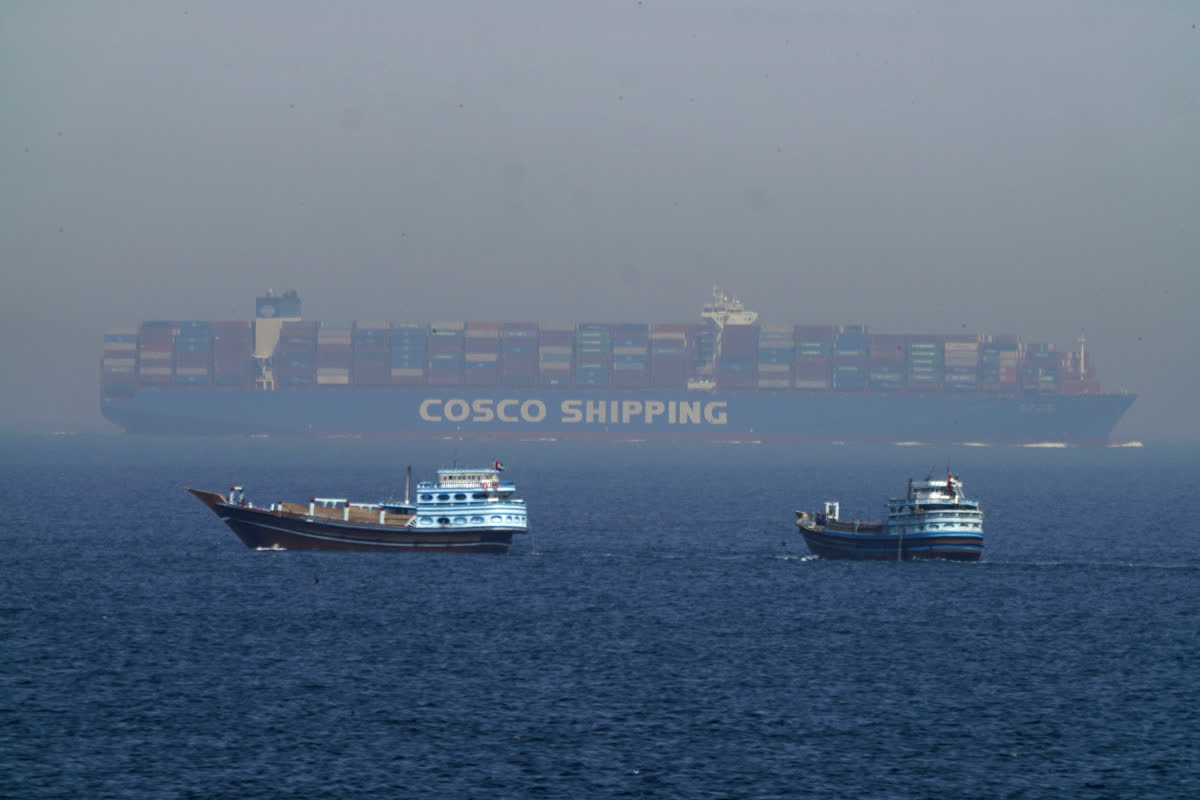
In a post on his social platform Truth Social, he singled out countries struggling to secure jet fuel because the strait has effectively been blocked.
He specifically pointed to countries like Britain — which he said declined to join past operations to remove Iran's leadership — and offered two options.
First: "Buy it from the United States — we have plenty," he wrote.
Second: "If you can find the courage, go to the Strait of Hormuz and take it," he urged.
Trump argued that allies must learn to defend themselves.
"You need to start learning to fight on your own," he warned, adding that just as they were not there for the United States in the past, the United States would no longer be there to assist them.
He also contended that Iran had been effectively devastated and that the hardest part was over, so countries should go secure their own oil.
In a separate post, he leveled criticism at France.
Trump accused France of attempting to block flights carrying military supplies to Israel from transiting French airspace.
He added that France provided no help concerning the Iranian "butcher" who had been "successfully taken out," and vowed the United States would remember that.
The Trump administration has repeatedly pressed allies to take an active role in reopening the Strait of Hormuz. But his public frustration with partners unwilling to take direct action has prompted some commentators to question NATO's future role in post-conflict security cooperation between the U.S. and Europe.
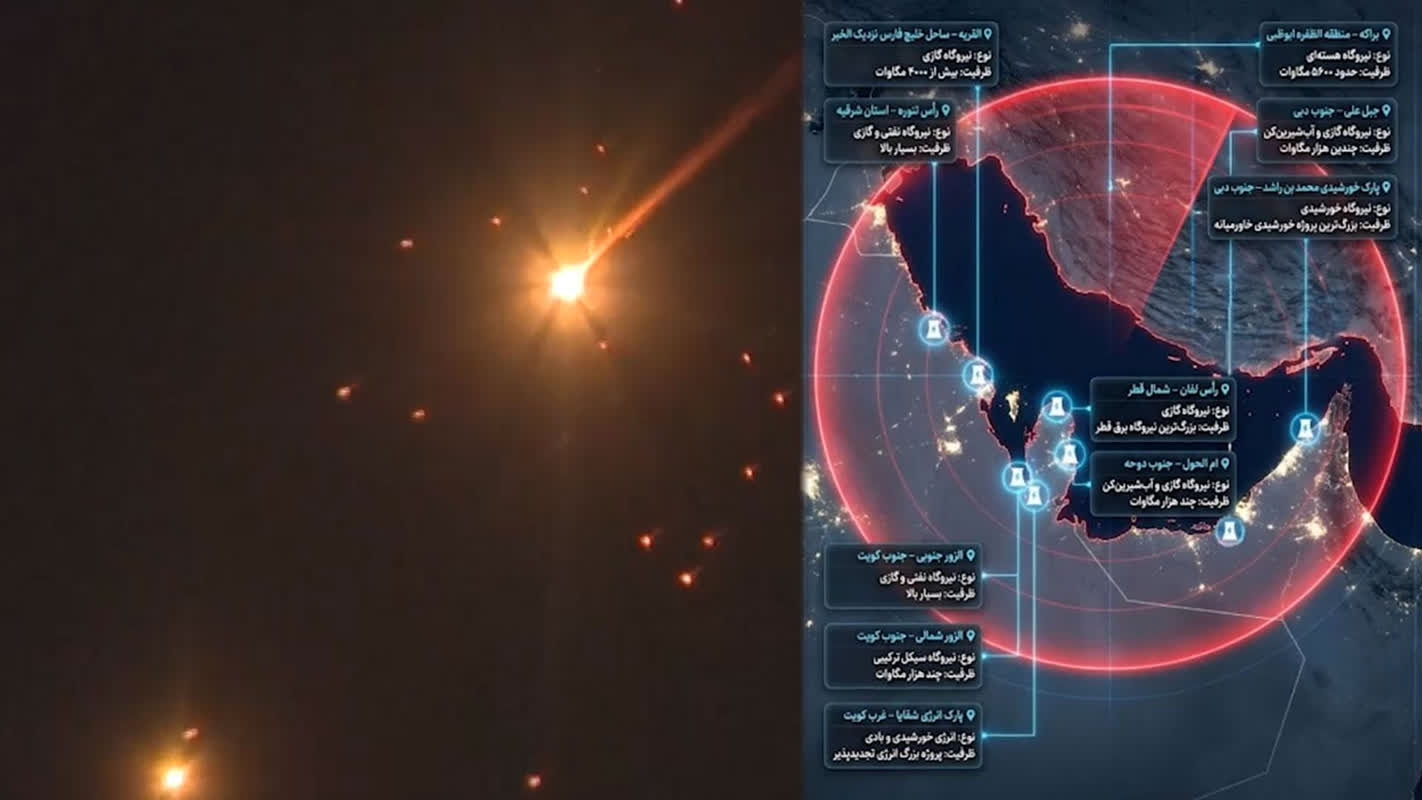
On the 30th, Trump threatened to completely destroy Harg Island and power facilities if Iran did not immediately reopen the strait.
"If an agreement doesn't come quickly, I will deliberately blow up and raze untouched power plants, oil fields, Harg Island and desalination facilities," he warned.
He framed such strikes as retaliation for the deaths of numerous U.S. service members and others, which he attributed to 47 years of terror under Iran's previous regime.
But other reporting presented a different picture.
The Wall Street Journal reported the same day that Trump told aides he would be willing to end military operations against Iran even if the Strait of Hormuz remained effectively closed, arguing that extending a campaign beyond the planned 4–6 weeks to reopen the waterway would simply prolong the war. He said he would pressure European and Gulf partners to lead reopening efforts if attempts to restore free trade failed.
Suzanne Maloney, deputy director at the Brookings Institution, called ending military operations before the strait reopens "incredibly irresponsible." She warned that because the United States and Israel initiated the conflict, they cannot escape its consequences, and that a continued closure of the strait would sharply worsen economic damage. U.S. experts warned that Trump could posture aggressively and then ultimately back down — a pattern some commentators have labeled "TACO" behavior.
Esmail Baghaei, a spokesman for Iran's foreign ministry, told his weekly press briefing that Iran has not negotiated directly with the United States. He said Tehran had only received messages through intermediaries indicating the U.S. wanted talks and that Iran was discussing those messages, denying any direct negotiations.
Get your daily personal horoscope report! How will your day go?