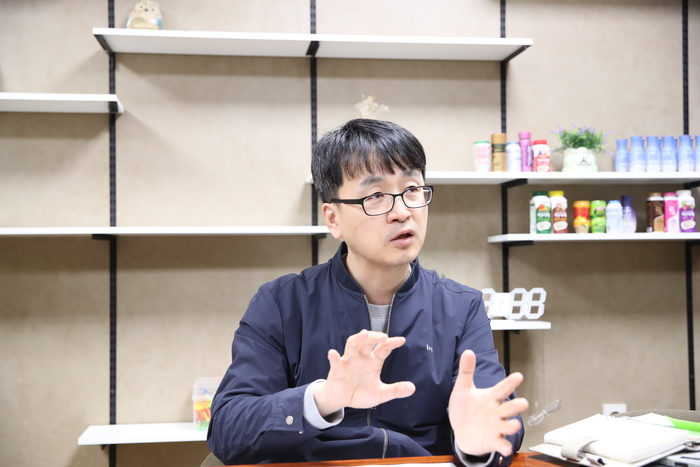
[Sports Seoul | Reporter Won Seong-yun] The global K-food wave has shifted focus from kimchi and barbecue to the science behind them: fermentation and microbes. This year marks the 50th anniversary of hy’s (formerly Korea Yakult) Central Research Institute — the lab that helped shape Korea’s approach to gut health. To find out how hy is evolving from a fermented-milk maker into a global B2B ingredient company and CDMO platform, we talked with Kim Yong-tae, head of the Probiotics Team, and Yang Jun-ho, head of Research Planning.
◇ Half a century of persistence that broke the “Why buy bacteria?” stigma
Back in the 1970s, when food companies rarely had labs, hy became the first in the industry to found a company-run research institute. Kim recalls the early skepticism: consumers genuinely asked, “Why would we pay to eat bacteria?” Undeterred, the institute focused on rigorous science, including commercializing Bifidobacterium strains isolated from Koreans.
That research gave rise to a new product category — functional fermented milk — with brands designed for more than digestion, like “Will” for stomach support and “Coopers” for liver health. By domesticating probiotic strains that had to be imported, hy transformed a basic food lab into a cutting-edge bioscience hub.
◇ Opening its doors to competitors: shifting to a B2B platform on the road to a global CDMO
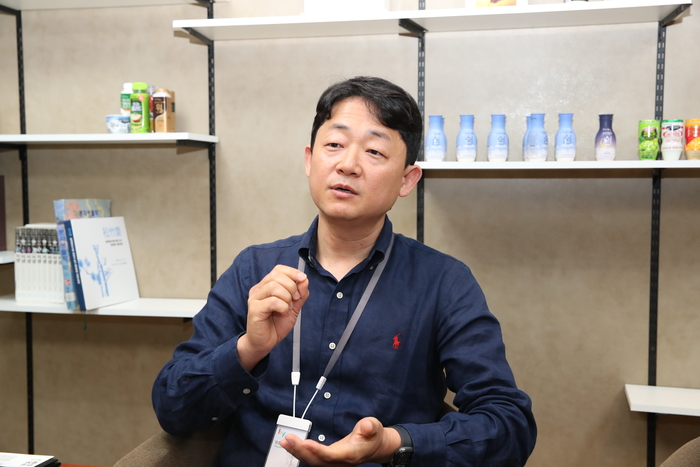
The boldest move lately: hy is no longer just making its own products. It’s selling functional strains to competitors, positioning itself as a B2B ingredient supplier. Yang says the shift was strategic — aimed at overcoming the size limits of Korea’s functional-food market and staying ahead of fast-changing trends. By licensing top strains to multiple companies, hy hopes to widen the market and cut dependence on imported strains.
To support that vision, hy has invested heavily in infrastructure. After launching Plant 1 in Pyeongtaek, it recently opened a large Plant 2 in Nonsan, Chungnam. Both plants are running at high capacity, and growing global demand has hy considering further expansion. Yang outlines a one-stop model that covers raw-material development through semi-finished and finished production to logistics — a full CDMO blueprint for global scale.
◇ Beyond digestion—science of the 'Gut-Organ Axis'
Hy’s view of probiotics goes far beyond gut comfort. Building on the hot academic concept of the Gut-Organ Axis, the institute is mapping how microbes influence whole-body health.
“About 70% of immune cells live in the gut,” Kim points out. “So the gut is more than a digestive organ — it’s a frontline immune system.” Research shows that microbial imbalances can affect the brain via the bloodstream, potentially influencing conditions from autism spectrum disorders to Alzheimer’s, while also impacting skin health and muscle repair. Hy is actively identifying and commercializing strains that target body-fat reduction, skin health, stress relief, and cognitive support.
◇ Limitless scalability: 'postbiotics' and HYBE-led K-ingredients
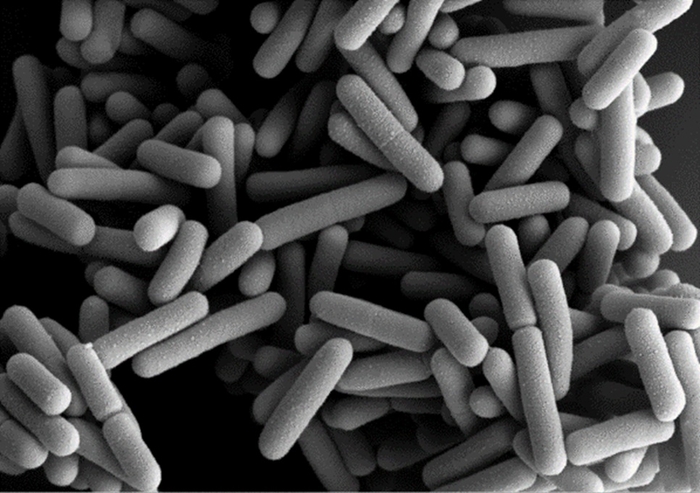
Hy is pushing formulation innovation and ingredient fusion to win overseas markets, with a special eye on postbiotics — inactivated cells and their metabolites that sidestep the limitations of live cultures. “Live strains need strict temperature and formulation controls,” Kim explains. “Postbiotics keep their function after heat treatment, so they work in shelf-stable drinks and even in cooked foods.” That makes them hugely versatile.
Hy also blends Korea’s traditional fermentation know-how into HYBE-led ingredient development. Examples include fermented red ginseng — lactic-acid-bacteria–processed ginseng with more consistent efficacy across users — and fermented deer antler aimed at muscle-strength support. Hy believes this layered fermentation approach, still novel in Western markets, can be a distinctive K-food advantage worldwide.
To clear tough global regulatory hurdles, hy leans on robust data. “Success abroad ultimately depends on proving both efficacy and safety,” Yang says. He adds that hy’s clinical datasets are comprehensive and on par with global peers, enabling the company to secure U.S. FDA recognitions such as NDI (New Dietary Ingredient) and GRAS status.
◇ In the 'Slowing-Aging' era, moving toward ultra-personalized solutions

As populations age, interest is shifting from curing disease to extending healthy, vibrant years — what experts call “Slowing-Aging.” Both leaders predict the near arrival of ultra-personalized probiotics tailored to each person’s microbiome. Just as clinical benchmarks like blood-pressure ranges emerged from massive datasets, the microbiome field is moving through a data-building phase that will enable personalized standards.
For 50 years, hy has been part of Koreans’ morning routines. Now the company is stepping out of the “digestive aid” box and preparing to become a global microbiome leader that helps design core human immunity and long-term health. It’s easy to imagine strains discovered in Korea and hy’s fermentation expertise becoming a K-brand promise for healthy longevity around the world. socool@sportsseoul.com