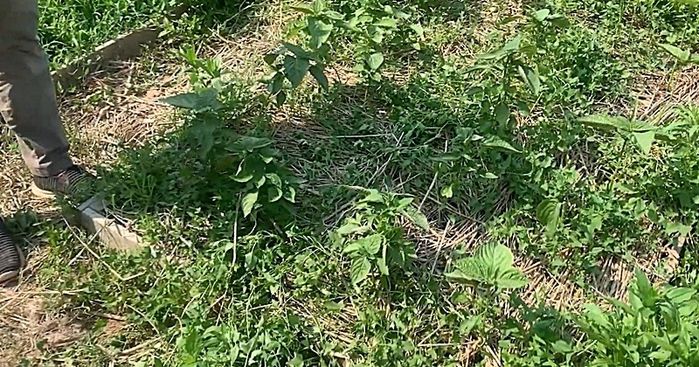
Perilla leaves—the glossy greens Koreans use to wrap bites of meat—are suddenly getting VIP treatment overseas. While they’re a cheap, everyday staple in Korea, their reputation shifts the moment they cross the Pacific. In some places they only show up in specialty Asian markets, and at high-end restaurants they’re treated like a rare, elevated ingredient.
What thrills chefs and food lovers is perilla’s one-of-a-kind aroma. Unlike basil or mint, it has a peppery, slightly citrusy edge that brightens fatty meat dishes and creates effortless harmony with fermented flavors.
In cutting-edge fusion spots in New York and Paris, chefs are branding it as a “Korean herb,” remixing it into everything from pesto to sandwich spreads—proof that it’s as versatile as it is distinctive.
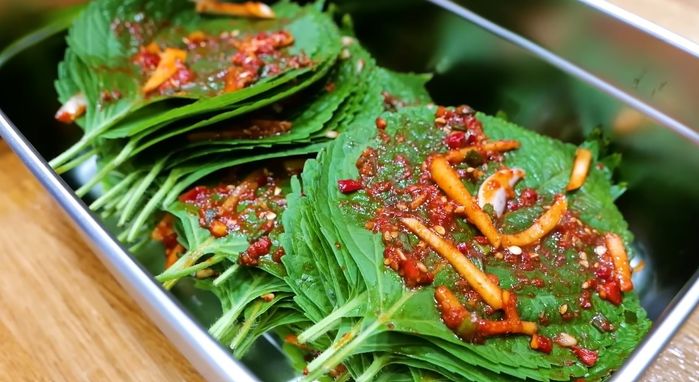
Part of perilla’s newfound rarity abroad comes down to logistics. The leaf’s freshness is everything, and long-distance shipping is tricky. In regions without Korea’s controlled-temperature, humidity-regulated, large-scale cultivation, production stays limited. When demand surges—fueled by the global fascination with Korean ssam (wrap) culture—prices climb and perilla becomes a coveted item.
Its nutrition profile helps, too. Packed with vitamins A and C, calcium and iron, and loaded with antioxidants, perilla has earned a place on health-focused shoppers’ lists in the West. The scent can be unfamiliar at first, but many say it’s addictively unique—so much so that more and more enthusiasts are ordering seeds to grow their own.
Once so commonplace we barely noticed it, perilla is now stepping into the spotlight as a K-food star. No longer just a supporting actor for grilled meat, it’s reshaping the global flavor map and reminding us what a cultural treasure our everyday ingredients can be. The next time a perilla leaf lands on your plate, think about someone else across the globe who might be dreaming of that single luxe herb—suddenly that familiar bite feels a bit more special.