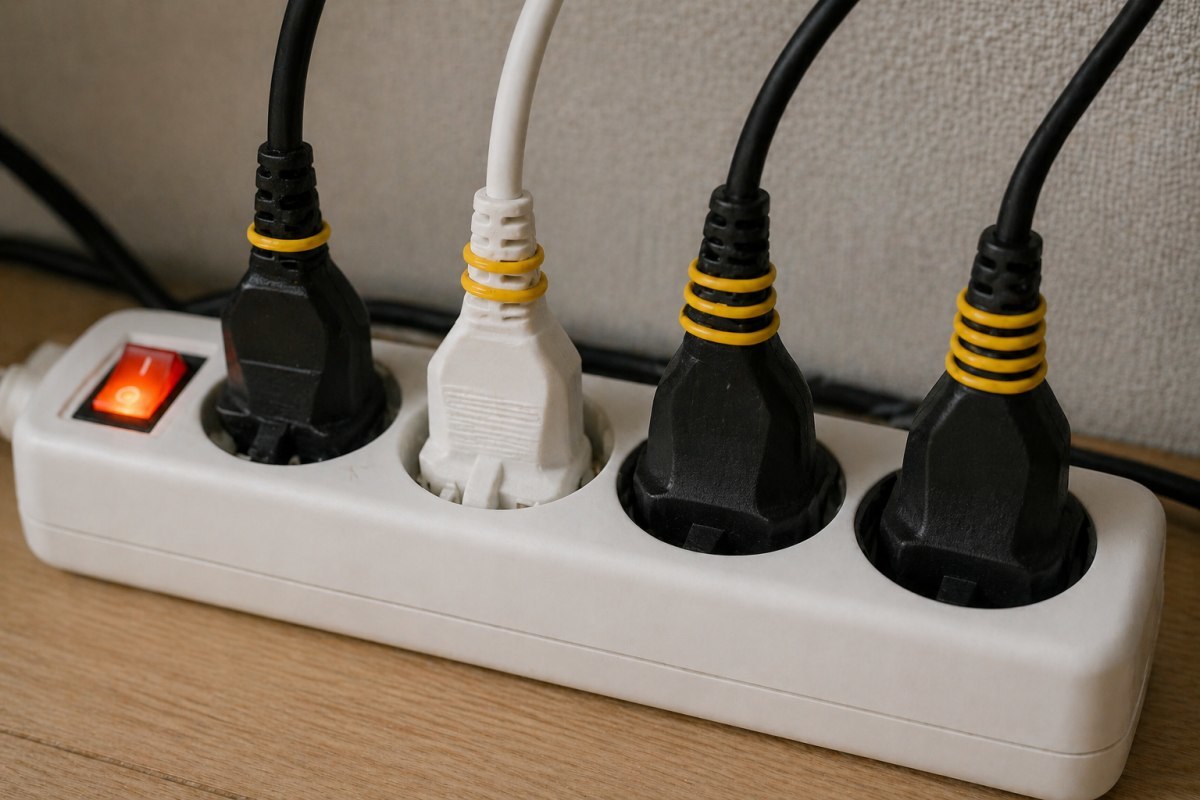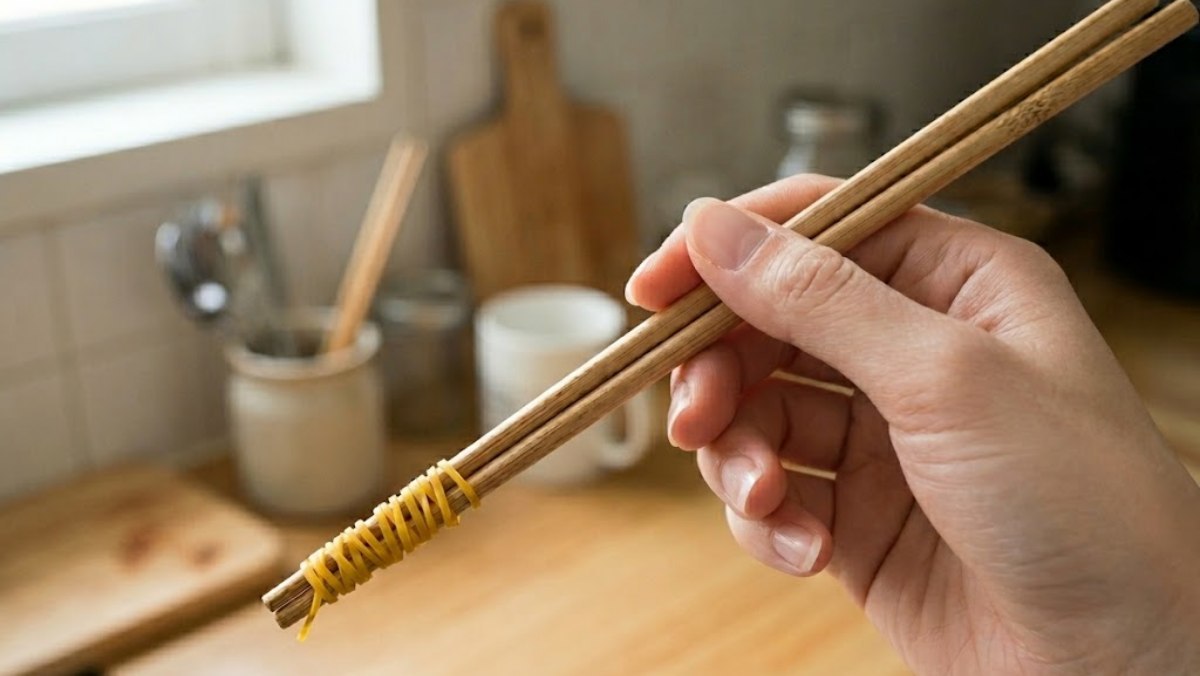
When you order delivery, a bundle of wooden chopsticks almost always arrives with a yellow rubber band, and groceries often come with a yellow band cinching the bag closed. If you’ve been tossing those bands into the trash without a second thought, reconsider. These small, ordinary rubber bands can quietly solve many household annoyances.
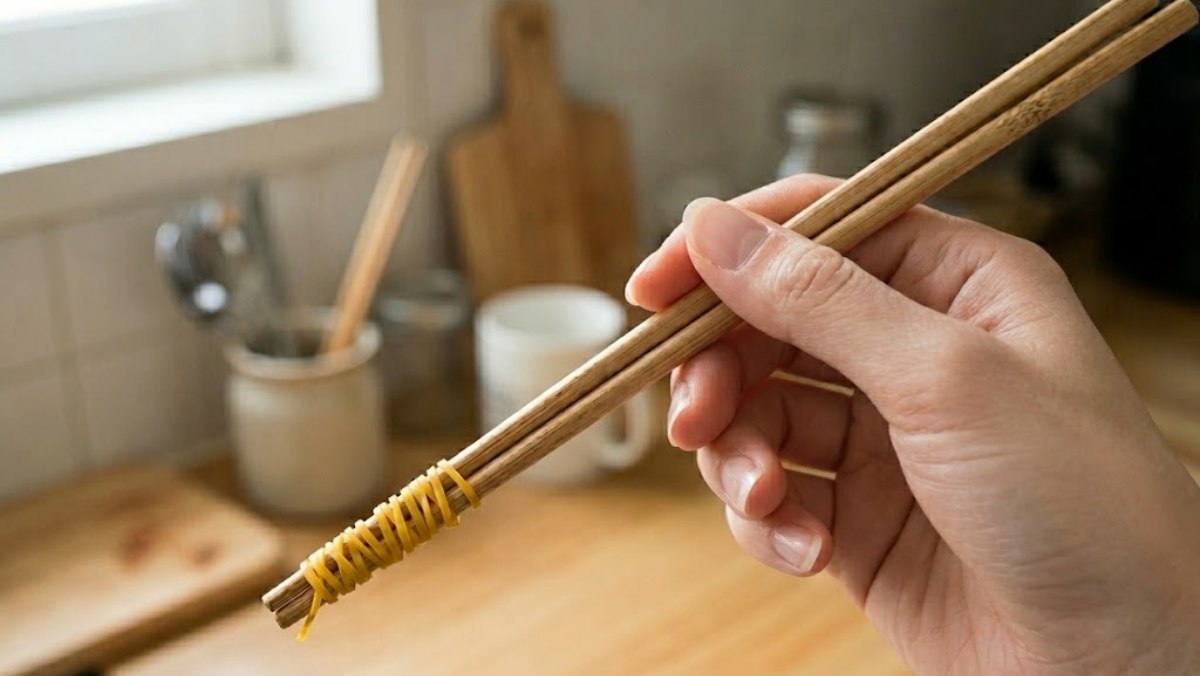
From preventing greasy buildup in the kitchen to reclaiming dead space in your closet, and even helping maintain bathroom hygiene, the humble yellow rubber band has more uses than you might expect.
If you’ve been storing them under the assumption you’ll “use them someday,” now is the time to put them to work around the house.
These simple hacks—covering kitchen hygiene, smarter closet storage and safer handling of digital devices—can make everyday life both more efficient and a little more pleasant.
Deep-clean remotes and keyboards
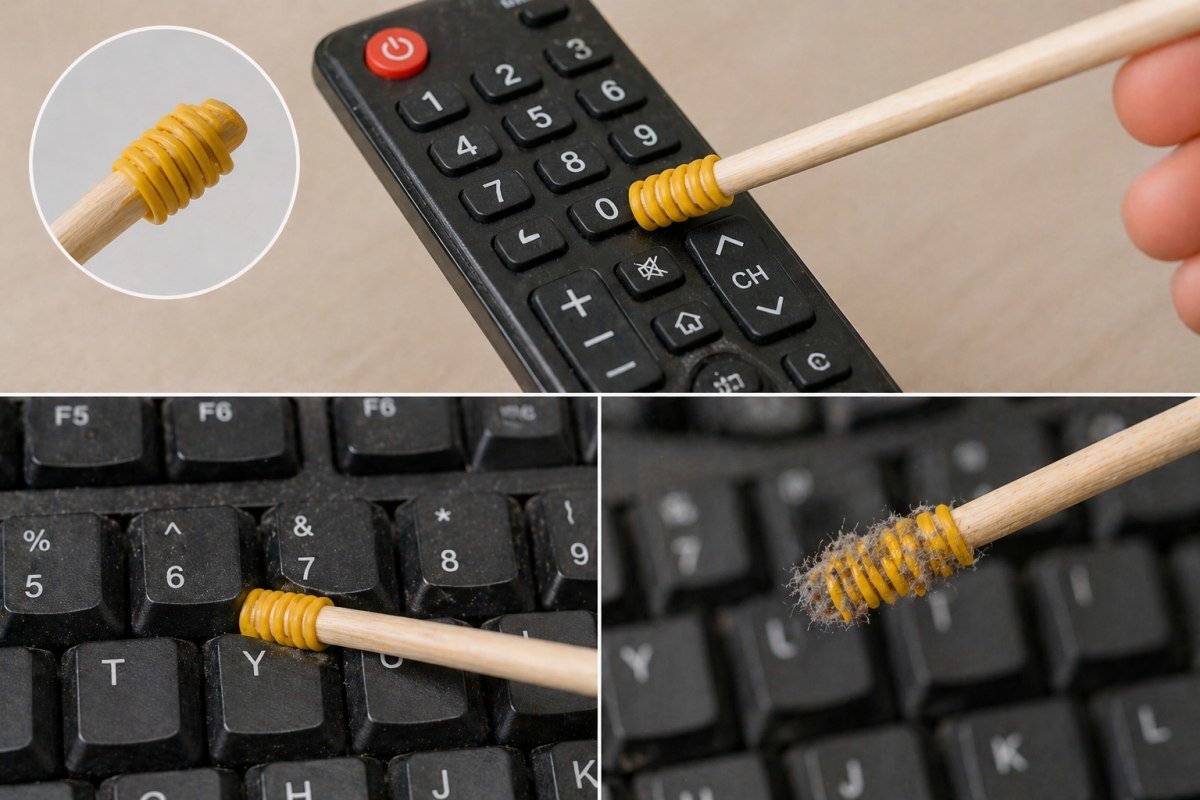
Because the rubber stretches to conform to curved grooves, it pulls contaminants out instead of pushing them further inside. That simple action helps prevent device malfunctions and contact problems.
Bathroom uses

That extra airflow helps the soap dry between uses, slowing waste and keeping your sink area cleaner.
They work on drains as well. Hair and soap scum often clog pipes, and many store-bought strainers have holes too large to catch thin hairs.
Stretch four to six bands across the strainer in a grid pattern to create an effective secondary filter.
Rubber tends to grip wet hair instead of letting it slide, so a band grid catches strands while still letting water flow. That prevents hair from reaching deep into the plumbing and cutting down on odors.
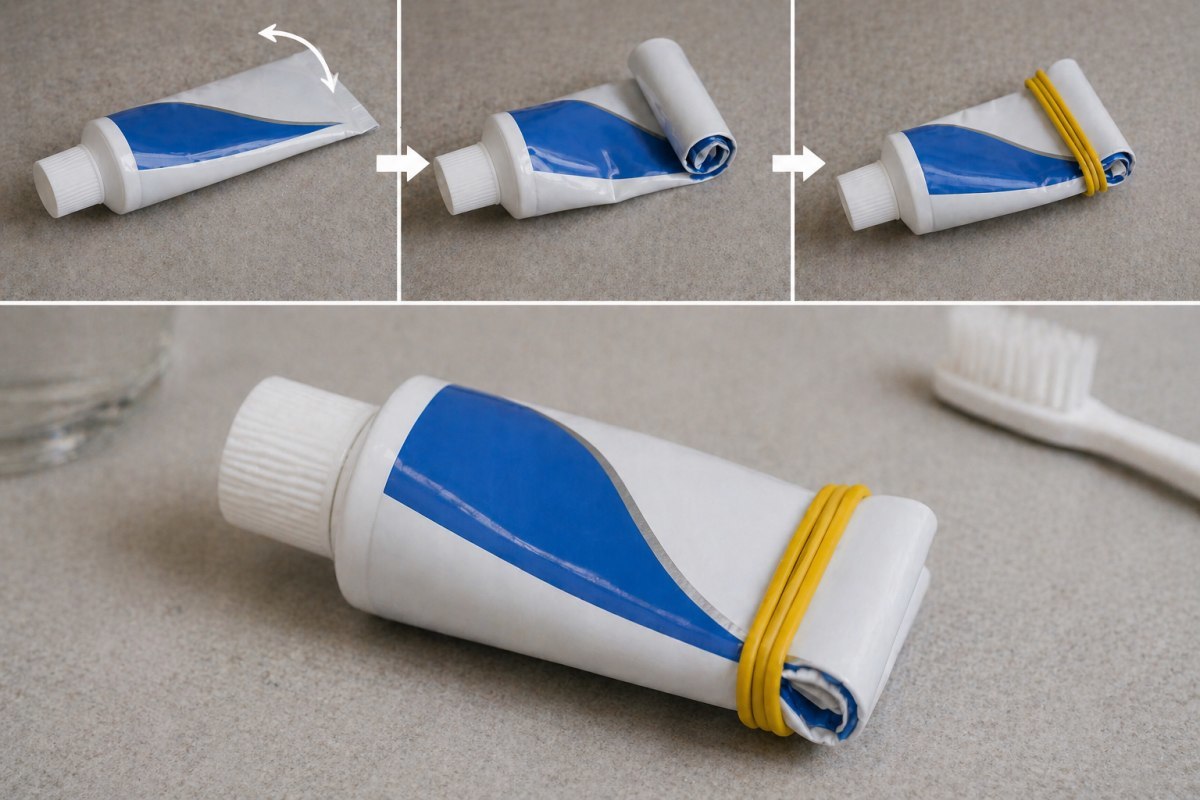
The band’s elasticity holds the roll in place and prevents the product from slipping back into the empty end. It’s an easy way to get the last bit out without a dedicated tube squeezer.
Kitchen uses
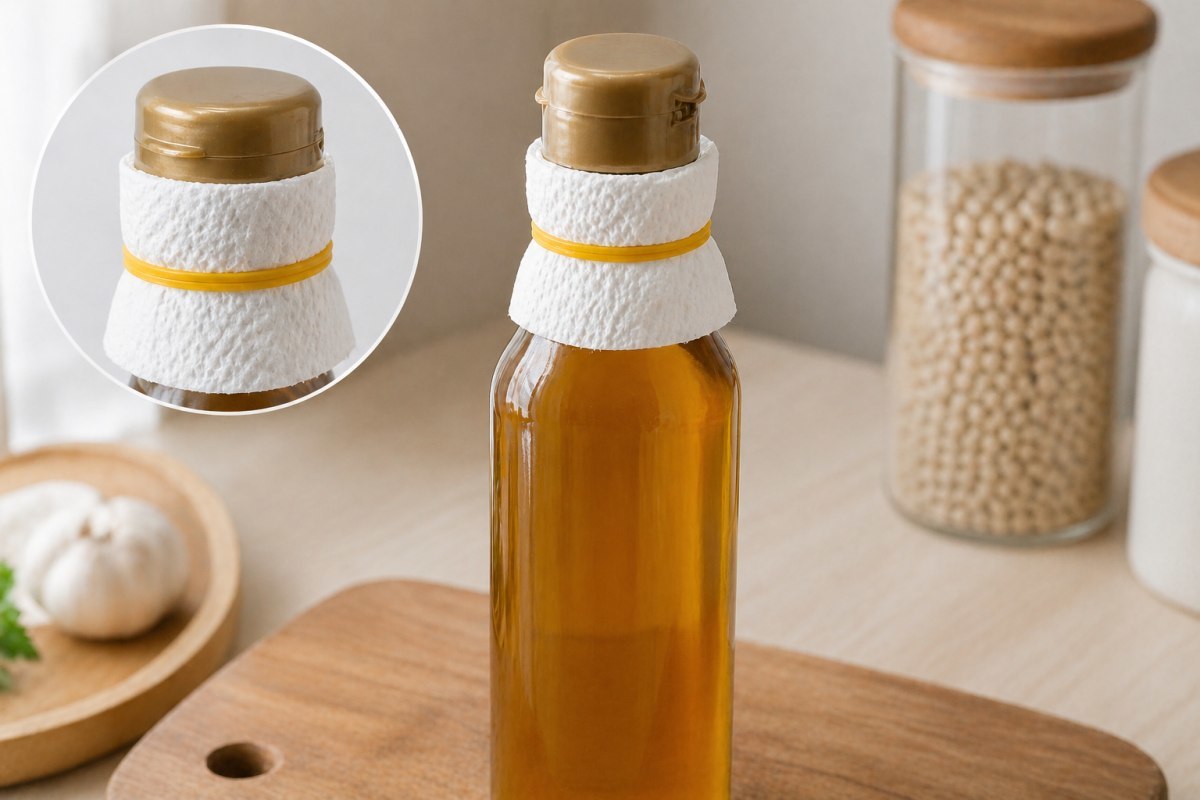
Wrap the bottle neck with a folded paper towel and secure it with a band to form an “oil fence.”
The towel absorbs runoff before it reaches surfaces. The band keeps the towel in place; swap the soiled towel regularly and you can keep the bottle area clean without repeatedly washing the entire container.
Clothing hacks
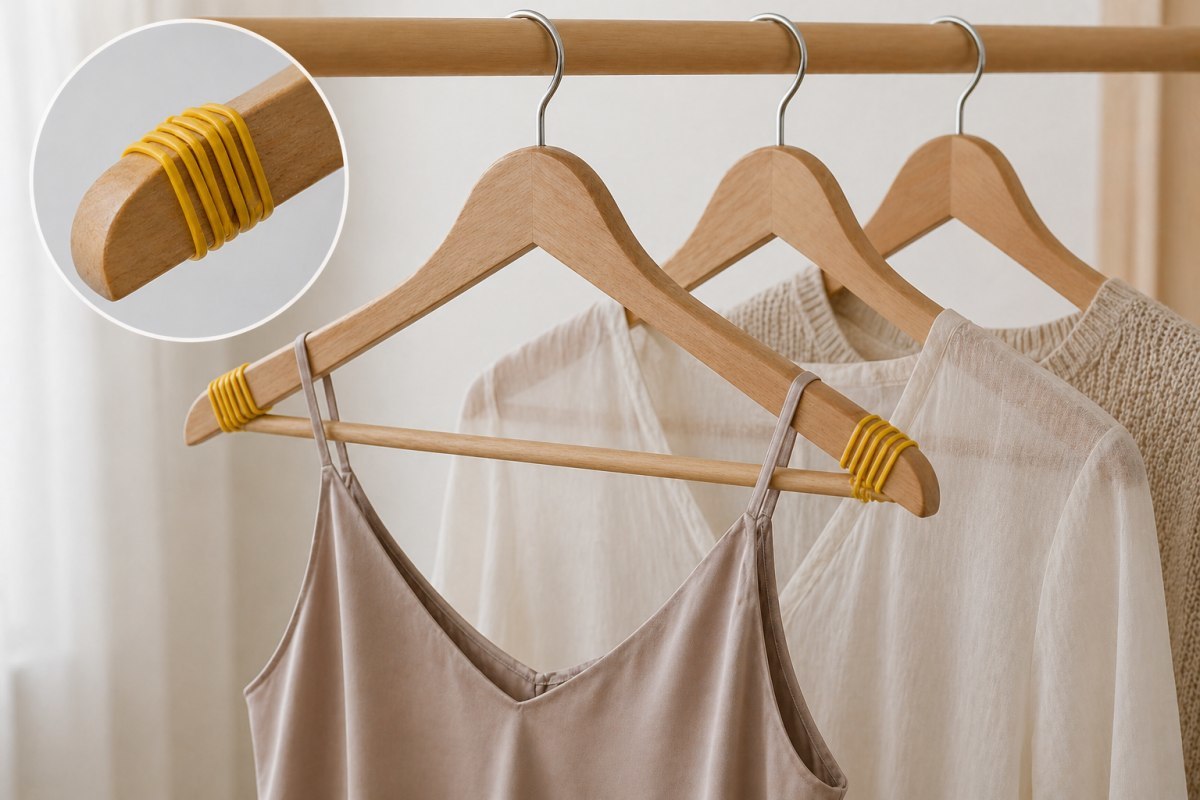
This produces the same non-slip effect as pricier specialty hangers. For wide-necked sweaters, the bands support the shoulders and help prevent stretching or misshaping.
Bands can also be a quick fix when pants won’t button after sudden weight change or bloating. Thread a band through the buttonhole, loop it twice around the button, and secure it.
That elastic substitute softens the rigid hold of a metal button and provides about 2–3 cm (roughly 0.8–1.2 inches) of extra room. When covered by a shirt, it’s discreet and more comfortable because it doesn’t press on the stomach.
You can use bands for storage, too. Jeans take up a lot of space, and stacked folds tend to collapse when you pull items from the bottom. Fold jeans in half lengthwise and roll tightly from the bottom up.
Secure the ends or the center with a band to compress the air between layers, saving well over 50 percent of storage space compared with traditional folding. The band’s elasticity counters denim’s stiffness, keeping the roll intact and making it easy to pull out the pair you want.
Remove hair and pet fur
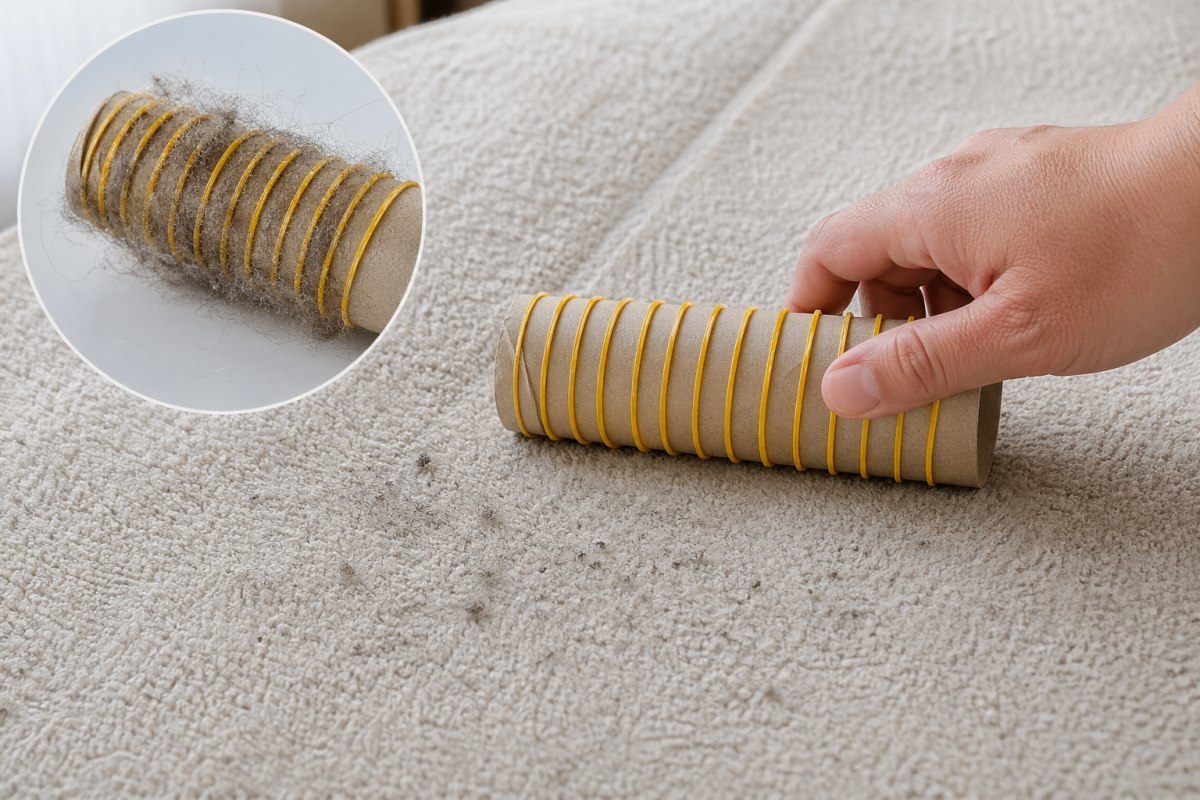
Rub it over carpets or blankets; the friction between rubber and fabric generates static and causes debris to cling to the bands. The bands’ elasticity also briefly opens fibers, helping lift deeply embedded dust.
Organize digital cables