Why the late Lee Kun‑hee’s remarks still resonate
In an era of rapid change, impatience grows. People chasing money, measurable results and endless competition often lose sight of what matters most. Certain remarks keep coming back into the conversation — notably those from the late Lee Kun‑hee. They aren’t mere how‑to guides to success; they offer a panoramic view of life, which explains their enduring appeal.
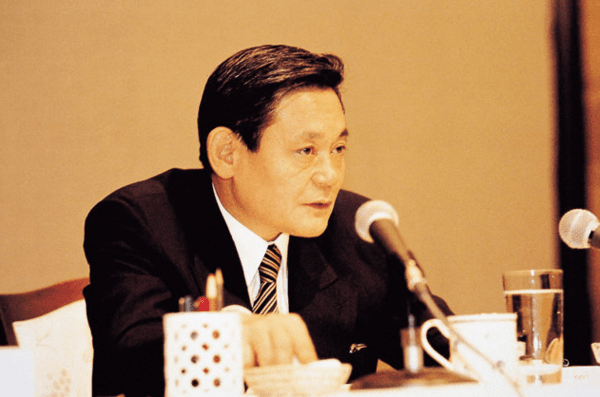
You’ll regret chasing money if you lose your health.
When you’re young, your body often lets you get away with neglect. But health, once compromised, can be far harder to reclaim than the money you might have earned.
Neglecting sleep, skipping meals and ignoring stress in a busy life eventually forces the body to flash warning signs.
This explains why more people — as they age — say “health comes before money.”
“People often say you regret most when you’re sick — and it’s not an empty line.”
That’s true: many only grasp the value of health after it’s gone.
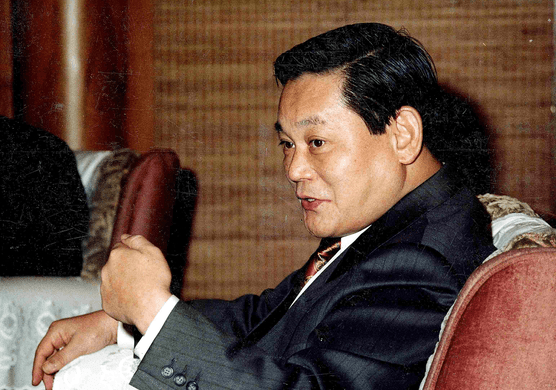
Stop learning and you start falling behind.
The world keeps changing. If you stop learning, you may appear to stand still, but you’re actually losing ground.
Learning isn’t limited to classroom lessons. It includes how you relate to people, adapt to new trends and pick up even small practical skills.
And with age, the moment you think “this is enough,” your thinking tends to harden.
“That’s why people talk about lifelong learning.”
Indeed. Those who keep learning tend to endure.
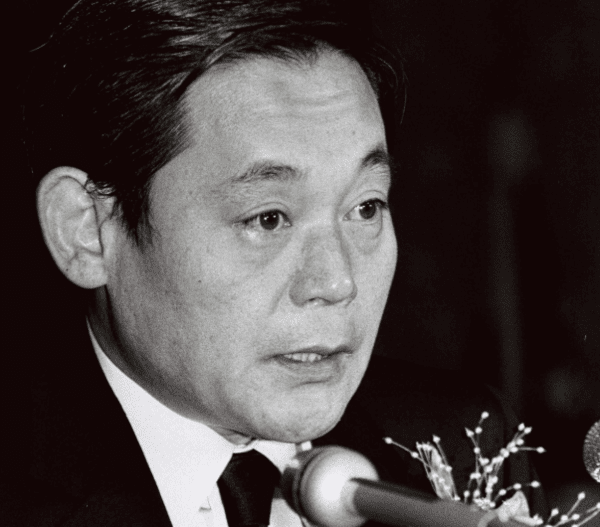
If you only chase results and ignore people, you’ll regret it.
Focusing solely on performance makes it easy to treat colleagues and collaborators like numbers. But it’s relationships that endure over time.
When you start losing the people around you, success can feel hollow.
Remembering those who shared the struggle with you is the attitude that lasts longest.
“So it comes down to people, after all.”
Exactly. In the end, what remains for most of us are the people in our lives.
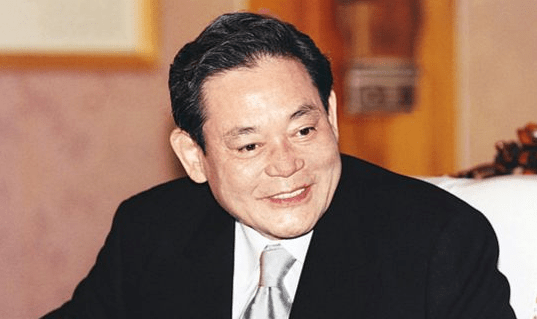
The most pitiful are those who work so much they never live their lives.
Many defer the present for a future that never fully arrives — postponing travel, hobbies and rest indefinitely.
When the years pass, people often realize they have few memories of actually enjoying life.
That’s why someone can earn a lot yet still feel empty inside.
“That really hits home.”
Right. Work should be a part of life, not its whole.
The common theme is balance.
Health, learning, relationships and a lived life — obsessing over any one of these at the expense of the others can make everything collapse.
The larger point is that a balanced, sustainable life matters more than short‑term triumphs.
Those remarks keep circulating because they mirror everyday reality so closely.
They still resonate today.
Indeed. Times change, but the fundamentals of human life remain remarkably constant.