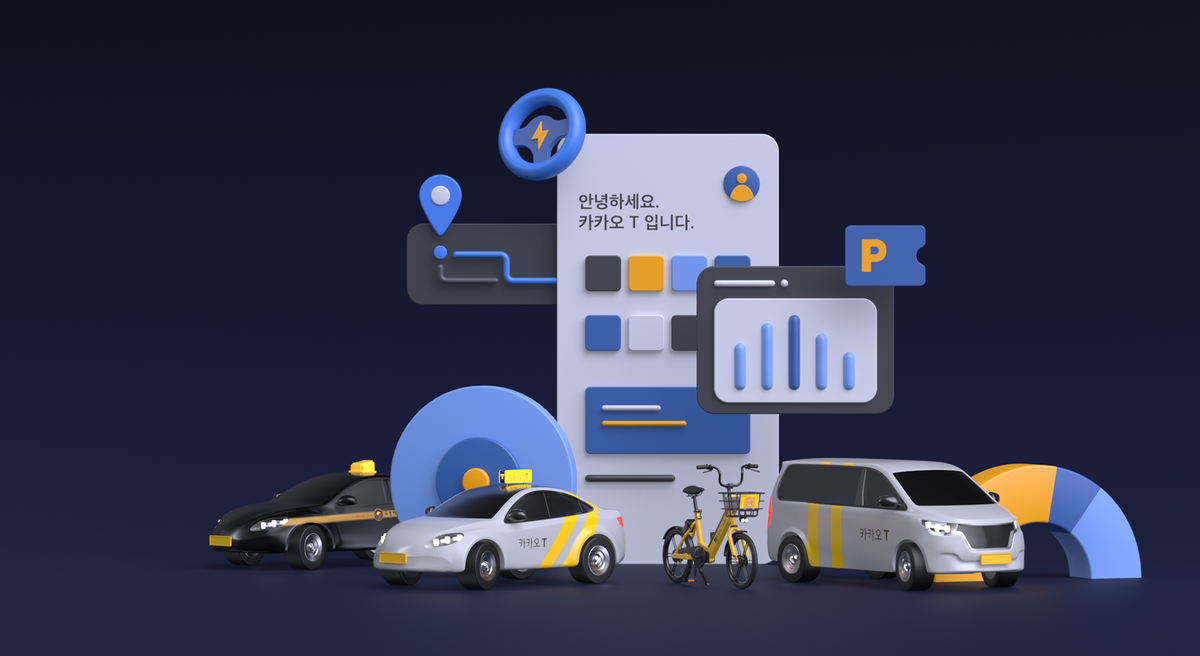
'Kakao T' leverages a decade of mobility data to sharpen its technology
Secures essential on-the-ground data for unpredictable city streets
Internalizes core autonomous-driving capabilities like spatial awareness and route prediction
Building spatial infrastructure to prepare for autonomous and robotic services
Accelerates hiring — expanding to global specialists
Secures essential on-the-ground data for unpredictable city streets
Internalizes core autonomous-driving capabilities like spatial awareness and route prediction
Building spatial infrastructure to prepare for autonomous and robotic services
Accelerates hiring — expanding to global specialists
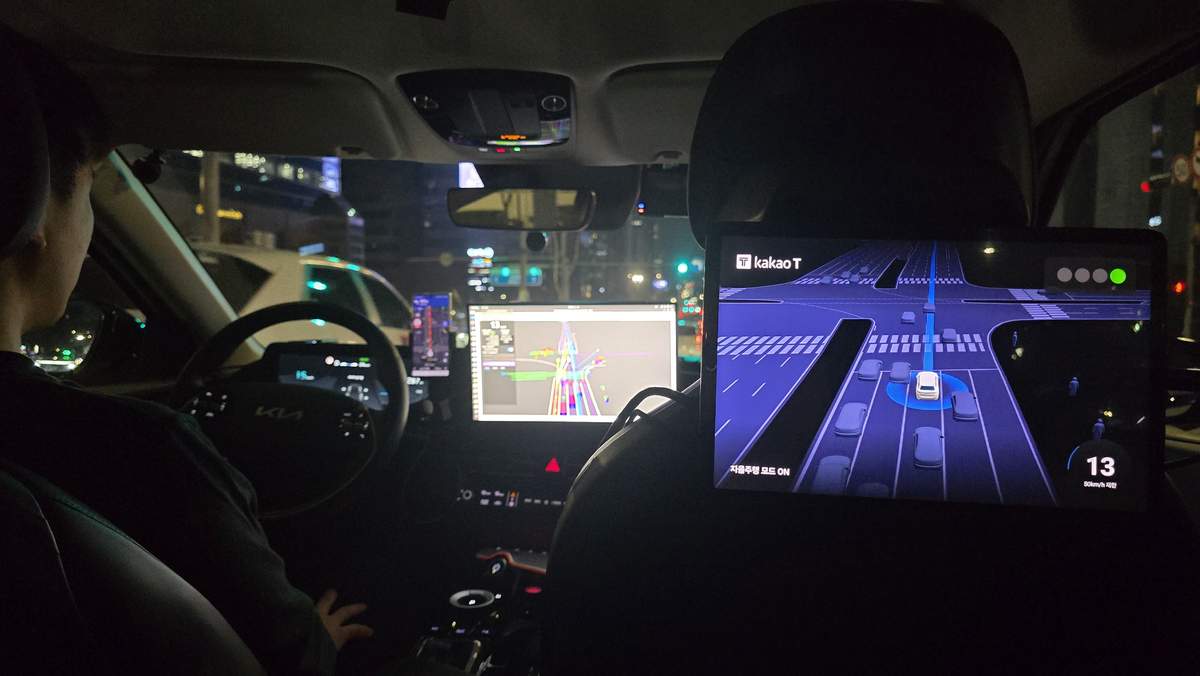
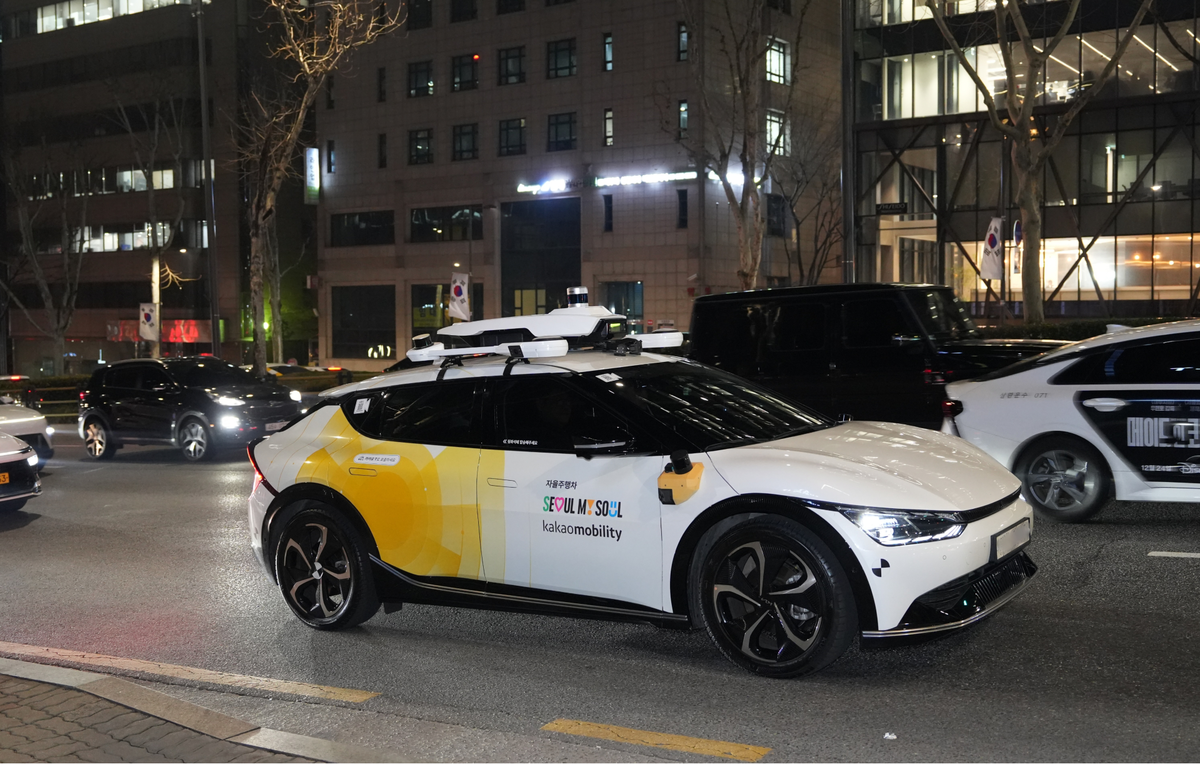
Building the data backbone for physical AI: years of on-road experience
The central challenge for physical AI is translating physical reality into the digital signals an AI can rely on. City streets are full of sudden variables — changing weather, jaywalking pedestrians, illegally parked vehicles in narrow alleys — and an AI must learn from extensive real-world data to respond with human-like flexibility. As South Korea’s leading ride-hailing platform with more than 38 million users, Kakao Mobility has been collecting this movement data every day. Field-level records — veteran taxi drivers’ route know-how, the chaotic side-street conditions designated drivers face late at night, and navigation guidance logs — give Kakao Mobility a proprietary dataset that even global big tech firms would struggle to replicate.
Kim Min-seon, head of Kakao Mobility’s Autonomous Driving Business Team, said, “We didn’t stop at operating services. We’ve converted vast volumes of demand, supply and traffic-flow information into digital datasets that AI can learn from. Our taxi and designated-driver operations are valuable services and, at the same time, form a massive data pipeline for refining autonomous driving intelligence.”
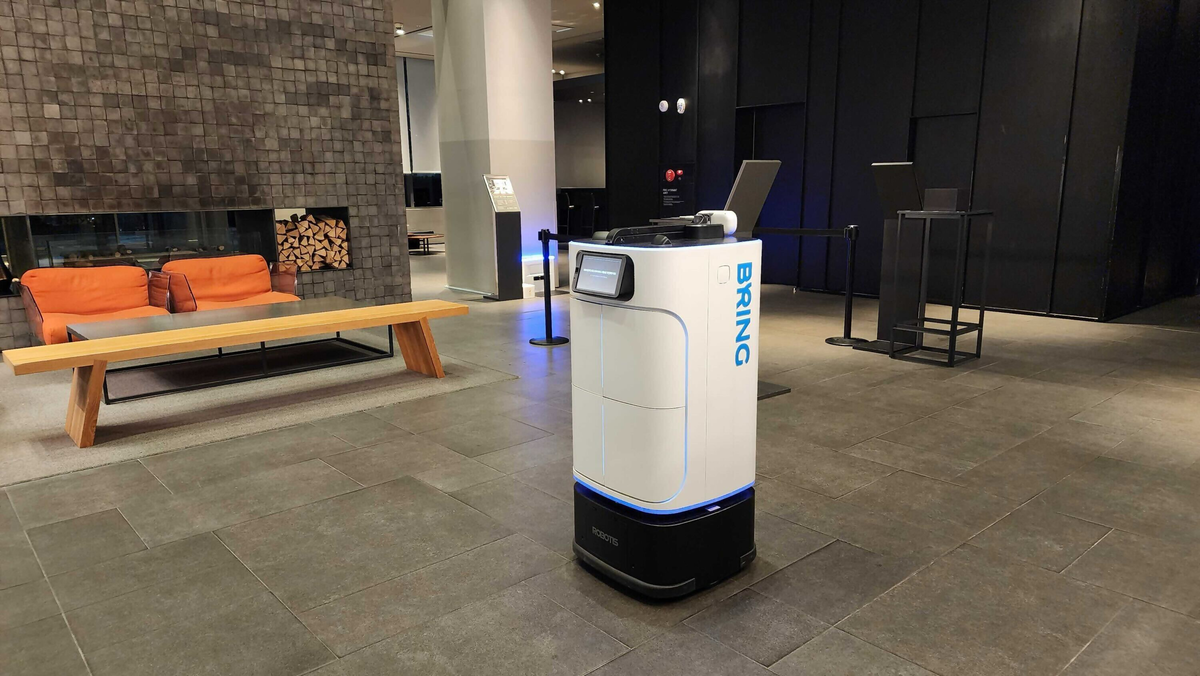
'Spatial intelligence' honed over years becomes the autonomous vehicle’s eyes and brain
For the autonomous driving segment Kakao Mobility is targeting, ultra-precise positioning and spatial awareness are essential. To operate on public roads without human intervention, a vehicle must have systems that effectively replace human sight and judgment. Kakao Mobility moved early: after acquiring the local navigation app KimGisa in 2015 and converting it into Kakao Navi, the company internalized core mapping and navigation technologies years ahead of global mobility firms that relied on third-party map data. It has steadily refined big-data–driven map-matching, a technique that probabilistically corrects a vehicle’s location. That capability helps maintain high coordinate accuracy even in urban “shadow zones” where GPS frequently drops out — among skyscrapers, in tunnels and underpasses. In 2020, Kakao Mobility commercialized the world’s first LTE-based indoor positioning system and introduced a “multi-origin route search” feature that monitors millions of taxis in real time to predict the fastest-arriving vehicle.
Industry analysts say these ultra-precise positioning technologies and path-prediction algorithms will form a robust foundation of spatial intelligence, enabling autonomous vehicles and delivery robots to reach destinations with minimal error and to continuously optimize routes in real time. Lee Sung-woo, head of spatial information planning, said, “The ability to pinpoint positions accurately in complex environments will act like sensory organs, letting autonomous cars and robots navigate cities smoothly.”
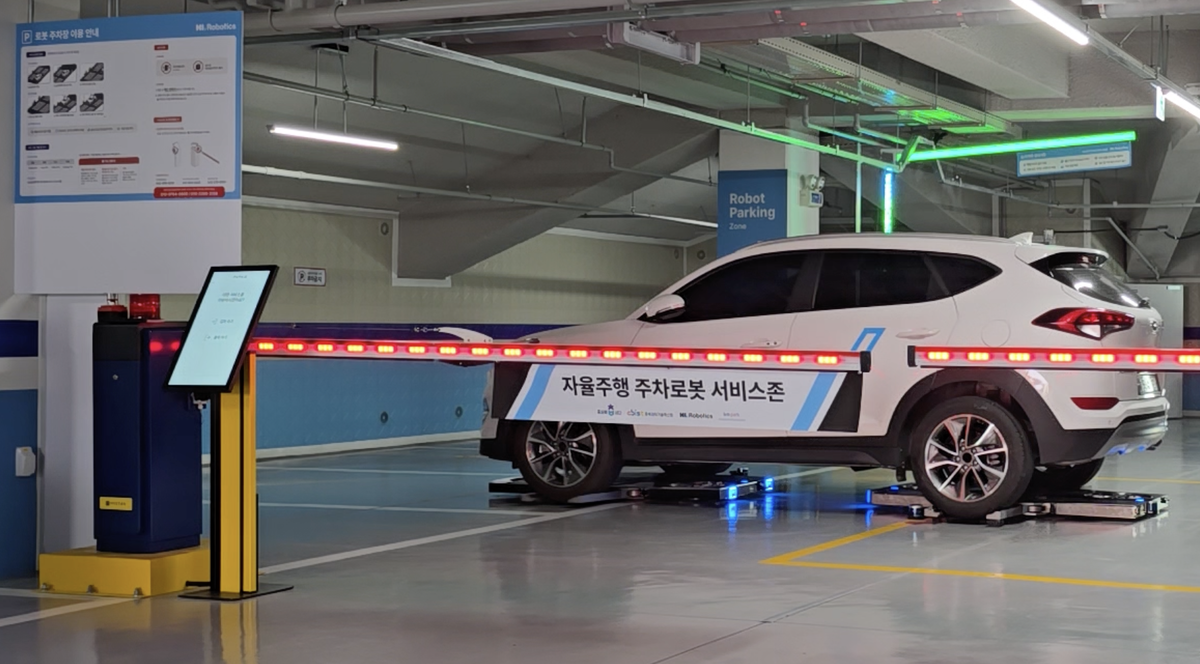
Securing “physical-digital hubs” for the autonomous and robot ecosystem
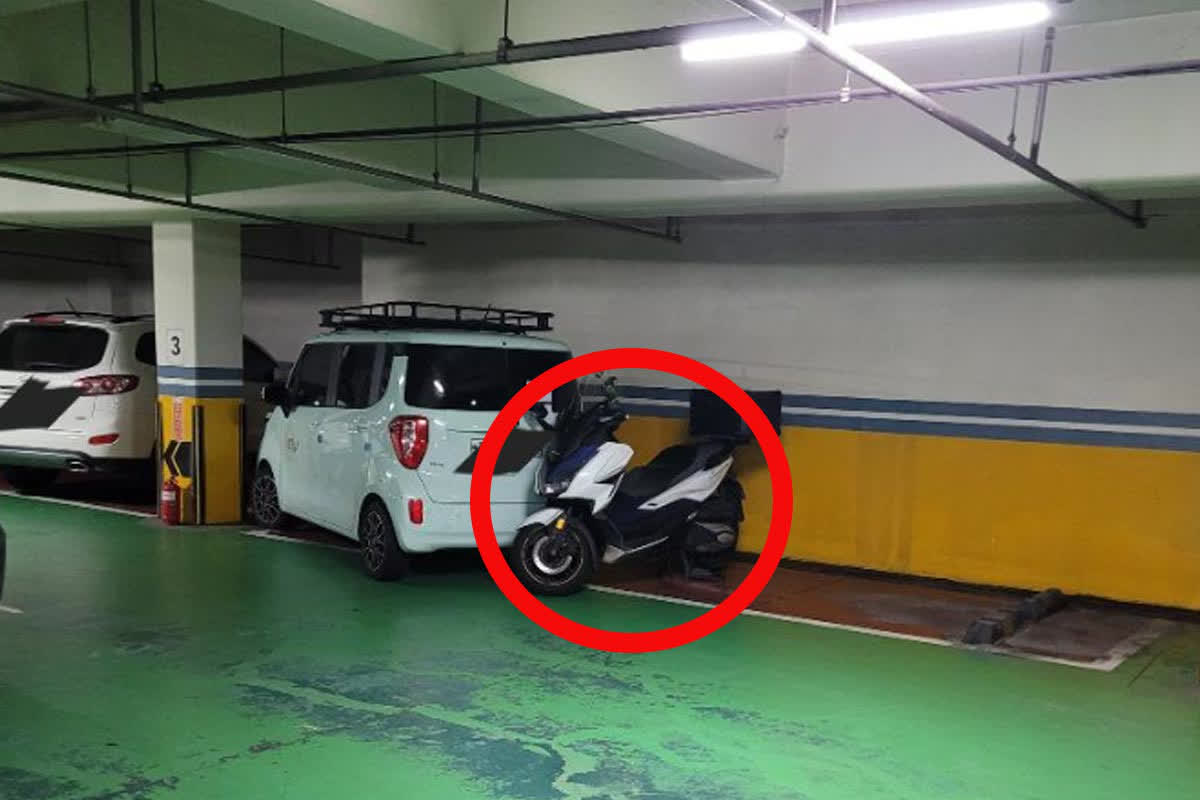
Commercializing autonomous and robotic services also requires physical infrastructure where devices can park, charge and receive maintenance. Uber’s recent acquisition of North American parking-reservation app SpotHero reflects the same strategic logic. Kakao Mobility plans to leverage offline parking facilities as key hubs for future mobility. It has already built an indoor navigation environment at the COEX parking lot in Seoul and, in Cheongju, partnered with HL Robotics to operate Korea’s first “robot ballet service.” Kim Tae-sung, head of the P&C Business Office, said, “In the future mobility era, parking spaces will be more than just lots. They will be important infrastructure that accommodates autonomous vehicles, robots and other physical-AI–based transport modes.” The company is stepping up recruitment for autonomous-driving talent. It recently added a “Physical AI” tab to its careers page and is hiring experienced professionals — five years or more — across four autonomous-driving domains, from hardware and HW/E/E (electrical/electronics) to core software roles such as AI and SLAM. Kakao Mobility also plans to broaden hiring to include global specialists, including Koreans returning from studies abroad.
An industry source commented, “Looking at the trajectory of Kakao Mobility’s business portfolio built through the Kakao T platform over recent years, the company’s shift toward a physical-AI firm appears to be a carefully prepared, long-term strategy.”