Surpassed the Carnival seven months after launch
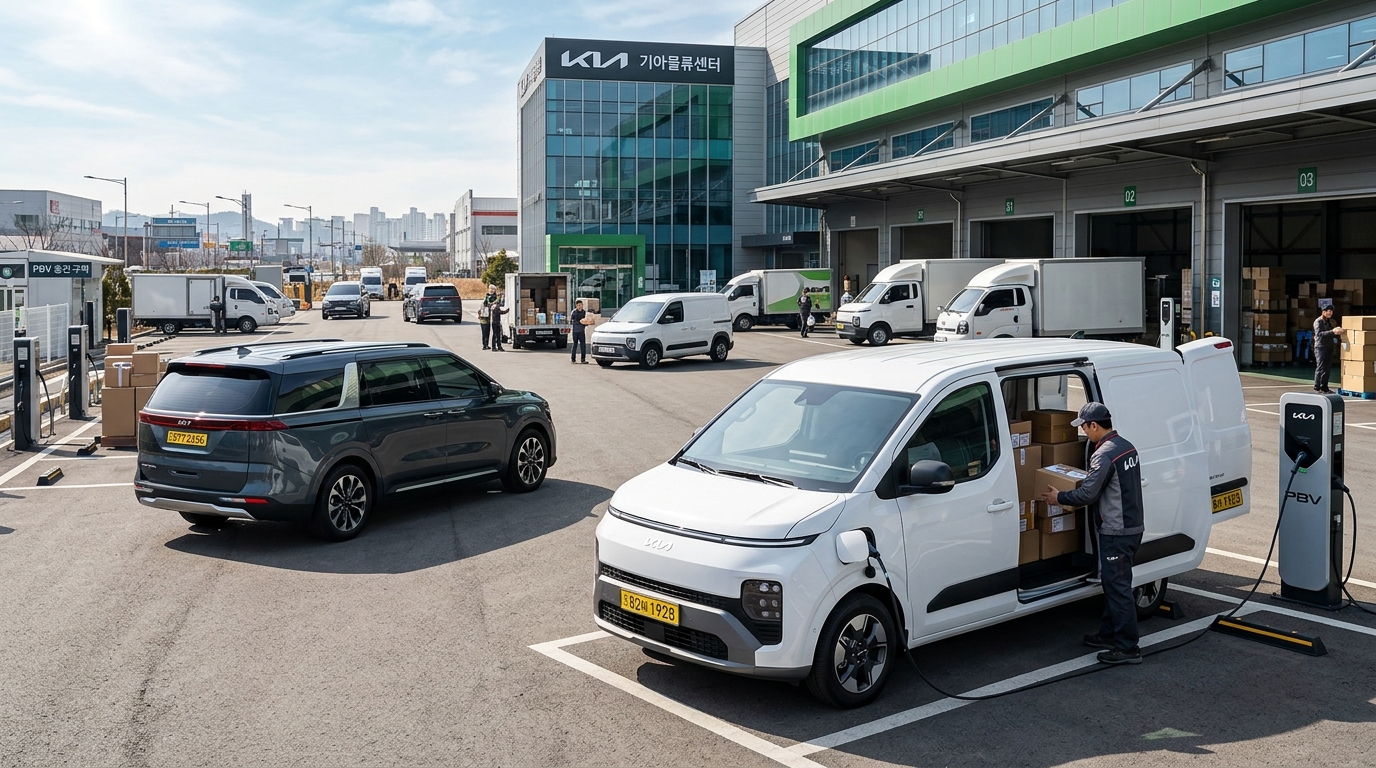
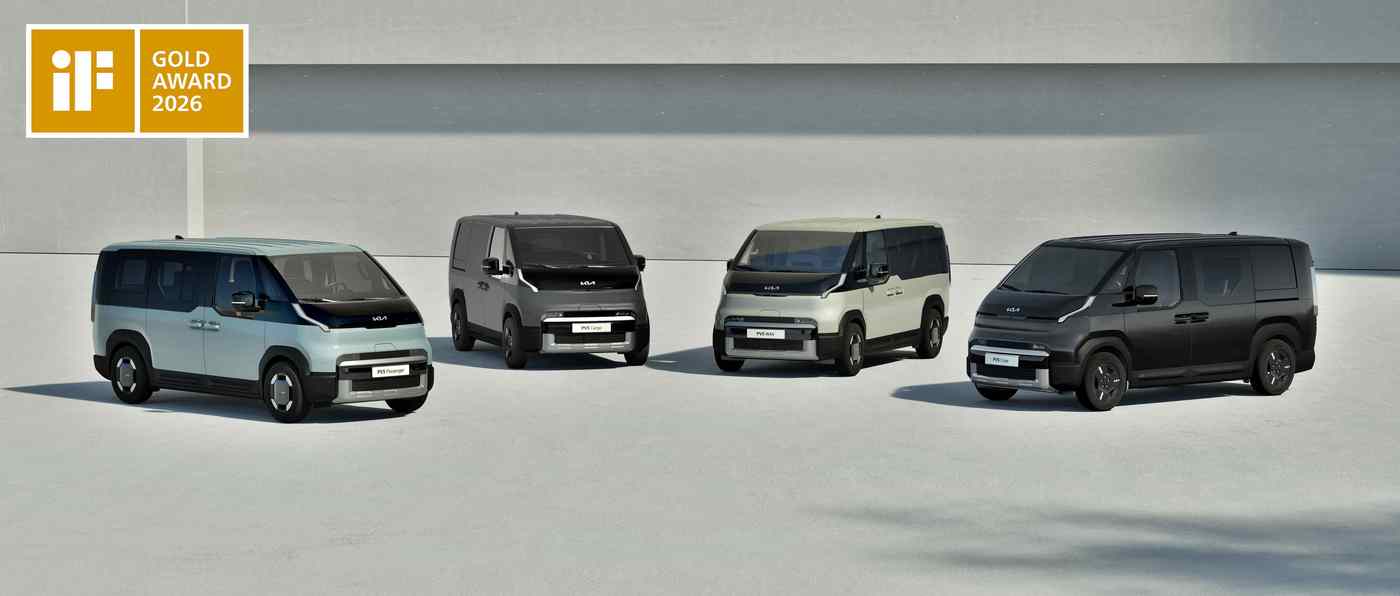
Kia’s purpose-built vehicle (PBV), the PV5, sold 3,967 units in February 2026, making it the top-selling electric model across Hyundai Motor Group for the month.
That total outpaced other Kia EVs, including the EV3 (3,469 units) and the Ioniq 5 (3,227 units). PBVs—commonly referred to as cargo vans—are starting to carve out a new demand segment in South Korea’s EV market.
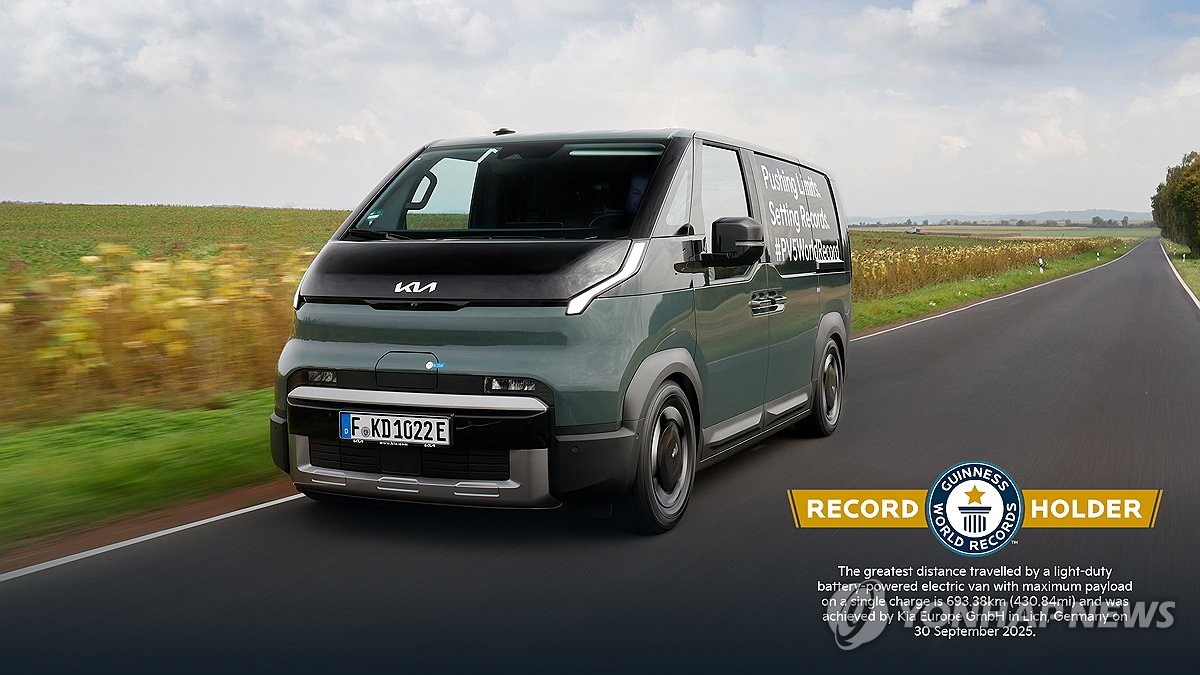
Perhaps more striking: PV5’s February sales of 3,967 units topped Kia’s long-running bestseller, the Carnival, which moved 3,712 units—a gap of 255 units.
That an electric van unseated the “people’s minivan,” which finished third in domestic passenger car sales in 2025, just seven months after launch is being called a significant upset by industry observers.
Kia becomes first domestic brand to top 10,000 EVs sold in a month
Buoyed by the PV5’s momentum, Kia sold 14,488 electric vehicles in South Korea in February 2026. On a pure battery-electric basis (excluding hybrids), Kia is the first domestic automaker to exceed 10,000 EVs in a single month.
The previous high was 7,686 units in February 2023; Kia eclipsed that mark by roughly 90%.
Notably, Kia’s 14,488 EVs that month surpassed its domestic rivals for the first time.
Hyundai also posted a monthly high, selling 9,956 electric vehicles that month. Combined, Hyundai and Kia moved 24,444 EVs—a 144% year-over-year increase. Even as the broader domestic market contracted 13.7% year-over-year due to fewer business days during the Lunar New Year holiday, electric vehicles bucked the trend and showed clear momentum.