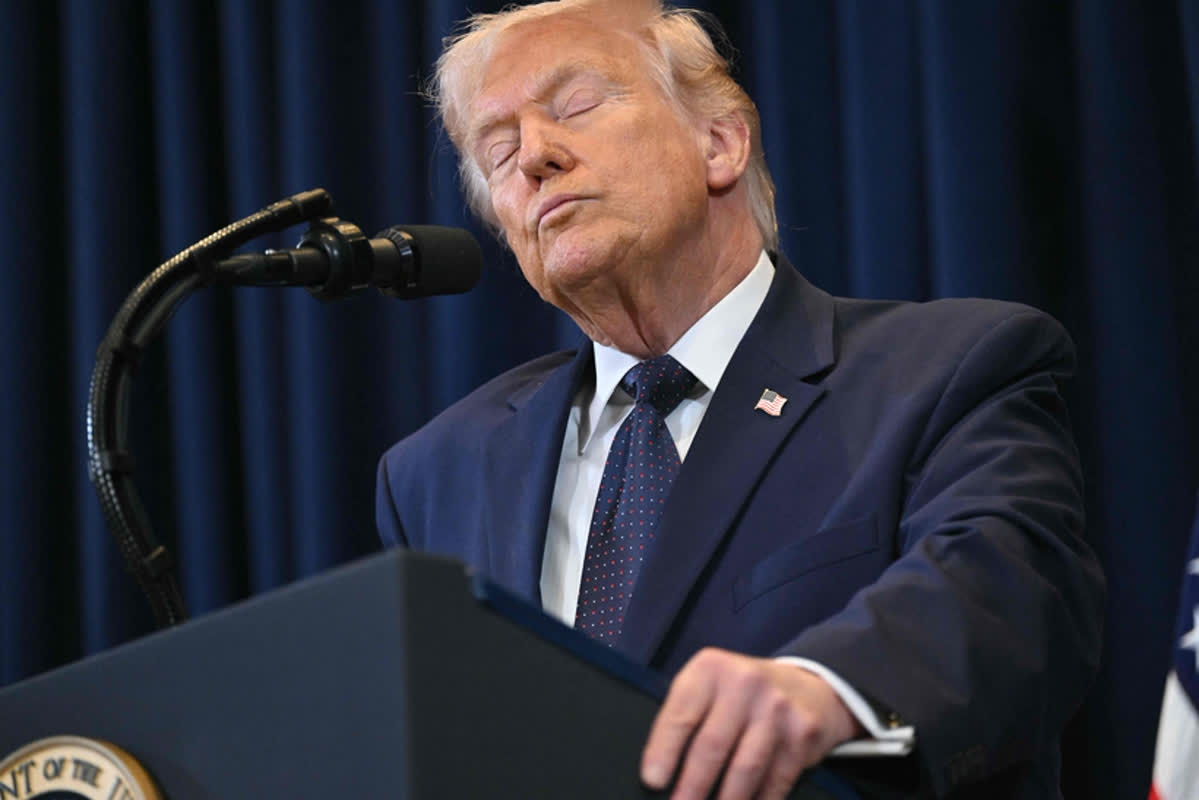
The New York Times reported on March 10 (local time) that President Trump and other U.S. officials have offered a string of inconsistent statements, day by day, about how long the campaign will last and what it seeks to accomplish.
“We expected about four to five weeks.” (President Trump)
The day after strikes on Iran began, President Trump told the NYT he expected the operation to last roughly a month. He said U.S. and Israeli strikes were proceeding as planned and expressed confidence the campaign would not be especially difficult.
He did not define what would constitute “victory.” At the time, critics noted the administration had not clarified whether the goal was regime change, the degradation of Iran’s military capabilities, or the halting of its nuclear program.
“This is not Iraq. This is not an endless war.” (Defense Secretary Pete Hegseth)
“This is not something that can be solved in one shot.” (Chairman of the Joint Chiefs Dan Caine)
“I don’t care how long it takes.” (President Trump)
On the second day of the campaign, messaging within the administration diverged.
At a Pentagon briefing, Secretary Hegseth argued this campaign differs from the prolonged conflicts the U.S. fought in the Middle East. He said it is not a nation‑building effort and estimated the operation could last roughly two to eight weeks.
Chairman Caine took a more cautious line, warning military objectives will take time to achieve and that additional casualties are possible.
The same day, President Trump said the campaign was advancing faster than expected but added, “We also have the ability to keep this going far longer if necessary,” shifting his tone again.
“Negotiations mean unconditional surrender.” (President Trump)
“We expect about four to six weeks to achieve our objectives.” (White House spokeswoman Caroline Levitt)
Less than a week into the campaign, President Trump struck a harder line, posting on his social platform that any negotiations with Iran would amount to unconditional surrender.
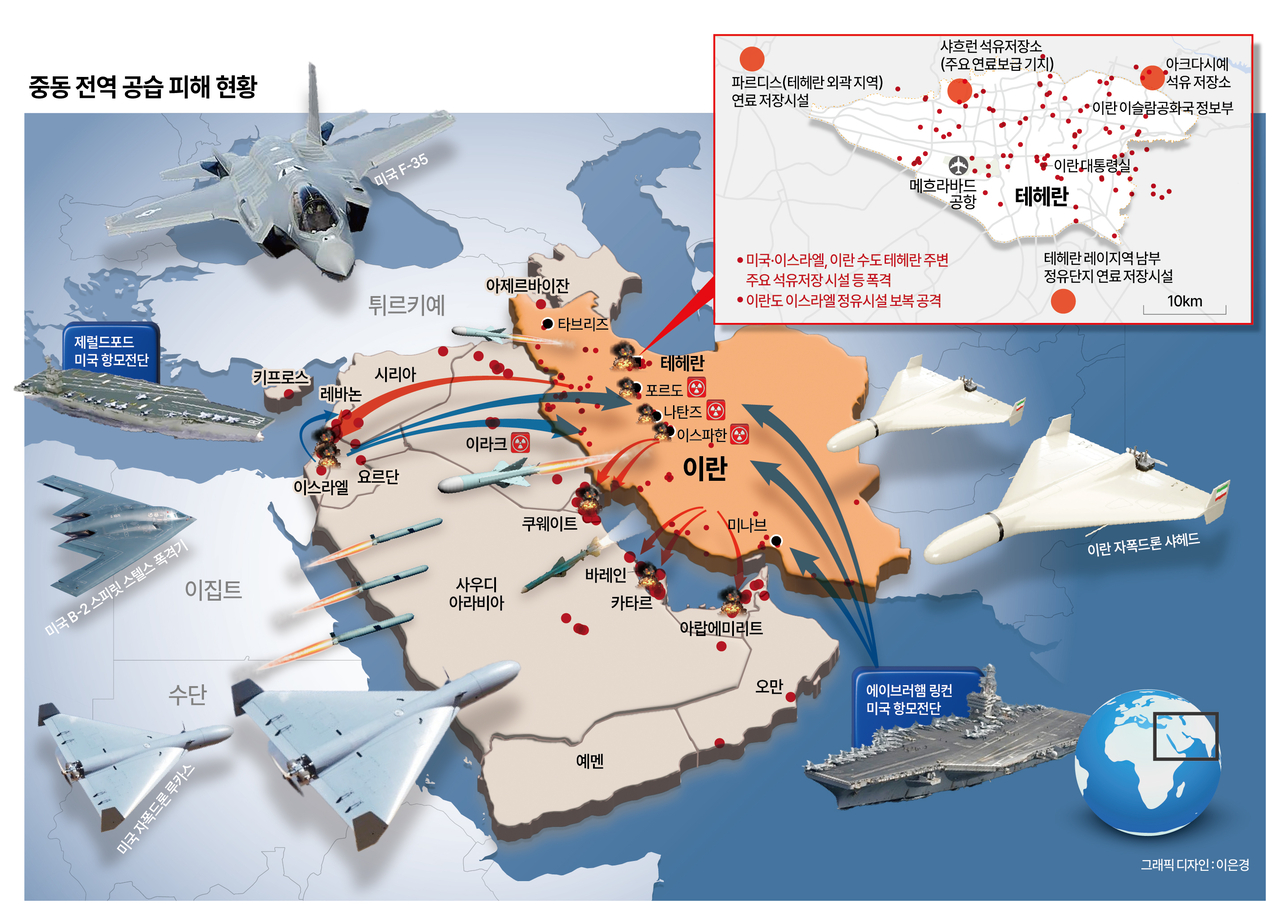
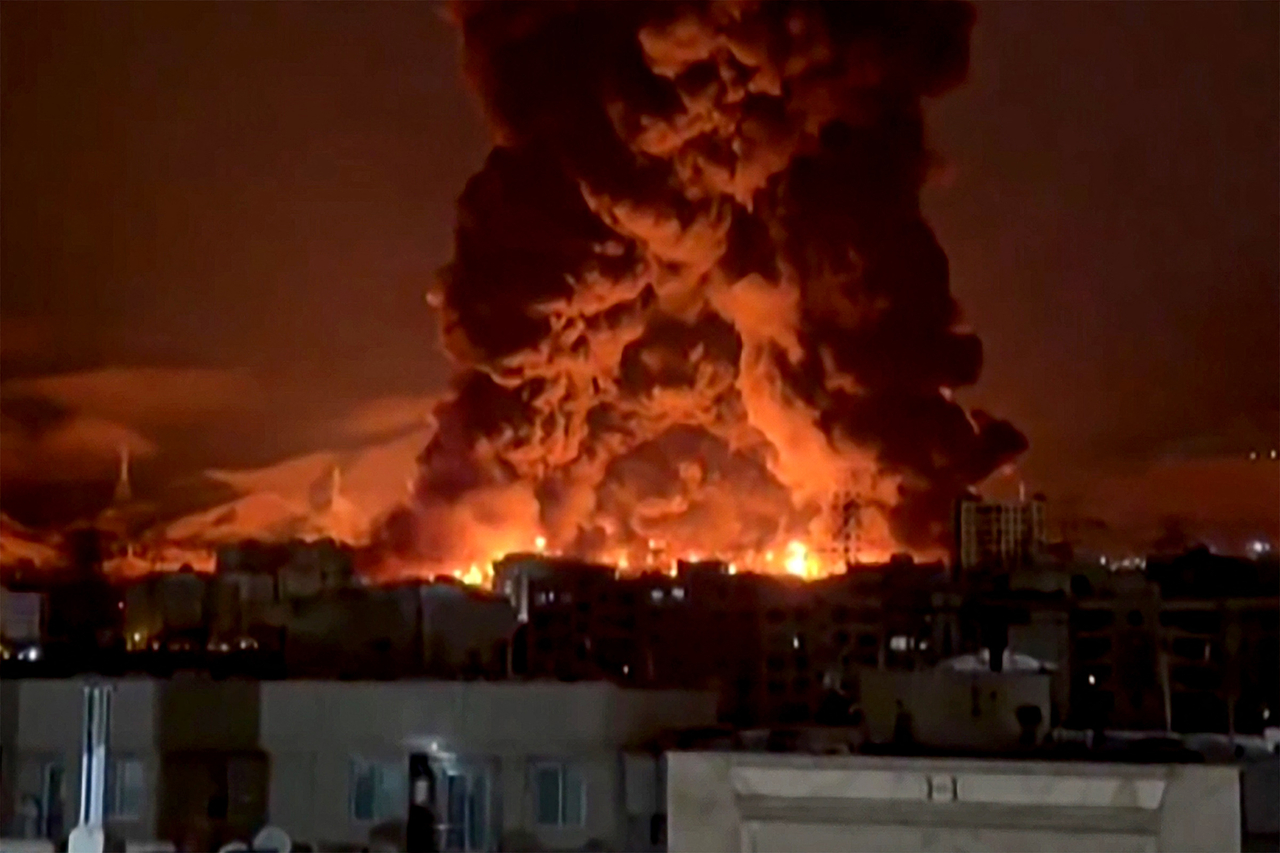
Observers interpreted that language as signaling ambitions beyond degrading Iran’s military—possibly even regime change. Iran, for its part, expanded attacks on U.S. bases across the Middle East, widening the front.
The White House offered a more measured message the same day. Spokeswoman Levitt said reaching operational goals could take about four to six weeks, without committing to a firm end date.
March 7
“This is a short trip.” (President Trump)
President Trump told reporters, “We are overwhelmingly winning,” and said he did not expect the campaign to be prolonged.
“The war is almost completely over.” (President Trump)
In a CBS interview, President Trump said the conflict was nearly over, buoying market optimism.
At a Florida briefing the same day, he said, “The war will end soon, very soon,” but added the U.S. would continue operations until it achieved what he called ultimate victory.
March 10
“I can’t say whether this is the beginning, the middle, or the end.” (Defense Secretary Pete Hegseth)
“President Trump will decide when to accept surrender.” (White House spokeswoman Caroline Levitt)
On the 11th day, the administration still had not provided a clear end point.
Secretary Hegseth told reporters that operational timelines are a presidential decision and emphasized, “What the American people should understand is that this is not an endless war.”
Spokeswoman Levitt clarified that “unconditional surrender” does not necessarily mean a formal surrender ceremony. She said the conflict will end when President Trump judges that Iran no longer poses a credible threat.
The New York Times observed that what began as a limited, weeks‑long operation has grown murkier over time, with objectives and exit criteria blurring. There remains no clear answer on how long the campaign will last.