[One Step Back After Oil Surge]
Battle-state gas prices spike, politicians hesitate
Israel hopes for a long war
Responses from countries around the Strait of Hormuz add uncertainty
Battle-state gas prices spike, politicians hesitate
Israel hopes for a long war
Responses from countries around the Strait of Hormuz add uncertainty
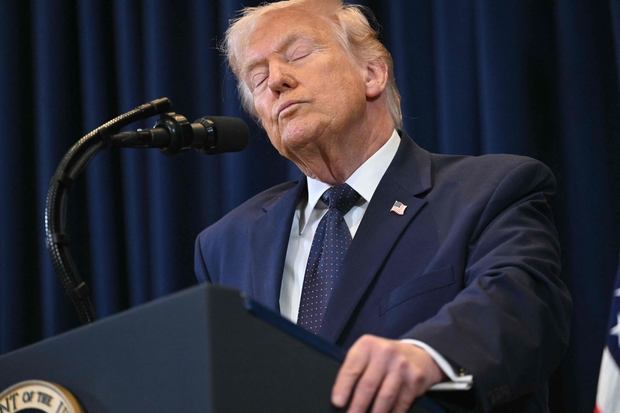

That stance marks a sharp shift from Trump’s earlier statements. On the 28th of last month, in a video announcing the start of military action, he told the Iranian people, “When we finish attacking, take over your government. That will be yours,” signaling regime change as an objective. He had invoked “regime change” shortly before the campaign, suggesting an intent to upend Iran’s theocratic system rather than merely replace its leadership. But as fears grew of a protracted conflict and West Texas Intermediate (WTI) crude futures neared $120 a barrel on the first trading day after the weekend break, he abruptly signaled a quick end, saying “the war will be over soon.”
U.S. analysts say Trump’s public intervention reflects political pressure to blunt voter anger over rising fuel costs ahead of the midterms. Axios, citing fuel tracker GasBuddy, reported that three of the four states with the largest week-over-week diesel price jumps are key Senate battlegrounds: Texas (up 111.6 cents per gallon), North Carolina (110.5 cents) and Georgia (107.9 cents). (1 gallon = 3.78 L) Texas, long a Republican bastion, has seen Democratic newcomer James Talarico mount unexpected momentum, making a GOP Senate hold less certain this November. Rising fuel prices tend to ripple through the economy — pushing up shipping costs, airfares and consumer goods — and could add upward pressure to already-elevated inflation.
Diverging interests with Israel add another complication. Israel’s Channel 12 reported that the Trump administration asked Israel not to launch additional strikes on oil and energy facilities inside Iran. Some officials interpret the request as an effort to preserve postwar cooperation in the energy sector. The Wall Street Journal reports the White House is concerned that, even after the U.S. signals an end to air operations, Israel may still want the conflict to continue.