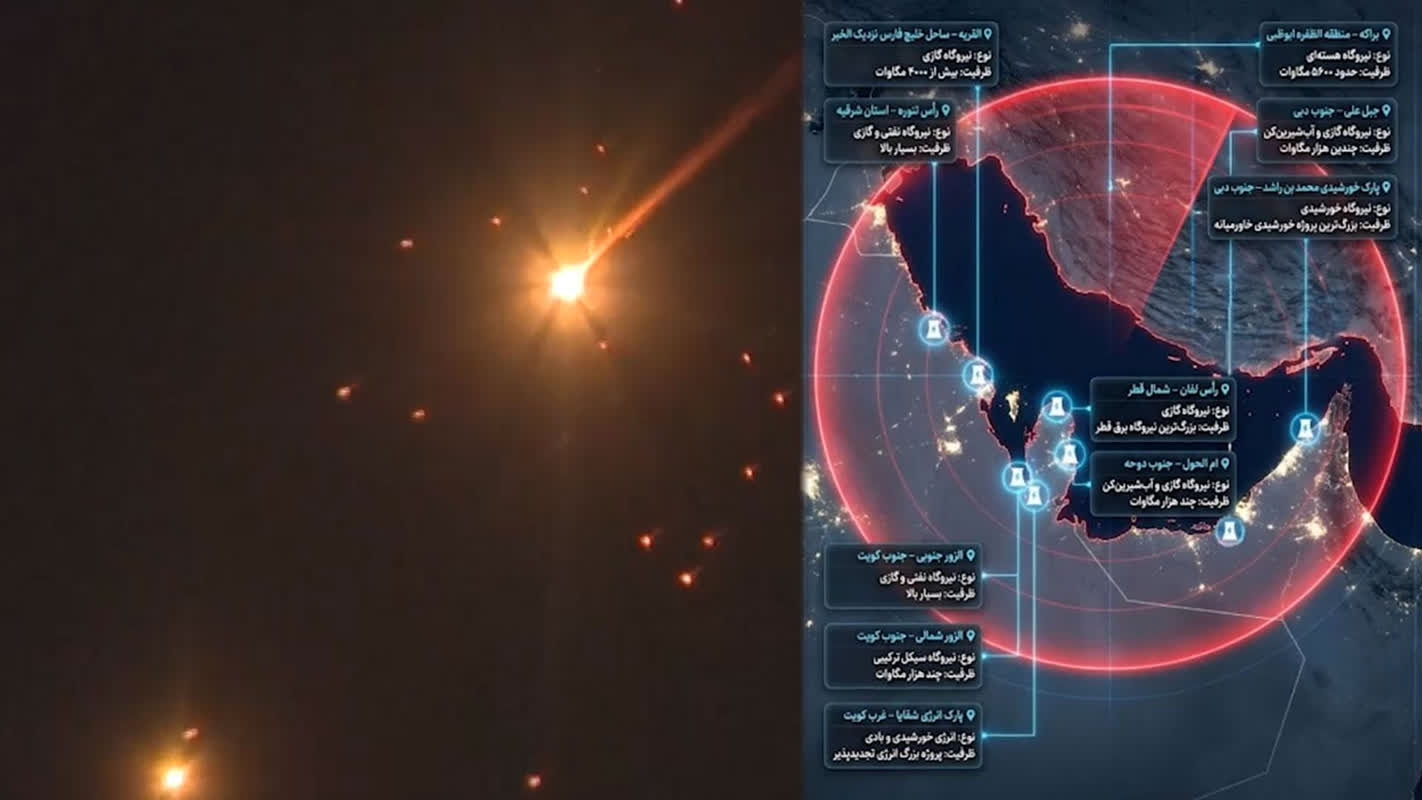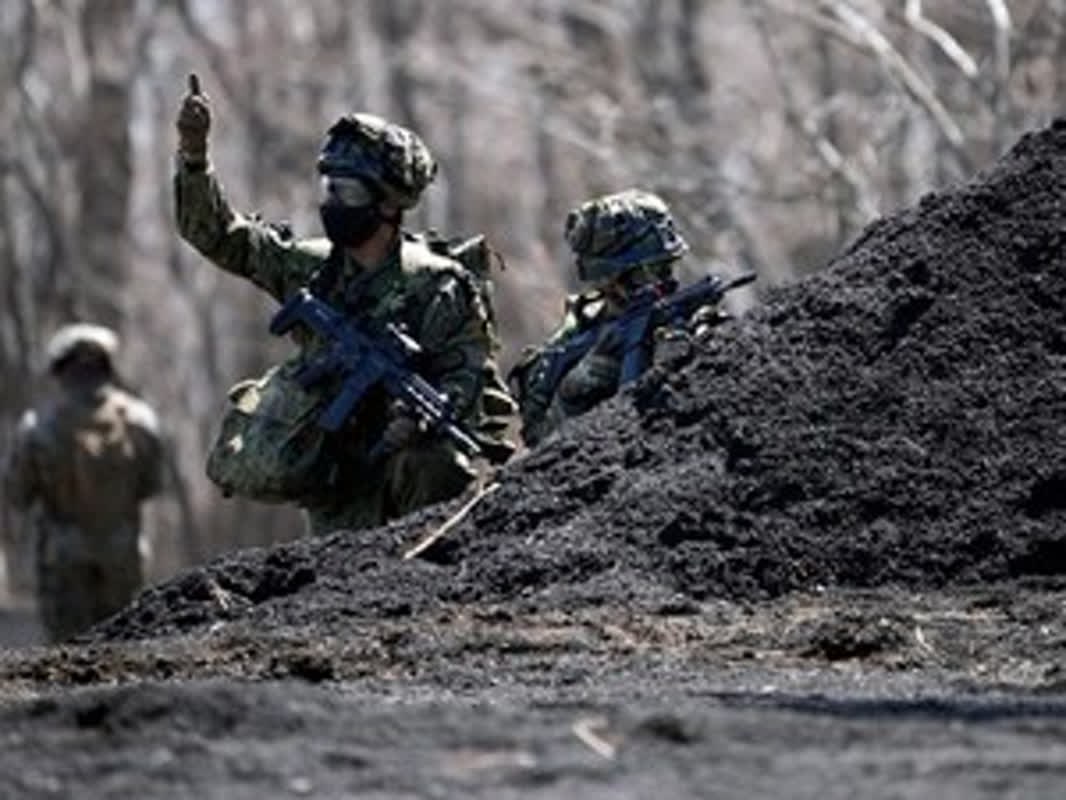
The U.S. government recently ordered the immediate sinking of Iranian vessels suspected of laying mines in the Strait of Hormuz, thrusting the world’s main artery for oil and gas back into the center of military and economic risk.
“A 2 million KRW (approximately $1,500) weapon can make 1 trillion KRW (approximately $750,000) warships tremble” — The economics of mine warfare
Even in an era when stealth fighters and Aegis destroyers dominate the seas, maritime control can be upended most quickly by an ironic culprit: inexpensive naval mines.
The real threat of mine warfare isn’t just blast damage. It’s the asymmetric economic and operational drag it imposes — forcing rivals to spend time and massive capital to respond.
Analysts at U.S. maritime security institutes estimate that producing and deploying an old-style contact mine costs only a few thousand dollars.
By contrast, when the U.S. guided-missile frigate USS Samuel B. Roberts struck an Iranian mine estimated to cost about $1,500, the ship was sidelined for months and repairs topped roughly $90 million.
During the Gulf War, the cruiser USS Princeton and the amphibious assault ship USS Tripoli were similarly damaged by mines that cost only a few thousand to around $10,000 apiece. But the cleanup, salvage and repair operations required far greater resources and time.
Even more damaging is the psychological and market effect: reports or rumors that mines have been laid in a shipping channel drive up marine insurance premiums and prompt commercial shippers to reroute or curtail voyages.
In narrow choke points like the Strait of Hormuz, suspicion of only a handful of mines can unsettle the global energy market.
South Korea’s 70.7% oil lifeline — escort fleets have limits
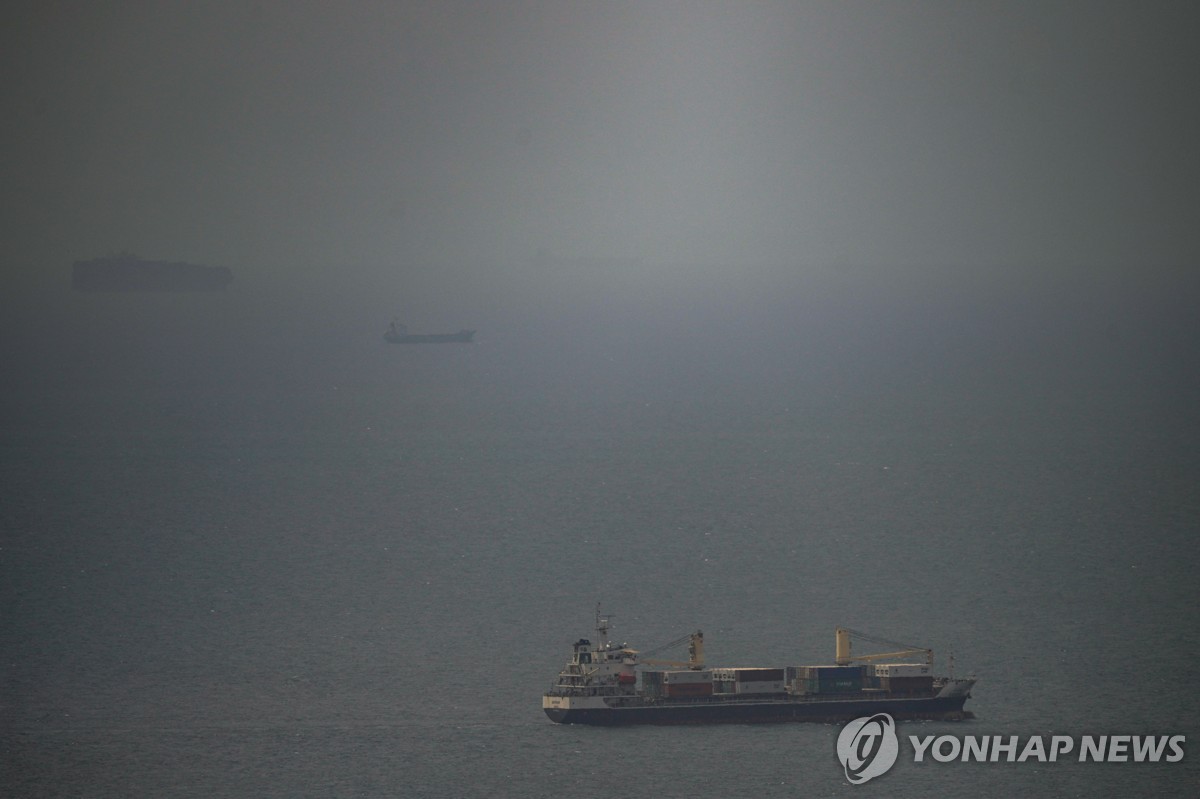
Roughly one-quarter of seaborne oil trade and about 20% of global LNG shipments transit the Strait of Hormuz. That exposure makes instability there a direct threat to South Korea’s economic security.
South Korea imports about 70.7% of its crude oil and 20.4% of its liquefied natural gas (LNG) from the Middle East, much of it routed through Hormuz. A prolonged blockade or sustained disruption would strain refining, petrochemicals, power generation and logistics across the economy.
The Republic of Korea Navy has experience: the Cheonghae Unit has operated in the Gulf of Aden and Middle East waters, escorting merchant traffic and countering piracy with destroyer-led task groups.
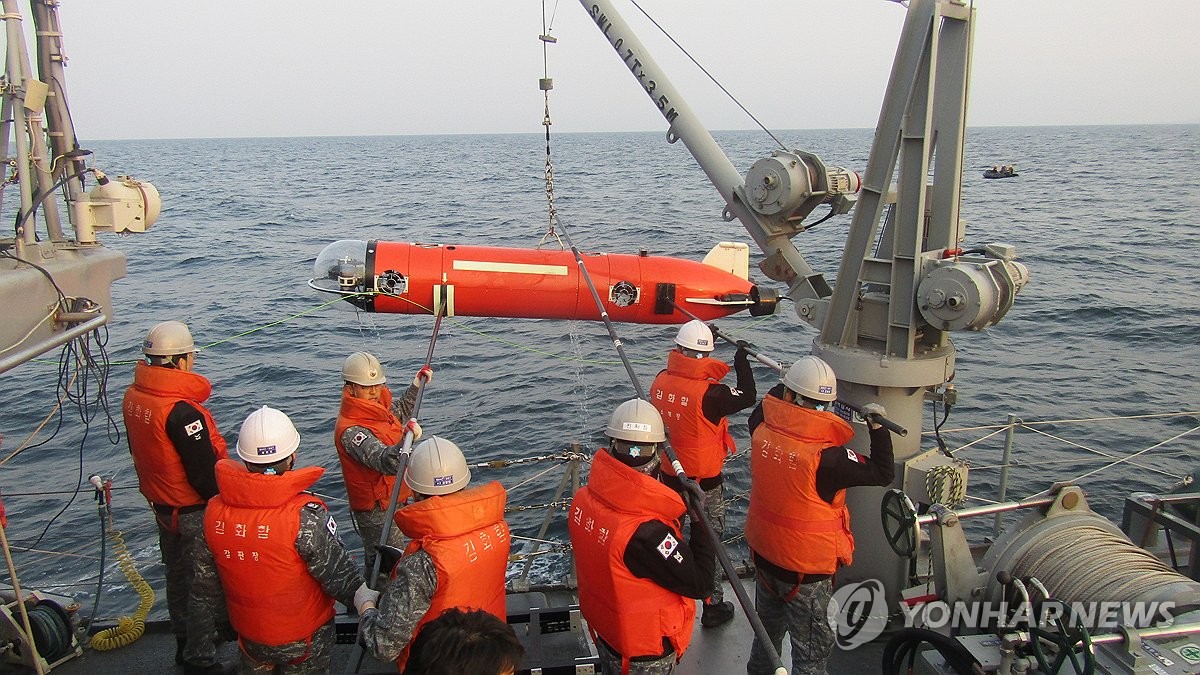
Still, mines laid covertly beneath the surface are a different class of asymmetric threat. Surface escorts can defend against missiles and fast attack craft, but they cannot reliably detect and clear seabed or moored mines without specialist assets.
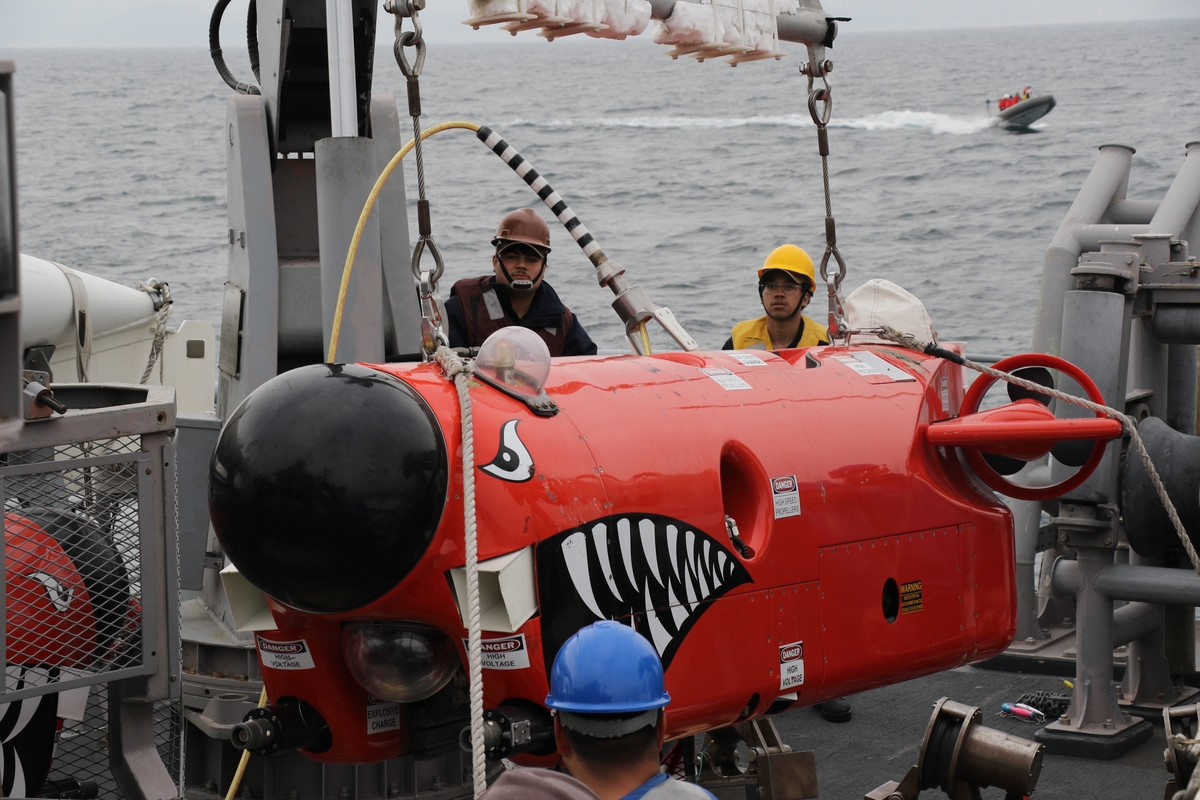
Effective countermeasures require minehunters, unmanned surface and underwater vehicles, airborne sensors and precision search systems — capabilities that go beyond routine escort operations.
Defense analysts say countries must sharply expand navy-level, precision counter-mine capabilities. At the same time, governments should diversify import routes for oil and gas and refine strategic petroleum reserve policies and contingency plans.
The crisis in the Strait of Hormuz is not just a regional military dispute. It underscores a stark reality: a single, cheaply made mine (about 2 million KRW, roughly $1,500) can disrupt the energy arteries that power South Korea’s industry.