As consumers steer away from sugar and caffeine, “zero” drinks are having a moment—and tea-based alternatives are getting a lot of buzz. At the forefront of that shift is kombucha, which is carving out space as a popular substitute.
Kombucha is a fermented tea made by adding sugar, yeast and beneficial bacteria to brewed black or green tea. Think of it as a fizzy, tangy tea with probiotic appeal. Industry insiders don’t view its rise as mere trendiness—so what’s driving interest?
Data from the Korea Disease Control and Prevention Agency’s National Health and Nutrition Examination Survey show that over the past five years, consumption of sugar-sweetened carbonated drinks fell by 8.8 grams, while intake of low-calorie (zero) carbonated drinks rose by 17.8 grams. During the same period, unsweetened coffee consumption climbed by 28.2 grams.
Market researcher Euromonitor reports that Korea’s zero-drink market—including sugar-free and low-sugar beverages—grew from 163 billion KRW (about $122.3 million) in 2018 to 1.278 trillion KRW (about $958.5 million) in 2023—more than a sevenfold jump. In short, drink choices are shifting toward lower-sugar, lower-caffeine options.
Against that backdrop, kombucha is attracting growing attention.
TEAZEN is the leader in Korea’s kombucha scene. Since launching powdered stick-format kombucha in 2019, TEAZEN has sold roughly 700 million sticks. Last year, the company’s kombucha exports reached about 10 billion KRW (≈ $7.5 million), with shipments to Japan, Taiwan and Hong Kong jumping 200% and 44% year over year, respectively.
Domestically, kombucha is expanding mainly in powdered stick form. After TEAZEN, brands like Damtuh and I’m Alive launched their own powdered kombucha sticks.
Recently, Dongseo Foods introduced a powdered-stick product called “Aesabi Kombucha.” A company spokesperson said, “As demand grows for new styles of tea beverages, we’re offering flavors consumers want within our tea lineup. This isn’t about launching a sweeping new business division.”

Still, industry watchers say Dongseo Foods’ move matters. A major company that long dominated the instant coffee market adding kombucha signals it expects meaningful demand in this category.
“Right now the market is nascent and centered on players like TEAZEN,” a beverage industry source said. “But with big companies entering, kombucha could very well grow into a core pillar of the alternative beverage market.”
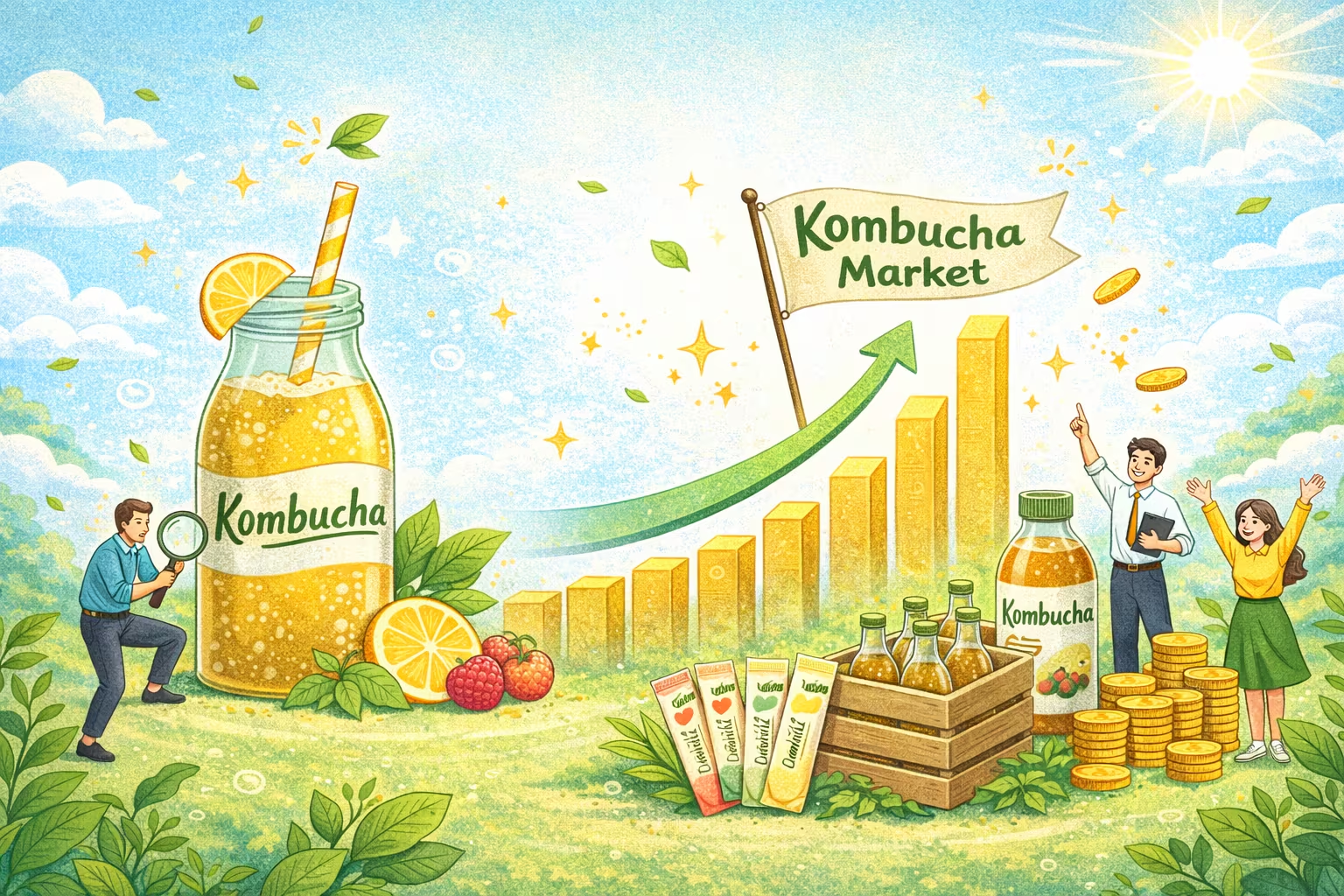
Globally, fermented and probiotic drinks—including kombucha—are already expanding fast. Grand View Research projects the global kombucha market will grow from about $4.26 billion in 2024 (roughly 6.5097 trillion KRW) to roughly $9.09 billion by 2030 (about 13.8867 trillion KRW).
An F&B industry source noted, “Following the zero-drink trend, more consumers are seeking fermented and functional beverages as part of the ‘healthy pleasure’ and wellness movement. As the kombucha market expands, product variety and brand competition will intensify, and kombucha is likely to secure a spot among mainstream beverage categories.”
Choi Cheol, a professor of consumer economics at Sookmyung Women’s University, added, “With rising interest in health and well-being, demand for alternatives to carbonated sodas is increasing—and kombucha is benefiting from that trend. Rather than funneling into a single product, the market will probably diversify, offering a wide range of options that reflect varied consumer tastes.”