King oyster mushrooms—the ultimate budget-friendly ingredient—get a serious glow-up into a dish with jaw-dropping texture and bold flavor. On the YouTube channel 'Jipbap Korean Home Cooking', a humble mushroom steps out of the side-dish lane to become the main attraction with a simple, brilliant recipe.
The chewy bite and umami punch fill your mouth so completely that other side dishes practically get ignored—this one lifts any meal into something richer and more memorable.
Preparation and Sautéing
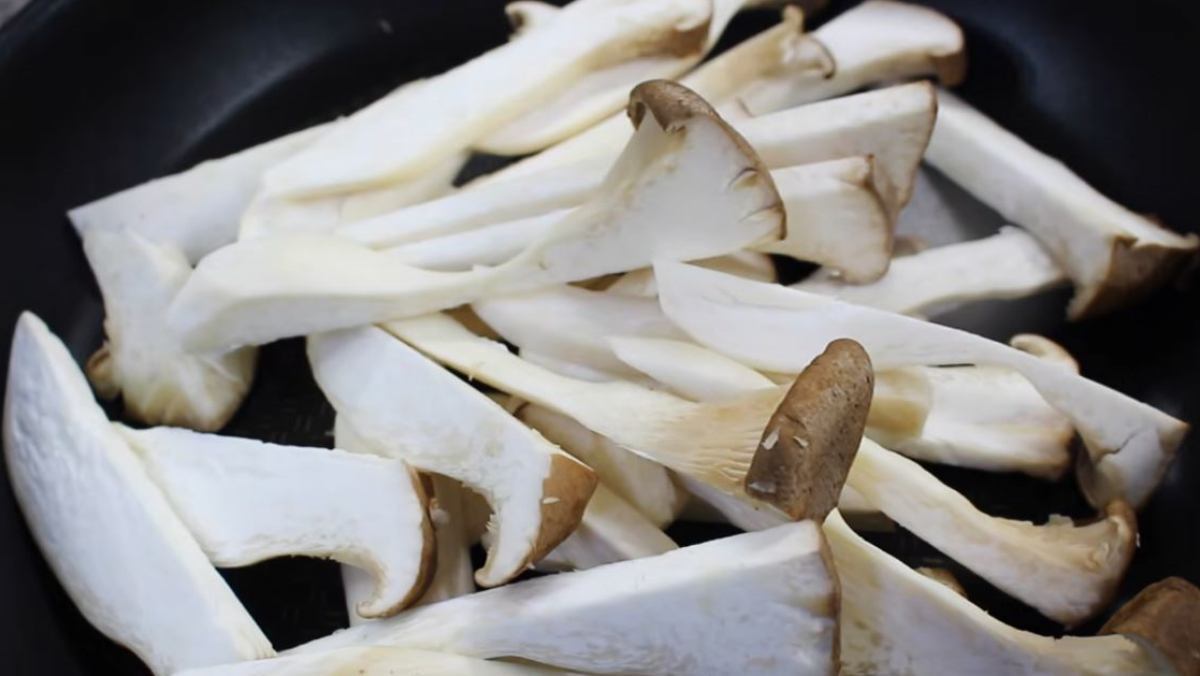
Pick plump, creamy-white king oyster mushrooms—about four large or six small. Rinse them lightly and slice, and finely chop half a green onion. The trick is to heat a dry skillet over medium and sauté the mushrooms without oil. Their natural moisture prevents burning, and as they brown the Maillard reaction builds deep, savory flavor.
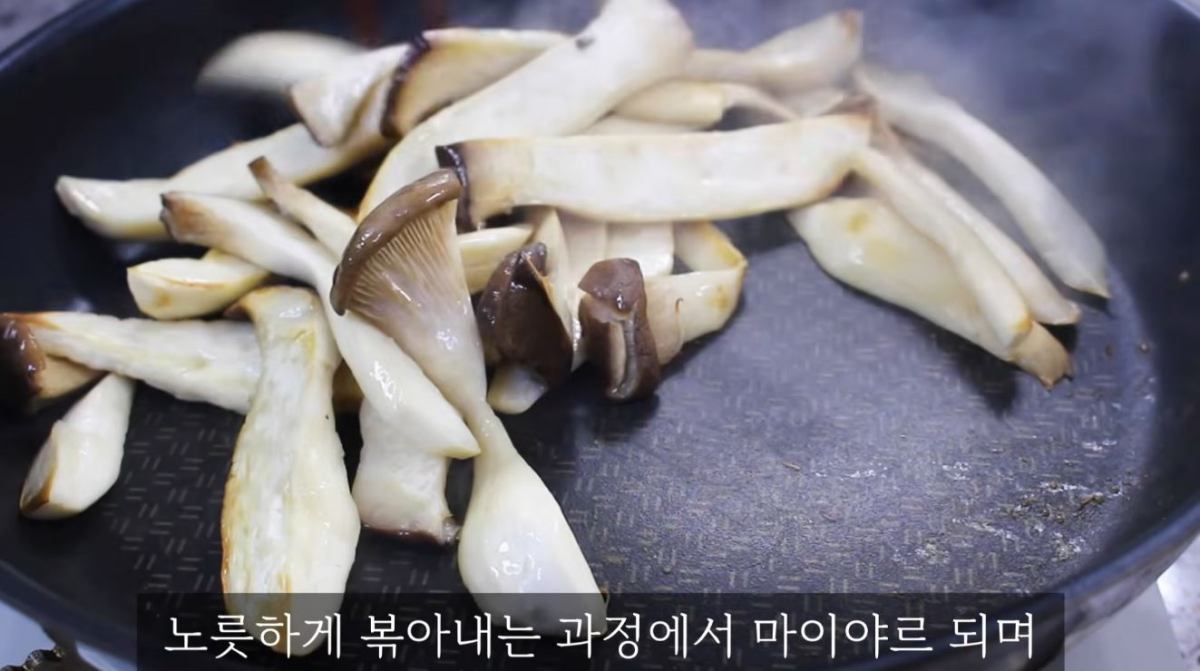
Sauté until the mushrooms relax and their juices concentrate, then transfer to a plate and let them cool slightly.
Make the Sauce and Finish
While the mushrooms cool, whisk the sauce. Mix 1 tablespoon gochujang, 1/2 tablespoon minced garlic, 1 tablespoon soy sauce, 2 tablespoons vinegar, 1 tablespoon sugar, 1 tablespoon gochugaru (Korean red pepper flakes), and 1 tablespoon corn syrup. Add a splash of sesame oil and a sprinkle of toasted sesame seeds, and stir until smooth. In a large bowl, combine the slightly cooled mushrooms, the sauce, and the chopped green onion; gently toss to coat.
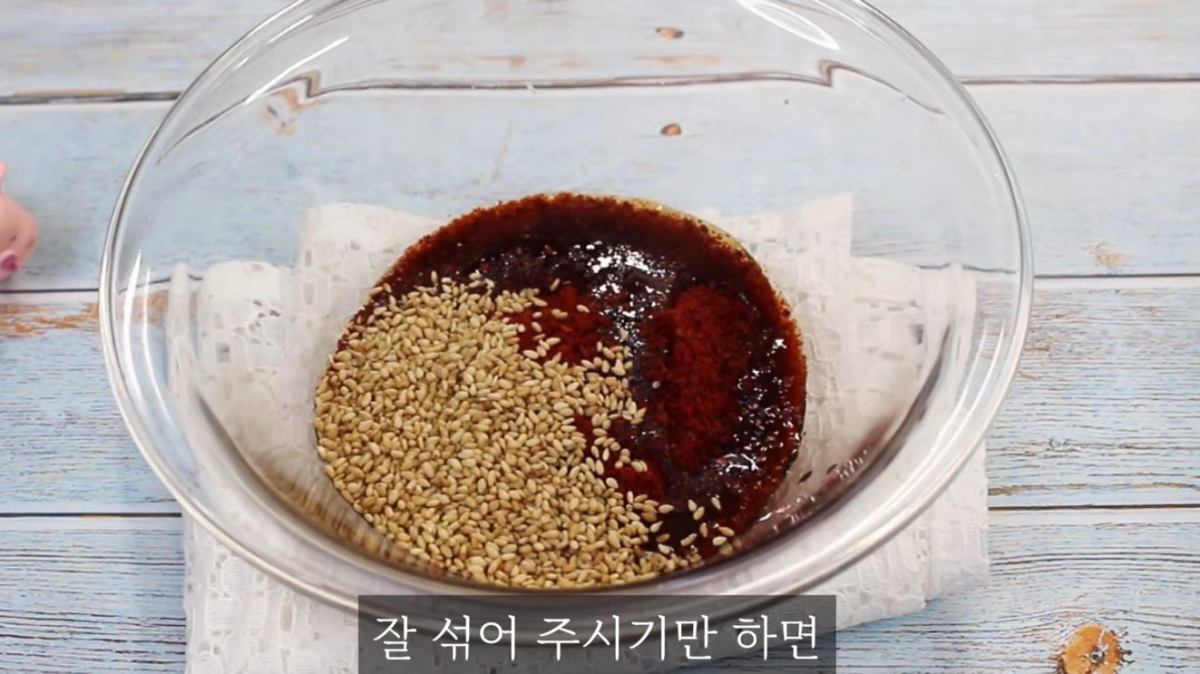
This dressed mushroom salad goes beyond a simple veggie side—it's got the heft to rival meat. The sweet-and-tangy sauce melds with the mushrooms' concentrated juices, and each bite releases more savory depth. When your appetite needs a nudge, this dish wakes your taste buds with minimal ingredients and maximum payoff. Savor the intensified mushroom aroma and satisfyingly chewy texture from the sauté, and finish the day with a hearty, happy meal.
Popular for Its Chewy Texture… King Oyster Mushroom Traits and Seasonality
King oyster mushrooms are a common sight on Korean tables thanks to their distinctive texture and versatility. They’re grown steadily year-round, but like most mushrooms, they tend to be best when produced in cooler conditions.
King oyster mushrooms belong to the Pleurotus genus. Their scientific name is Pleurotus eryngii, and they likely originated around the Mediterranean. In Korea, they’re mainly produced in controlled facilities, which helps maintain consistent size and quality.
Their look is defined by a thick, cylindrical stem and a relatively small cap. Unlike many mushrooms, the stem is dense and firm, which gives it a meaty mouthfeel. Colors range from white to light brown, and the dense flesh resists crumbling.

Their signature trait is texture: when cooked, they stay firm and pleasantly chewy. That makes them perfect for grilling, stir-frying, or braising. Sliced thick and grilled, they can even mimic a meaty bite.
Nutritionally, king oyster mushrooms are high in water and low in calories. They offer dietary fiber along with the vitamins and minerals common to mushrooms, and they’re known to contain beta-glucans.
Most king oyster mushrooms are grown year-round in controlled settings, though cooler temperatures often yield the most stable quality. Major retailers supply them throughout the year, and they remain a reliable choice for home cooks.
Store them in the refrigerator, ideally in their original packaging or an airtight container to preserve freshness, since they’re a high-moisture ingredient.
Thanks to advances in cultivation, king oyster mushrooms are a consistently available mushroom variety and a versatile staple in Korean cooking.
Get your daily personal horoscope report! How will your day go?n