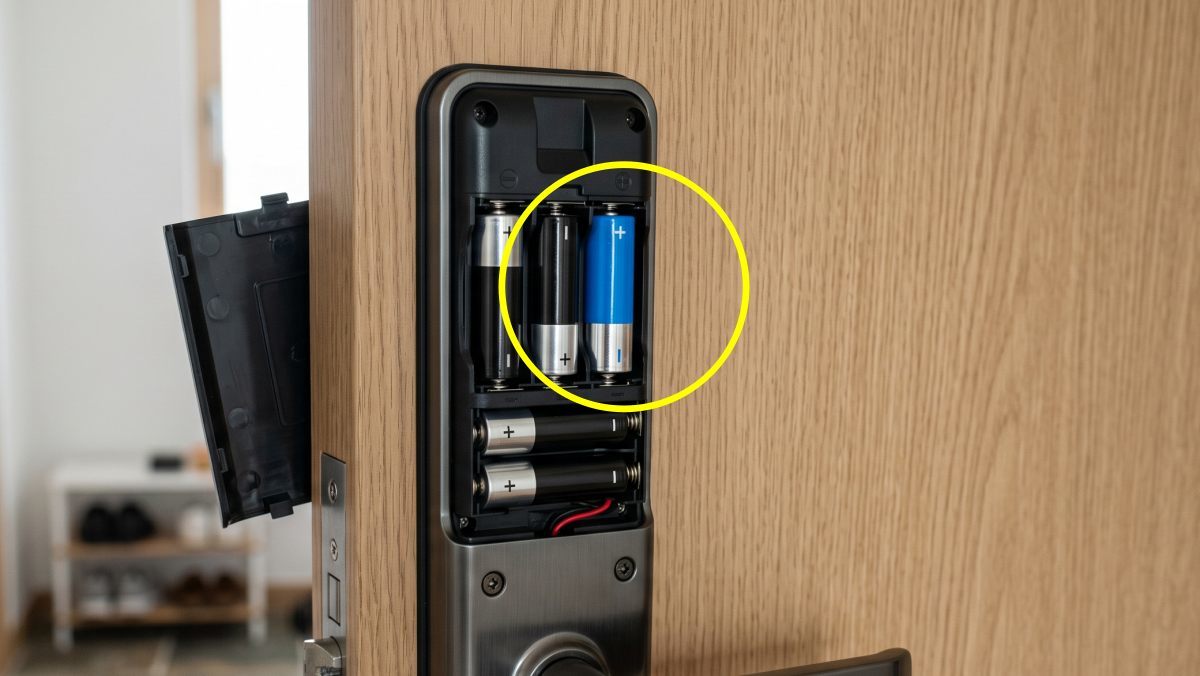
We all grab batteries on autopilot at the drugstore or supermarket, but picking the wrong kind without checking the label can cost you an expensive gadget. A recent YouTube clip from the channel 'Salim Research Lab Ocle' breaks down how to use different battery types correctly, and viewers are buzzing. The takeaway: batteries aren’t interchangeable—choose the right one or risk device failure.
Cheap isn’t always better: manganese vs. alkaline
The batteries you see on store shelves generally fall into two camps: manganese and alkaline. They might look similar, but they perform very differently and suit different uses.
Alkaline batteries deliver steady voltage and higher capacity, so they’re best for power-hungry gadgets. They’re usually a bit pricier. By contrast, manganese batteries are cheaper but have shorter life spans and much weaker voltage stability. Because the gap is so wide, experts say you should match the battery to what the device actually needs.
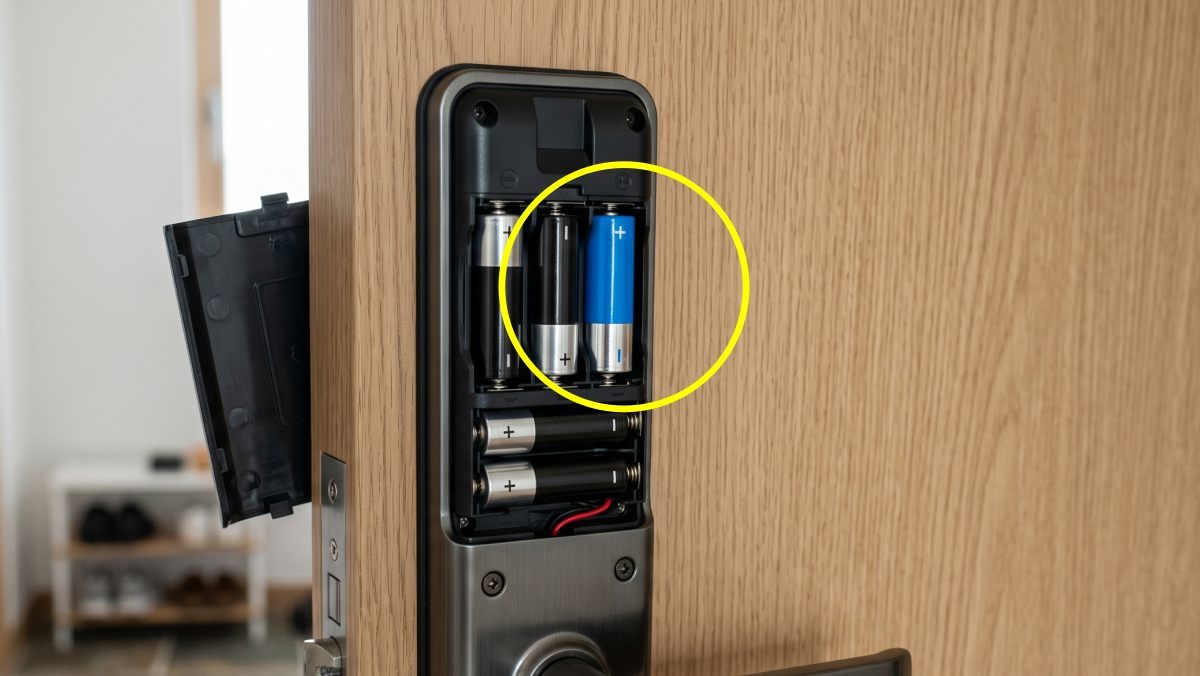
Why using manganese batteries in a door lock can blow up into a nightmare

The main dangers are leakage and sudden discharge. Forcing the wrong type of battery into a device can cause internal fluids to leak and corrode the circuitry, which may mean replacing an expensive device entirely. Manganese batteries also can lose voltage abruptly and discharge quickly—imagine your door lock failing to open at the worst possible moment. Bottom line: reserve manganese batteries for very low-drain items like remote controls or wall clocks.
Mixing brands is a no-go—people online share horror stories
Matching battery type is one step. Don’t mix brands, either. Even within the same battery type, brands can vary slightly in performance, and mixing them can create voltage imbalances that stress your device. Make it a habit to replace all batteries at once with the same brand and, if possible, the same production lot.
Readers reacted strongly. One person shared that battery leakage in their door lock forced them to call a technician to pry the door open, and warned to always use good batteries. Others commented they didn’t realize alkaline was required or that brand matching mattered—calling the tips eye-opening and useful.
Never forget: one tiny battery can affect your home’s safety. Checking what’s powering your door lock right now could save you from a surprise repair bill.
Stretch battery life, stay safe, and get the most out of your batteries
How you manage batteries matters just as much as which type you buy. Experts agree that a little care goes a long way in maximizing battery life and preventing device failures. With gadget use climbing, here are the essential battery-care rules you should know.
One common mistake is replacing only one or two cells in a multi-battery device. That can do serious harm. Mixing new and old batteries forces the weaker, partially drained ones to draw excess energy from the fresh ones.
That overload raises pressure inside the old batteries, which can lead to leakage. Leakage does more than make a mess: it corrodes metal contacts and can destroy internal circuits beyond repair. Replace all batteries at once with new ones from the same manufacturer.
Storing batteries in the refrigerator to make them last longer is a myth—and it can actually make them worse. Refrigerator moisture can corrode battery terminals, and temperature changes when you remove them can cause condensation inside the battery. Moisture speeds up discharge and degrades performance.
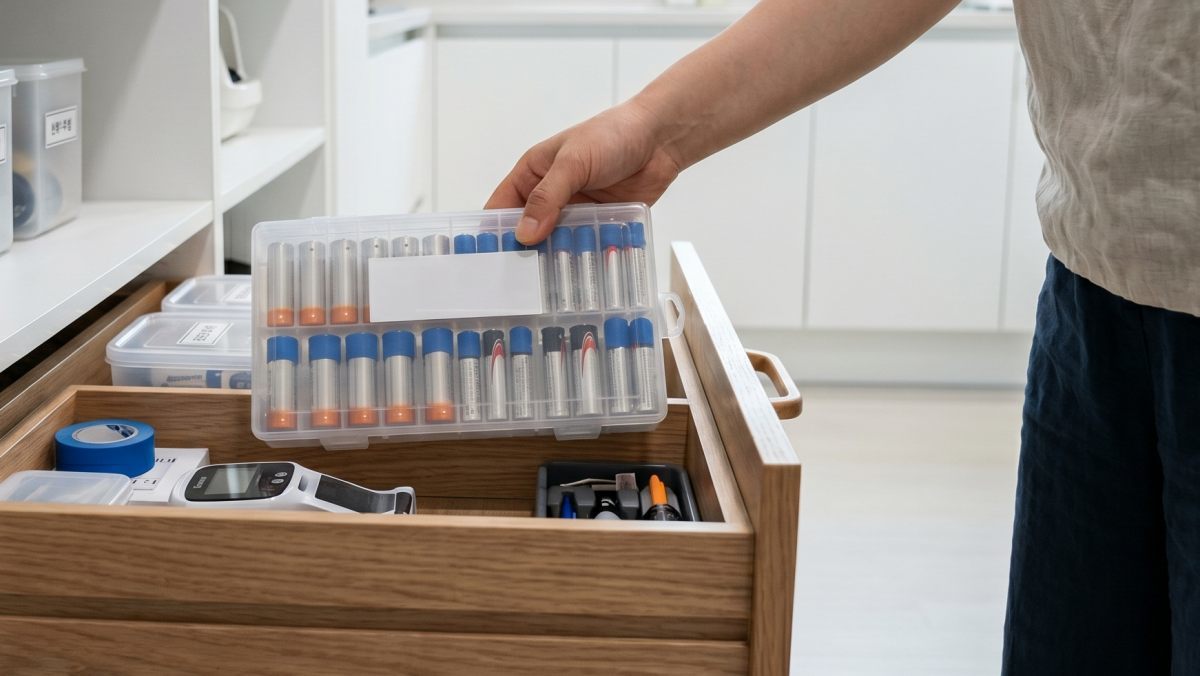
The best place to store batteries is a cool, ventilated spot out of direct sunlight. Keeping them at room temperature (about 15–25°C) helps stabilize the chemistry. Also prevent terminals from touching by storing batteries in their original case or taping over the terminal ends with nonconductive tape.
If you won’t use a device for a while—think remotes, toys, or camping lanterns—remove the batteries. Even when a device is off, tiny standby currents can slowly drain cells. Left too long, batteries can over-discharge, weaken their outer casing, and dramatically raise the risk of leakage.
Leaky batteries are a frequent cause of failures in seldom-used items like door locks or pricey camera gear. For low-use devices, store the batteries separately and insert them only just before use.
Dust or debris on metal contacts increases resistance and wastes power. Wiping the contacts with a dry cloth or cotton swab before inserting fresh batteries improves voltage transfer.
Finally, don’t toss used batteries in the regular trash. Recycle them in designated battery collection bins. Battery chemicals can pollute soil and water, but recycling recovers valuable metals like iron, zinc, and manganese. Proper disposal protects the environment and turns waste into resources—so make battery recycling a habit.