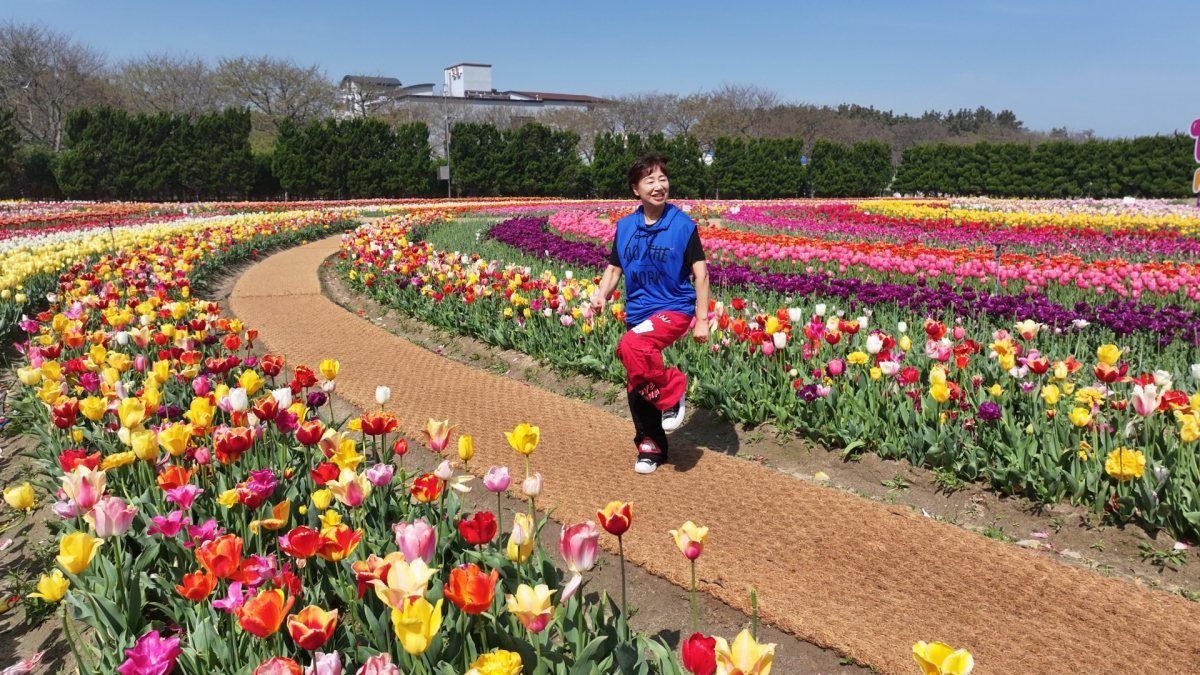
In the second installment of EBS1’s Korea Travel series, Adults' Diversions, the camera follows Kim Hyun-hwa, a package delivery driver on Imjado in Sinan County, South Jeolla Province, who has become the island’s leading advocate for shuffle dance.
Three years after she stumbled onto shuffle dance online, Kim found new energy in island life. The episode traces her journey and the appeal of the so‑called "rabbit dance," which has brought laughter and renewed vitality to many middle‑aged residents.
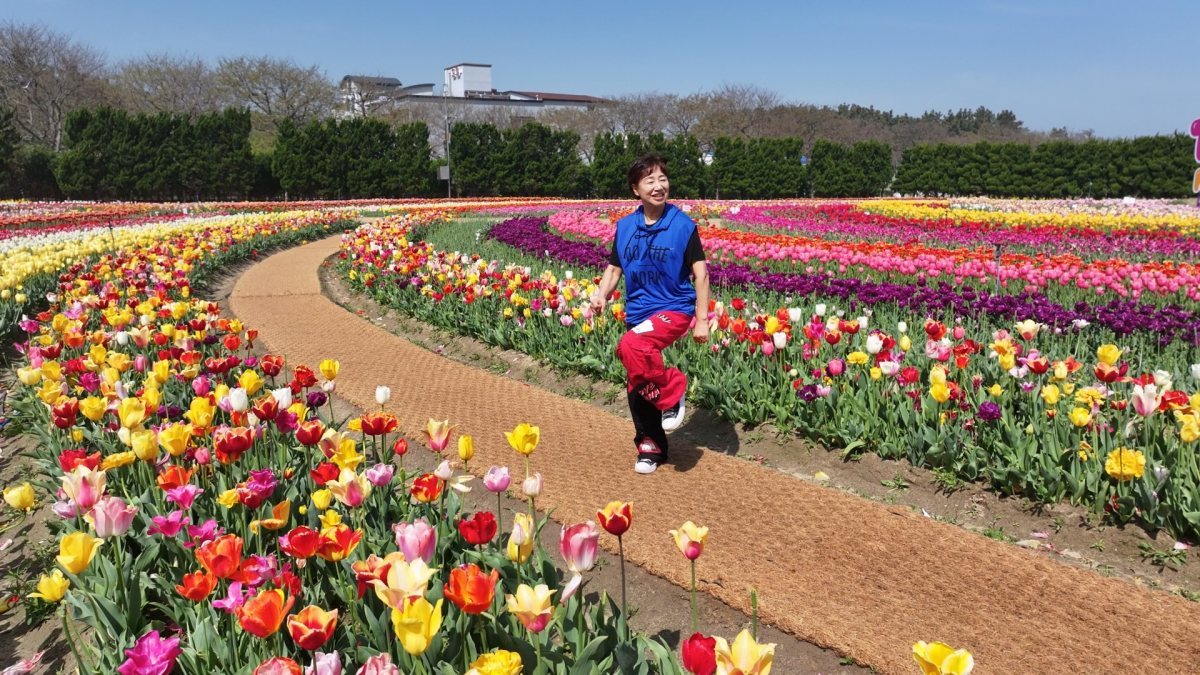
'Korea Travel' — Adults' Diversions, Episode 2: Shall We Shuffle Together?
Shuffle dance — a brisk, foot‑focused style often nicknamed the rabbit dance — has surged as a fresh source of energy for middle‑aged adults. One figure at the center of this trend is 57‑year‑old Kim Hyun‑hwa. She and her husband deliver packages across Imjado, but Kim has also taken on the role of island evangelist for shuffle dance, spreading the movement among neighbors and friends.
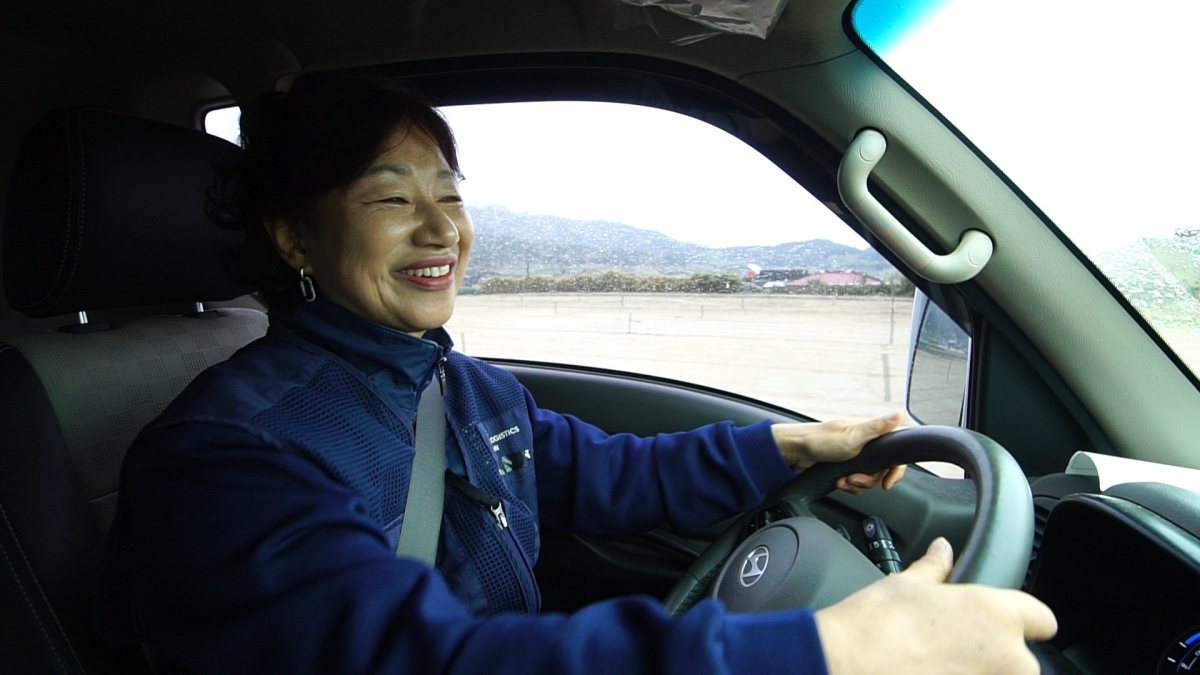
On Imjado — a picturesque island of sea, sand and red‑tiled roofs — Kim takes orders for local farm products and delivers them herself. She films videos teaching shuffle dance across the island, posts them online and runs lessons from her office. Her energy and enthusiasm have made her a well‑known figure: few on Imjado haven’t seen her dance.
Kim’s interest in shuffle dance began three years ago. Two decades after leaving city life and moving to her husband’s hometown, she felt the limits of island life and searched for a way to feel more alive. She discovered shuffle dance online, and when a new causeway made trips to the mainland easier, she began studying and practicing in earnest.
Kim says she never realized how joyful it could be to move her body this way. She smiles more, and even the routine of making deliveries feels lighter because she looks forward to practicing the shuffle after work. The trend among middle‑aged adults has spread nationwide: communities now host shuffle festivals aimed at older age groups. What began as a physical activity has become a hobby culture that brings social connection and renewed purpose, and its popularity shows no sign of fading.
What is shuffle dance? A closer look at the upbeat footwork
When the tempo quickens, the toes respond first. Dancers lightly brush the floor with the balls of their feet, execute alternating front‑and‑back steps and perform moves that can look like running in place. In Korea the style is often called the rabbit dance because the brisk, hopping footwork is visually striking. Fundamentally, shuffle dance centers on fast, rhythmic foot movement.
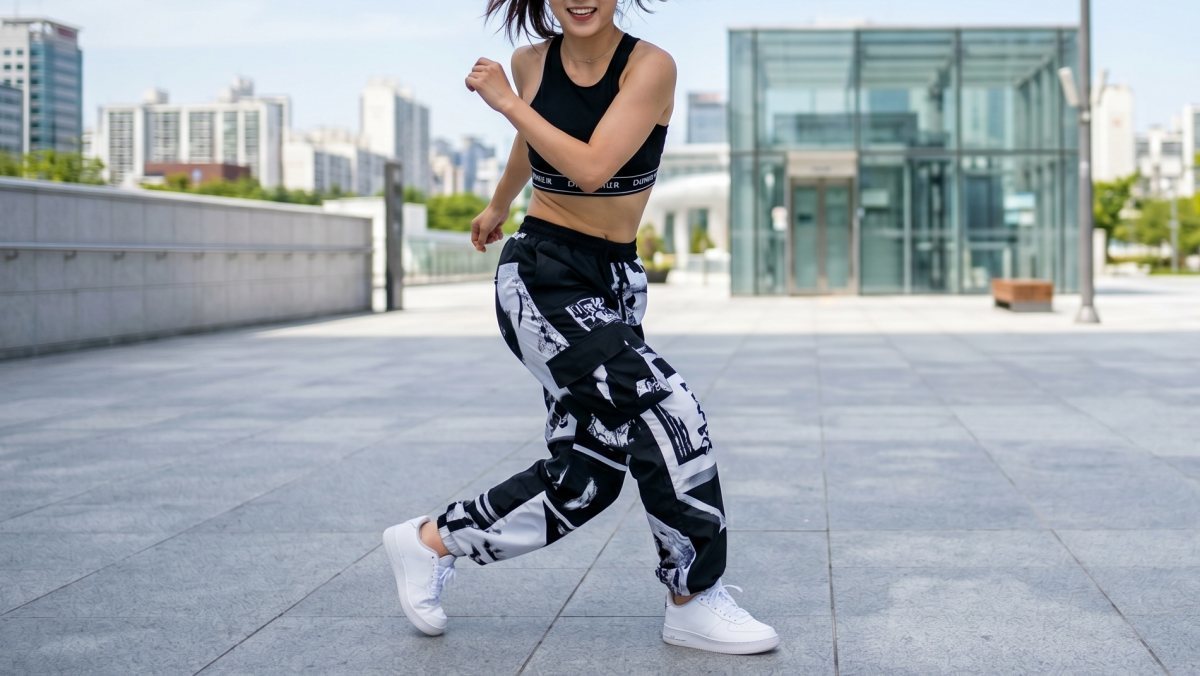
Shuffle dance generally traces back to the Melbourne shuffle, a style that emerged from Melbourne’s rave and club scene in the late 1980s and early 1990s. It emphasizes repetitive footwork that rides the beat. Common moves include the T‑step, where one foot anchors while the other moves, and the Running Man, which mimics running in place. Dancers combine these steps with arm movements, spins, jumps and slides.
The essence of shuffle dance is rapid footwork. Dancers alternate between toes and heels and repeat steps while maintaining their center of gravity. Even when using the same basic moves, the dance’s look can vary with tempo, direction and arm motion. That adaptability encourages dancers to personalize steps rather than stick to a fixed routine.
The nickname rabbit dance is a popular label rather than an official genre name. Broadcasters and online creators use it because the quick, springy footwork resembles hopping. Still, the dance is typically referred to as shuffle dance or the Melbourne shuffle.
Shuffle dance often pairs with electronic music. The Melbourne shuffle is tied historically to electronic music, raves and club culture. As online video platforms spread tutorials and performance clips, creators now produce shuffle dance content set to many different musical styles. The clear footwork and strong rhythmic pulse make short shuffle clips especially well suited to online viewing.
You don’t need a wide stage to practice shuffle dance. Basic steps can be learned in small spaces. But because the dance demands fast foot motion and frequent changes of direction, floor surface and shoe choice matter. Slippery floors can undermine balance, and accelerating too quickly can strain ankles and knees. Beginners should slow the music, focus on foot direction and find their center of gravity before increasing speed.
Although shuffle dance began in club culture, it now reaches a broad audience through online videos, broadcasts and hobby groups. The Korean usage of "rabbit dance" is one local expression. Fast footwork, repeating steps and the ability to adapt to different music are the qualities that define shuffle dance.
EBS's long‑running flagship documentary 'Korea Travel' records lives and landscapes across the country
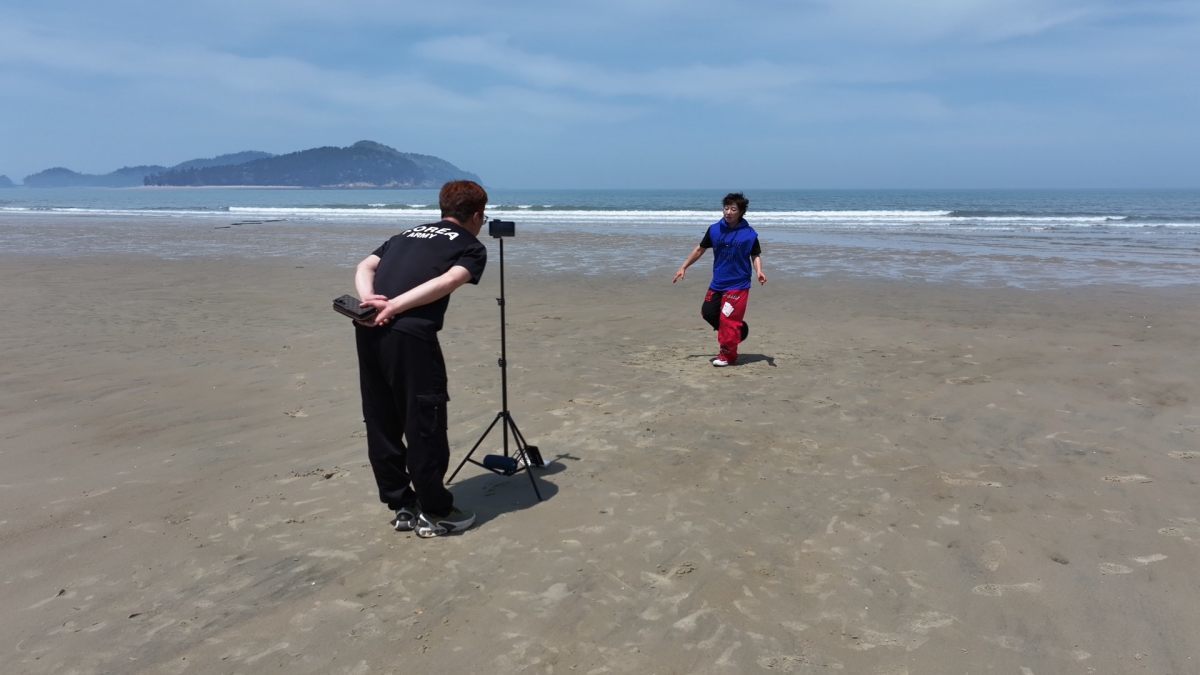
The series selects one major theme each week and unfolds it in five parts. Episodes run about 30 minutes and aim to capture local rhythms and sentiment with a quiet, observant lens.
Korea Travel favors natural moments over heavy staging or sensationalism. It centers on the stories of people encountered in their everyday environments and uses restrained narration to present nature, communities and daily life plainly.
The show traverses a wide range of places: mountain and fishing villages, farming communities, island towns, city alleys and other everyday settings. It introduces viewers to landscapes and local lives they might not easily see otherwise.
Korea Travel currently airs regularly on EBS 1TV. Each week the program continues to document lives and landscapes across the country with new themes and locations.
The program airs Monday through Friday at 9:35 PM. Broadcast information is available on the EBS1 Korea Travel preview page.