[Sports Seoul | Jung Da-wo] It’s like shouting into the void.
Over the past few years, the Korea Professional Football League has been fixated on adding teams, repeatedly admitting regional clubs that clearly weren’t ready for the professional stage. K League 2 opened with eight clubs in 2013 and now lists 17. Across both tiers, the league has grown from 22 to 29 teams, even as some clubs — like Goyang Hi FC and Chungju Hummel — have folded.
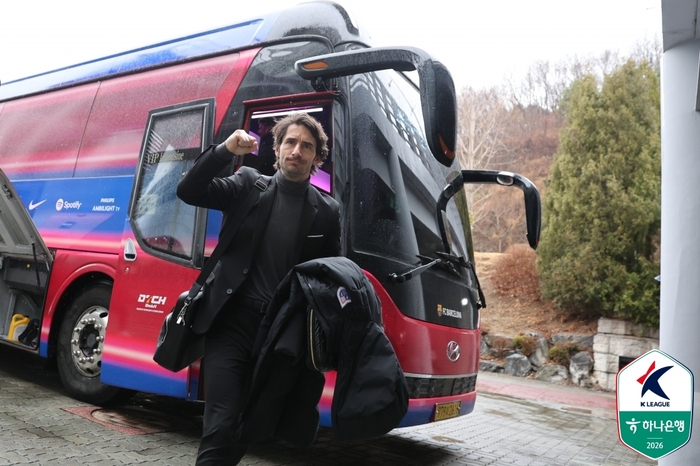
This season added three more expansion teams to K League 2. As warned, administrative chaos has hit some of them and created headaches for the entire league. Paju Frontier FC has been the flashpoint. The club drew sharp criticism after using a bus wrapped in Barcelona crests and sponsor logos for a season-opening away trip. At its home opener, Paju failed to prepare a proper visiting-team dressing room, drawing complaints from the opposing coach. At one point, the club’s deputy director—formerly of a marketing firm—had that firm sending press releases in place of the club’s publicity team, exposing a bewildering internal setup.
This isn’t just one club’s mess. When underprepared teams enter the professional ranks, the league’s brand and reputation take a hit. Paju’s missteps became front-page K League news, and the fallout has been predictably negative.
For more than a decade, critics have raised the same concerns, but the push for expansion continues. The league introduced a K League licensing system to vet applicants, but it often feels like window dressing. If the standards were rigorous and enforced, would a club like Paju qualify?
The association mostly watches from the sidelines. It issues muted rebukes for administrative failures while still approving new clubs. There are already talks of additional expansion in 2027.
Most newcomers are municipal clubs funded by taxpayers. With few corporate-backed teams willing to step up, local governments fill the gap — which fuels the “taxpayer-funded league” jibe and leaves little room for a rebuttal.
Expansion has also triggered serious wage inflation. Average first-division salaries now top 300 million KRW (approximately $225,000). Second-division averages have climbed to roughly 140 million KRW (approximately $105,000) and keep rising. More teams mean players gain leverage and can move to the highest bidder. Many capable players are even looking abroad, forcing domestic clubs to bid up wages for the talent that remains. Public salary disclosure alone won’t stop this inflation.
Despite repeated warnings, little changes. It really does feel like shouting into the void. Fans and insiders can’t help but wonder whether the league values adding clubs more than improving the K League’s brand and quality. weo@sportsseoul.com