Gimhae City’s resident learning clubs are being recognized as an effective way to deepen public understanding of rural spatial planning.
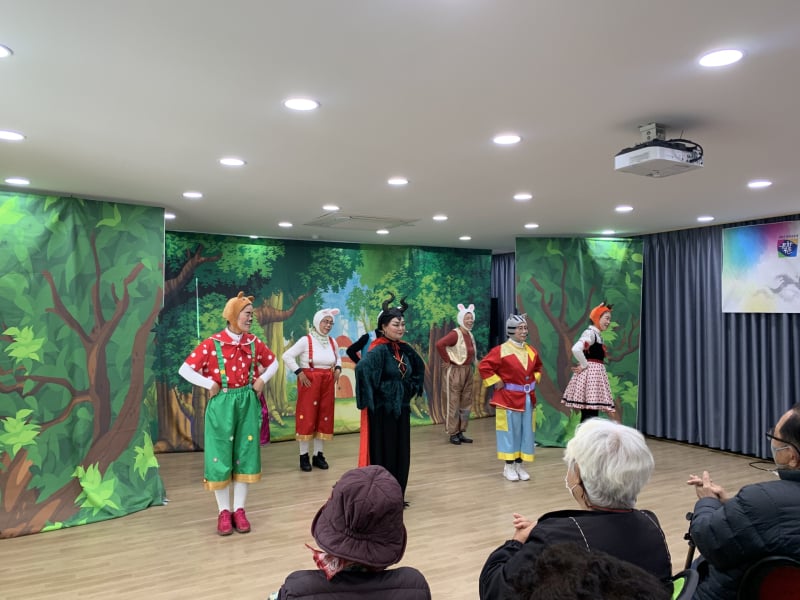
On the 10th, Gimhae announced that three teams in the “Rural Spatial Planning Resident Learning Clubs” — the Jinyeong Chan-sae Naegol Theater Team, the Saengnim Sarang Theater Team, and the Hwajeon Village “Grandmothers Who Tell Stories” Team — completed scripts for three community-written plays about rural spatial planning and have begun full-scale performances.
Since February, the city and the Gimhae Rural Revitalization Support Center (designated as the Rural Space Basic Support Institution) have jointly planned and backed the clubs as part of a municipal capacity-building initiative from the Ministry of Agriculture, Food and Rural Affairs. The clubs have operated as resident-led programs at local hub facilities for rural development projects — Jinyeong-eup’s Harmony Town, Jinrye-myeon’s Culture Development Center, and Saengnim-myeon’s Mucheok Sarang Center — with the goal of improving understanding of rural spatial planning and expanding public participation.
Although the city has held numerous public briefings about rural spatial plans prepared under the Act on Restructuring and Regeneration Support for Rural Areas, residents reported that items such as community agreements and rural specialty zones were difficult to understand and too technical.
The newly completed scripts are original, community-created works written carefully by club members who drew on their personal attachments to rural life. The three plays — “Daebak,” which captures change and development in rural spaces; “Let’s Design It!,” which explains the concept of rural specialty zones; and the children’s fairy tale “Fox Maru and the Big Change in the Green Forest Village” — have all entered the performance phase. After staging and rehearsals conclude in May, the city plans to open the performances to the wider public to underline the need for rural spatial planning and clarify the policy direction.
Gimhae officials say the project is intended to lower psychological barriers to rural spatial planning and to help build resident governance at the neighborhood level. Based on the clubs’ outcomes, the city plans to expand participatory programs and to sustain and broaden resident involvement throughout the planning process.
“Rural spatial planning can be effective only when it goes beyond technical understanding and secures residents’ empathy and agreement,” Gimhae City said. “We will support these learning clubs so residents can diagnose and deliberate on local issues themselves and develop into core members of future resident-participation planning teams.”