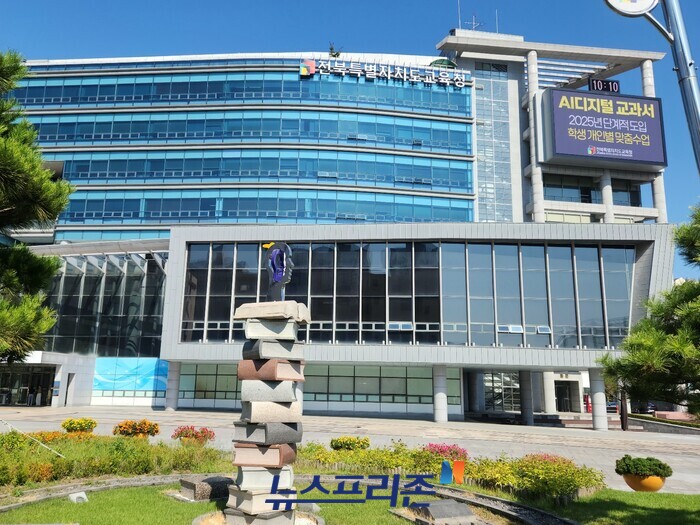
Across Jeonbuk, schools are shifting from punitive responses toward relationship-centered approaches to resolving conflicts. The Jeonbuk Special Self-Governing Provincial Office of Education is expanding its Relationship Mediation Support Team to mediate student disputes and help rebuild school communities—an indication of changing practices in how schools address violence.
The office said it will increase the Relationship Mediation Support Team from 52 members to 94 this year to institutionalize the relationship-restoration deliberation system and promote relationship-centered behavioral education.
The support team will intervene quickly when everyday conflicts or minor incidents of school violence occur. Members will mediate disputes, facilitate the restoration of relationships between harmed and harming students, and support recovery across the school community. The initiative seeks educational resolutions that prevent recurrence rather than defaulting to simple disciplinary measures.
Beginning this year, the relationship-restoration deliberation system will expand from lower elementary grades (1st–3rd) to all grades in elementary, middle and high schools. To reinforce on-site support, the office has substantially expanded the mediation team.
The team is composed of counseling professionals, retired teachers, former police officers and practitioners with hands-on experience in school-violence response. After completing mediation-specialist training provided by the provincial office, members will carry out conflict-mediation duties in schools.
The program is already producing measurable results. Last year the team participated in mediation for 151 school-violence cases and concluded 127 of them by agreement—an approximately 85% resolution rate. That outcome suggests the policy shift from disciplinary procedures toward educational resolution is yielding tangible benefits.
The office expects the expanded team to strengthen close, on-site responses to minor school-violence incidents, improve students’ ability to adapt to school, and contribute to the restoration of school communities.
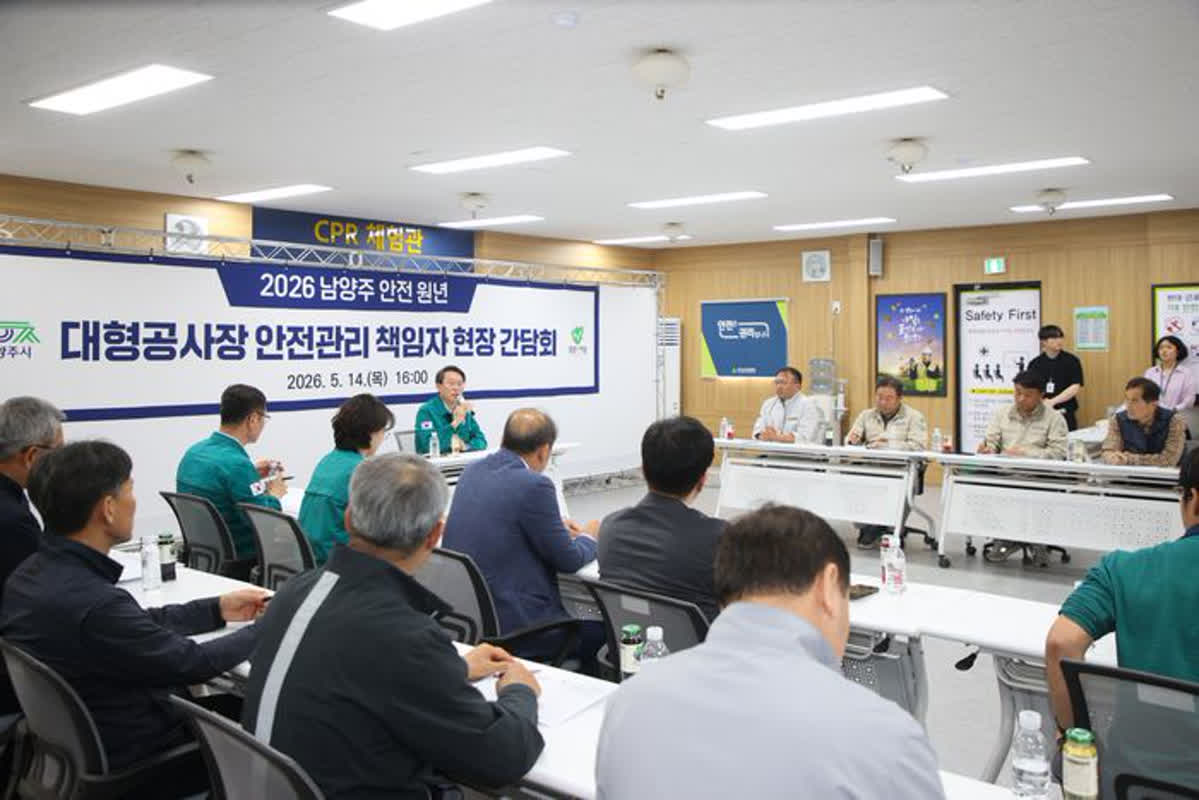
In line with the expansion, the Jeonbuk Office of Education held an appointment ceremony for the Relationship Mediation Support Team on the 10th at the Peace Hall of Chimyeongjasan Sacred Site in Jeonju, where officials outlined this year’s operational direction and roles.
Jeong Mi-jeong, head of the Democratic Citizen Education Division, said, "It is important to cultivate a school culture that resolves conflicts through education rather than punishment. By expanding the Relationship Mediation Support Team and strengthening its capacity, we will help students heal conflicts and address wounds within the school community."
Educators are watching to see whether this approach will shift school-violence response from punishment to relationship restoration. If early mediation and community-recovery measures become firmly established in schools, the change could influence violence-prevention efforts and help spread an educational model for resolving such incidents.