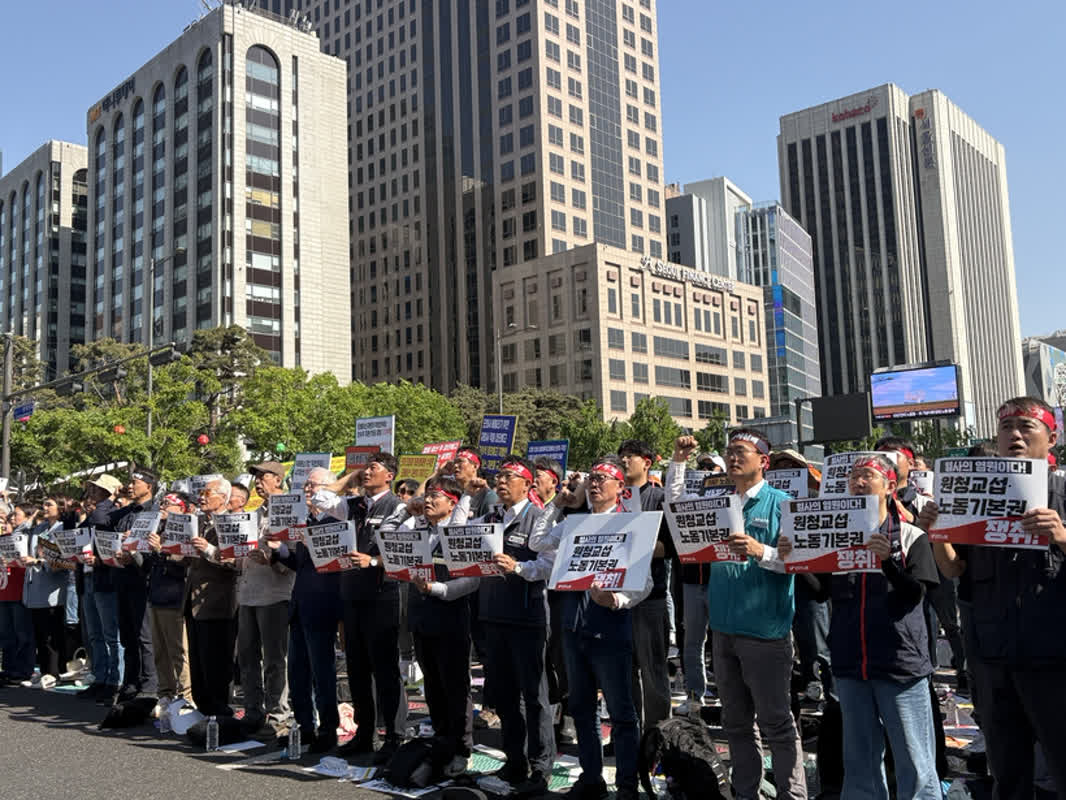
Samsung Electronics’ management and its union resumed talks over performance bonuses for two days, from the 11th to the 12th — 45 days after negotiations broke off in March. But strike fatigue runs deep among members, and calls to reach a deal with management have surfaced across the union.
During the two-day sessions, management and the union are expected to engage in intense debate over the criteria and size of any performance payouts. Separately, however, internal divisions and complaints about union leadership have become apparent.
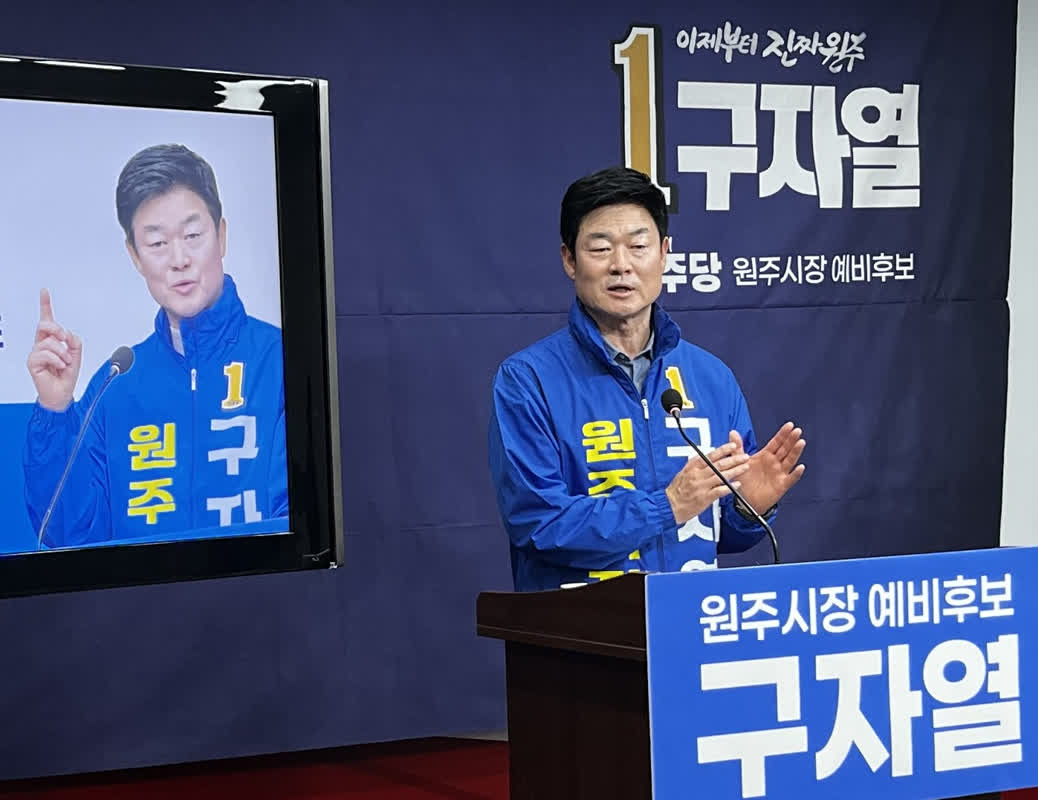
The largest union at Samsung Electronics, the Samsung Group Trans-Company Union — Samsung Electronics branch (the Trans-Company Union), led by Chair Choi Seung-ho, counts roughly 80% of its members in the Device Solutions (DS) division, which oversees the semiconductor business.
Many rank-and-file members say they are worn down by the leadership’s hardline stance under Chair Choi. If the leadership continues to prioritize principle over compromise and repeatedly allows talks to collapse, its internal support base could begin to erode.
Some members in the Device Experience (DX) division, which handles finished products, criticize the Trans-Company Union for relying on its majority standing and focusing almost exclusively on expanding DS bonuses, while failing to reflect the demands of DX members.
Last week, posts on the company’s internal community complained that the Trans-Company Union had again shut out DX and that not a single member of the post-adjustment bargaining committee represented DX’s voice.
Against this backdrop, the National Samsung Electronics Labor Union (Jeonsamno), the company’s second-largest union with about 17,000 members, faces growing pressure to revoke the bargaining mandate it delegated to the Trans-Company Union.
Critics argue the Trans-Company Union is concentrating solely on the DS bonus fight and effectively ignoring DX members’ concerns.
On the anonymous platform Blind, email-verified Samsung employees posted: Don’t be so stubborn — take what’s reasonable and step away. With everyone shouting, (Chair Choi Seung-ho) can’t be in his right mind. Isn’t this when Jeonsamno should step in? and Jeonsamno should resolve this now.
Another Blind post warned that if a strike proceeds, it could inflict not only corporate losses but also damage stock prices and investors’ assets. The post suggested Jeonsamno, as a bargaining representative, could broker a pragmatic, win‑win settlement.
Other posts urged: Please don’t let negotiations collapse; the union leadership should make a decision and reach an agreement; don’t escalate this — settle at a reasonable level. Concerns also surfaced that losses could approach 30 trillion KRW (22.5 billion USD), that the situation is getting out of hand, and that a strike might unsettle stock prices at a time when personal and retirement pensions have already struggled to capture gains during the KOSPI rally.
Regarding the two-day talks beginning on the 11th, Blind users urged the leadership to act: We can’t even grasp how many tens of trillions in losses that implies — a strike would be too risky. I respect what they’ve fought for so far, but now it’s time to take what’s reasonable and walk away.
Blind also featured posts, apparently from DX members, saying: Return the bargaining mandate to Jeonsamno and let them negotiate — everyone will be better off; I’m fed up with the Trans-Company Union’s greed; and From DX’s perspective, with talks already broken and post-adjustment looming, does the Trans-Company Union still have the legitimacy to remain the bargaining representative?
Public opinion has also turned against the current Samsung Electronics union leadership.
A recent poll by a public-opinion research firm found 74.3% of respondents consider Samsung’s demand for performance bonuses equivalent to about 15% of operating profit to be excessive, and a Realmeter survey showed 69.3% view the Samsung strike as inappropriate.