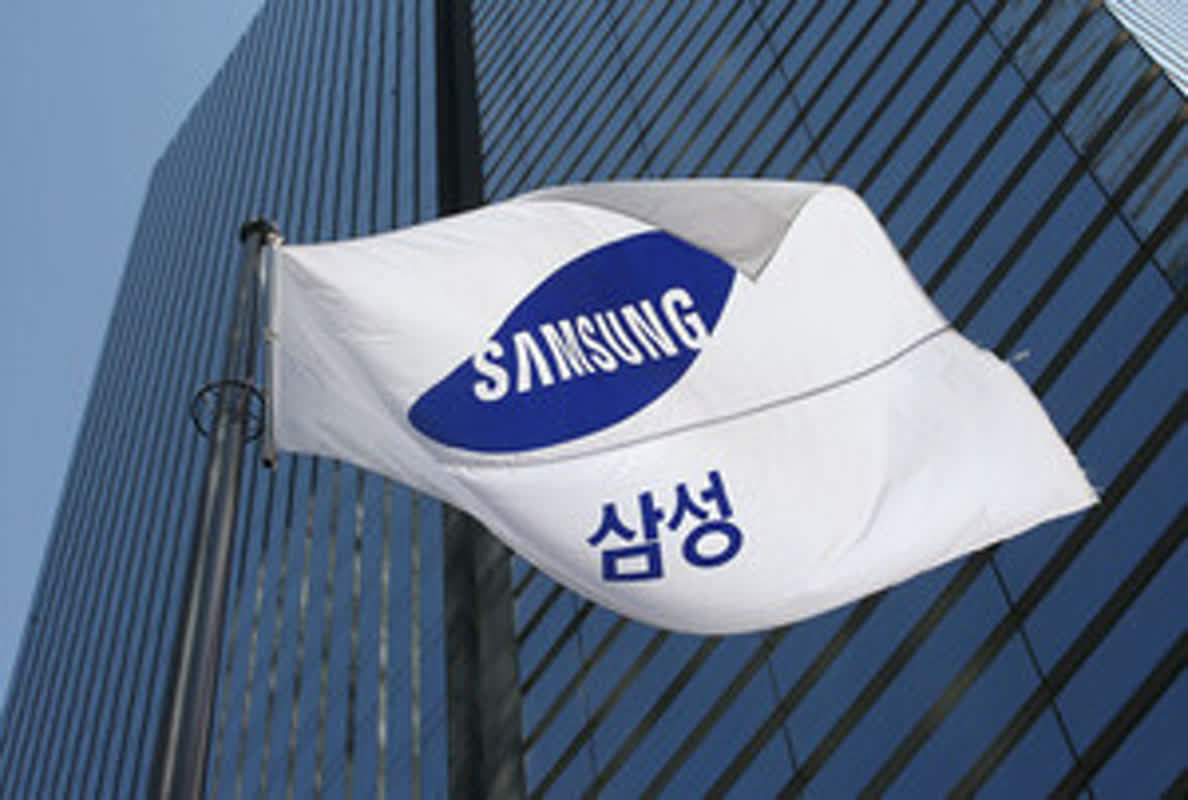
Samsung Electronics union members, after the union announced a full strike, say the proposed bonus increases favor only semiconductor workers. That perception has accelerated resignations among members in non‑semiconductor divisions.
The union leadership said it would pay staff who work during the strike up to 3,000,000 KRW (approximately $2,250). That pledge, combined with a steep increase in union dues during the dispute period, has ignited long‑standing grievances among members.
Industry sources said on May 3 that withdrawal requests on the cross‑company union's Samsung branch bulletin board have surged. Where daily requests had been under 100, they topped 500 on the 28th and exceeded 1,000 on the 29th of last month.
The exodus has intensified as employees share confirmation posts on internal message boards and anonymous workplace apps.
Employees who left the union complain the cross‑company union has focused almost exclusively on the interests of Device Solutions (DS) division members, who oversee Samsung's semiconductor operations, while ignoring demands from other divisions.
As Samsung's only majority union, the cross‑company union is leading the strike with DS employees—who account for about 80% of its membership—as its core force.
But in preparing for the strike, the union demanded the company pay DS employees 15% of operating profit in bonuses, with no cap.
By contrast, it set no compensation terms for the Device Experience (DX) division, which has posted relatively weak results.
DX, which handles finished products, saw operating profit fall 36% year‑over‑year in the first quarter, a decline analysts attribute in part to DS's semiconductor price increases. Some warn DX could post an annual operating loss this year.
If the union's original demands were accepted, DS employees could receive bonuses approaching 600,000,000 KRW (approximately $450,000) per person this year.
By contrast, DX employees face the threat of deep restructuring and business reorganization rather than bonus payouts.
Samsung says it cannot agree to lift the bonus cap in part because doing so would risk inflaming severe division‑level tensions.
Complicating matters, the union is demanding the same bonus treatment for DS's loss‑making foundry and System LSI units—simply because they fall under the DS umbrella.
That stance has further inflamed DX members' sense of relative deprivation.
Within DX, critics accuse the union leadership of cynically prioritizing DS unity to maintain majority status and push an aggressive strike, effectively sidelining the smaller DX group.
Amid this turmoil, the cross‑company union began recruiting strike staff by offering a special allowance of up to 3,000,000 KRW (approximately $2,250) to members who work at least 15 days during the action, a move that deepened the rift.
Members who learned of the offer recalled the leadership's surprise fivefold increase in union dues last January—from 10,000 KRW (approximately $7.50) to 50,000 KRW (approximately $37.50) per month—ostensibly to build a fund to guarantee positions during disputes, and reacted with anger.
Non‑semiconductor members asked whether dues should be raised fivefold to cover the leadership's legal defense costs and then fund generous staff allowances while ignoring DX members' interests.
As this worker‑against‑worker conflict deepens, analysts warn the union risks losing legitimacy and that the strike's justification could unravel.
Still, DX members account for roughly 20% of the union's some 74,000 members, so many observers say the majority‑backed union is still likely to carry out the strike as planned.
A Samsung employee said, \"The conflict among workers has become so severe that even colleagues within the semiconductor division have stopped talking to one another over union membership. I just hope the situation is resolved reasonably and the company's organizational culture returns to normal unity soon.\"