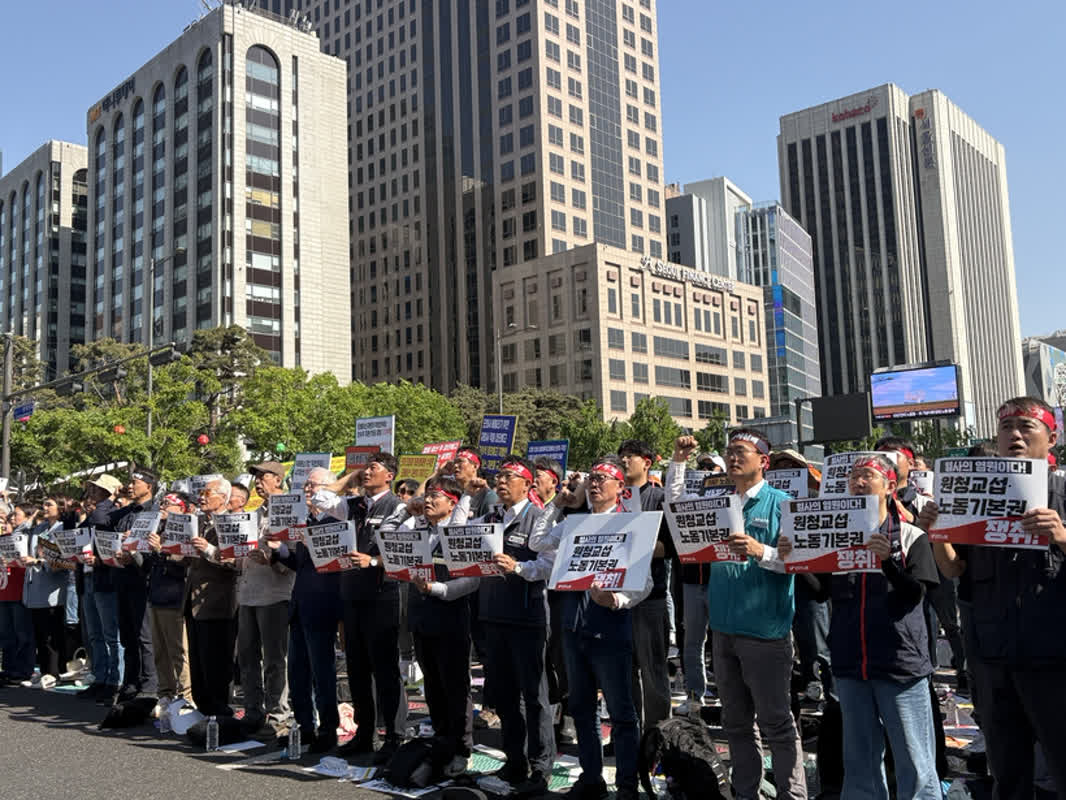
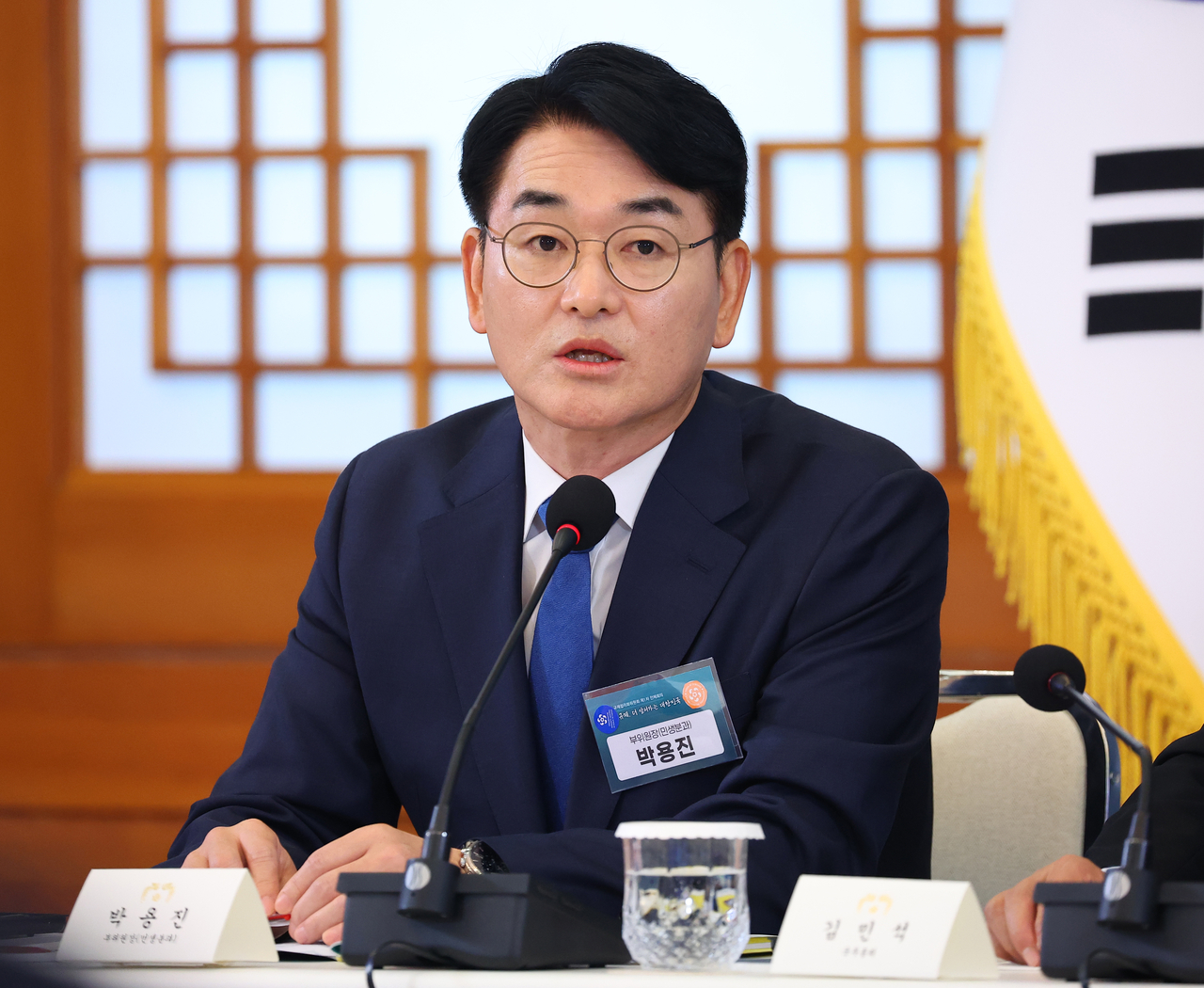
 [Herald Business=Reporter Moon Young-gyu] Park Yong-jin, vice chair of the Regulatory Rationalization Committee and once labeled “Samsung’s nemesis,” criticized both the Samsung Electronics union—which has threatened an all-out strike—and company management, calling the dispute “a bitter family fight.”
On May 3, Park wrote on his Facebook page that the Samsung Electronics union is threatening a strike as it presses for changes to performance-pay distribution and the removal of payout caps, and that he finds the negotiation process “very bitter.”
Park questioned why the union’s bargaining table excludes the suppliers, subcontractors and in-house temporary workers who helped produce Samsung’s outsized results. He noted that when Samsung faced hard times, those partners absorbed pain by accepting lower prices or reduced orders, and asked why they are not being invited to share in the rewards now.
“Isn’t Samsung’s astronomical operating profit the result of contributions from many related companies and workers?” he said. “Shouldn’t those gains be shared? Why hasn’t anyone proposed raising contract prices, creating shared-growth funds, supporting welfare facilities at partner firms, or increasing wages for in-house temporary workers?”
He added that it is disquieting to see people lock their gates and indulge in private feasts instead of inviting the neighborhood to share the windfall. “Frankly, I’m uncomfortable watching this internal bickering,” he said.
Park urged the union to embrace a spirit of worker solidarity.
Invoking labor activist Jeon Tae-il, Park recalled that Jeon once spent his bus fare to buy fried bread for hungry young female factory workers and then walked home the long way from Pyeonghwa Market to Chang-dong. “If Korea’s unions claim to follow Jeon Tae-il, they must think of the powerless, of those in harsher jobs, and of workers outside organized unions,” Park said.
“It’s acceptable to look after yourself first,” he added, “but if you intend to look after only yourself, then you should erase Jeon Tae-il’s name from the start.”
He also called on Samsung’s management to pursue shared growth initiatives.
“I ask Samsung—the country’s overwhelmingly dominant company—to use part of these operating profits to propose shared-growth measures first for partner firms and in-house temporary workers,” Park said. “Conservative governments have talked about trickle-down effects, but we’ve never seen them. It would be good if Samsung could demonstrate that ‘fountain effect’ first.”
Park argued that going beyond a narrow labor-management dispute and contributing to the national economy would be a fitting way for Samsung to repay the substantial public support it has received. He pointed out that the government and taxpayers have provided tax incentives, favorable financial policies, access to power and industrial water, and land development assistance to support Samsung’s operations, and that the company knows how much public support and accommodation it has benefited from. “In that sense, Samsung belongs not only to labor and investors but to the nation,” he said.
He warned that he is not the only citizen who feels uneasy and bitter watching a strike over bonuses. “If both Samsung and the union do not understand and heed that uneasy public gaze, that discomfort will turn into anger,” he said.