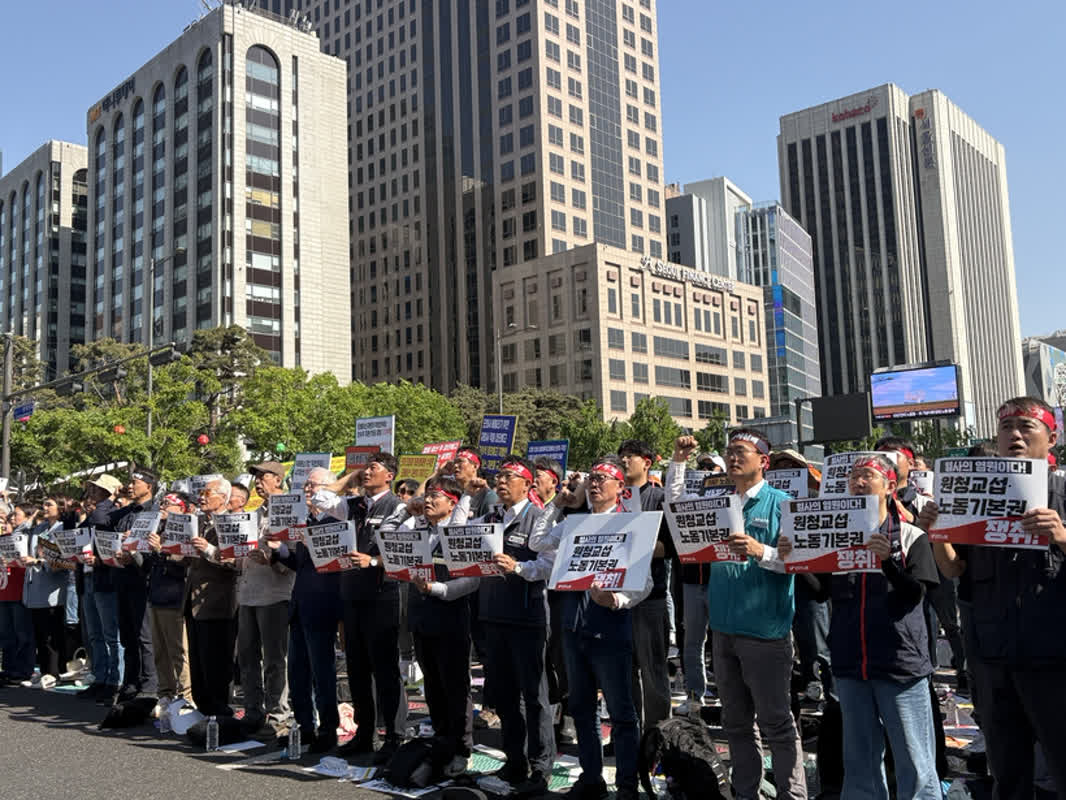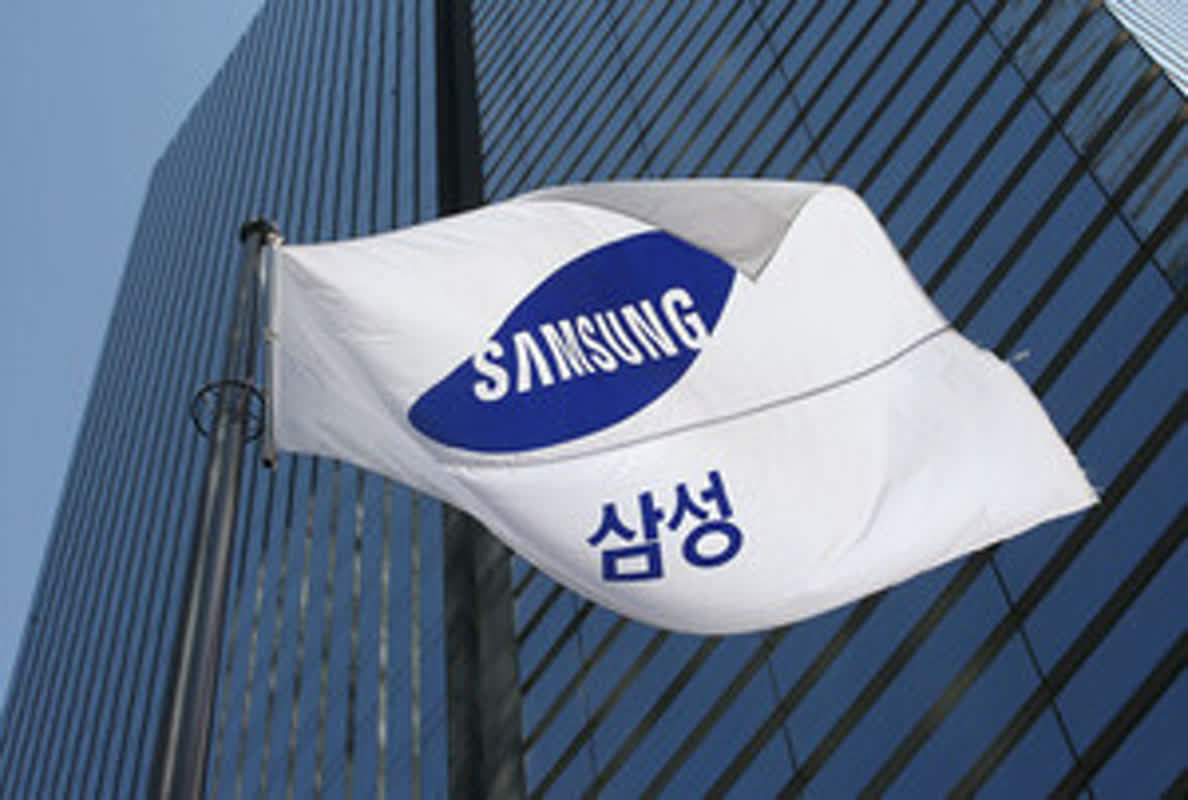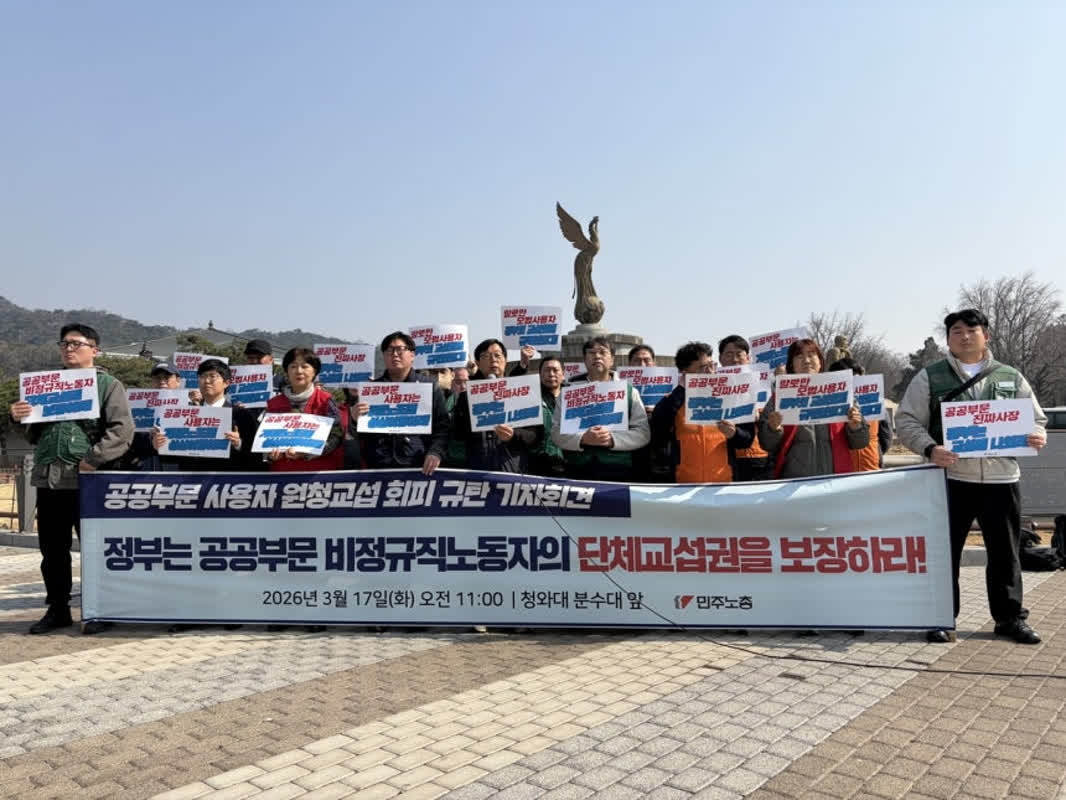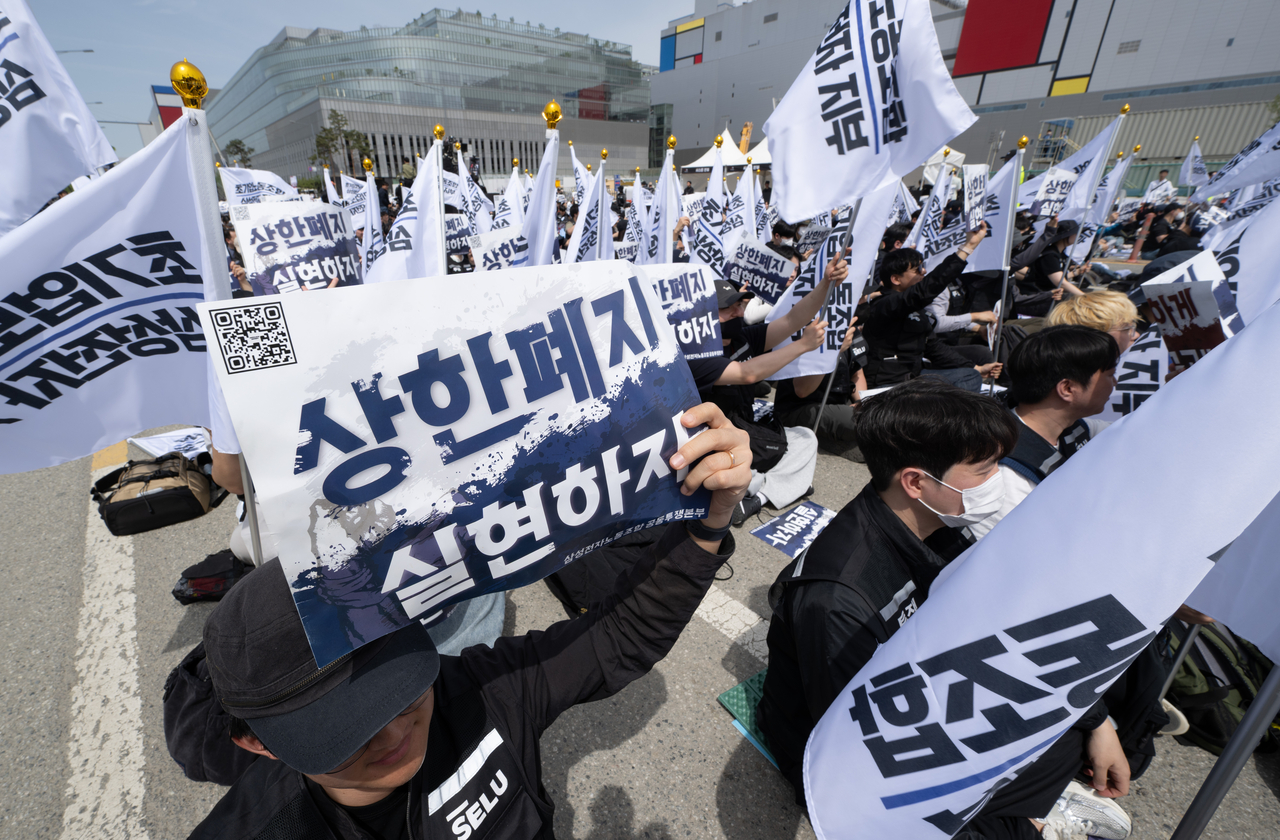
 Samsung Electronics’ cross‑company union has announced plans for a rally in front of Chairman Lee Jae‑yong’s residence and coordinated site occupations on the first day of a general strike next month, May 21. Analysts warn the move could deliver a substantial shock to the semiconductor supply chain and to external confidence in the company.
Herald Economy’s reporting shows the Samsung Electronics cross-company union has notified authorities that it will hold a rally in front of Chairman Lee Jae‑yong’s residence and occupy worksites on the first day of its general strike, scheduled for May 21. The union warned the action could inflict significant damage on the semiconductor supply chain and broader external confidence.
According to Herald Economy reporting, the Samsung cross‑company union filed a notice with the Yongsan Police Station in Seoul on the 24th for a rally at 1 p.m. on May 21.
The union filed a notice with the Yongsan Police Station in Seoul on the 24th to hold the rally at 1 p.m. on May 21.
Although the notice lists about 50 participants, the union said roughly 500 people will gather in a press‑conference format and then disperse to occupy each site, while additional members will join the general strike by walking off the job and leaving their workplaces.
Although the notice lists about 50 participants, the union said roughly 500 people will gather in a press‑conference format and then disperse to occupy each site, while additional members will join the general strike by walking off the job and leaving their workplaces.
A union official said the press conference urged the chairman to enter talks, but he has not responded. “We want to hold him accountable for taking no action while labor‑management relations head toward collapse,” the official said, explaining the reason for the planned rally outside the chairman’s home.
A union official said, “We urged the chairman to enter talks at the press conference, but he has not responded. We want to hold him accountable for taking no action while labor‑management relations head toward collapse,” explaining why they intend to rally in front of his home.
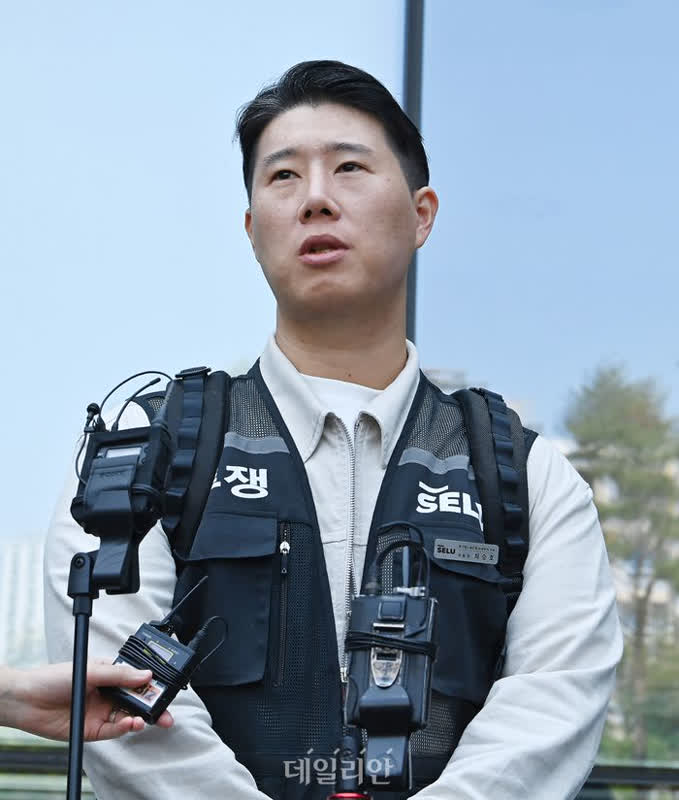
Earlier, after a rally at Samsung’s Pyeongtaek campus on the 23rd, Choi Seung‑ho, chair of the cross‑company union, told reporters that the chairman “also bears responsibility for the breakdown in labor relations” and urged him to come out and speak candidly.
Earlier, after a rally at Samsung’s Pyeongtaek campus on the 23rd, union leader Choi Seung‑ho told reporters that the chairman “also bears responsibility for the breakdown in labor relations” and urged him to come out and speak candidly.
The Korea Shareholders Action Headquarters, which opposes the Samsung union’s actions, also told police it will hold a counter‑rally that morning in front of the chairman’s home, making local clashes likely. The group said it organized the counter‑demonstration out of concern that a Samsung strike could harm national semiconductor competitiveness and shareholder value.
The Korea Shareholders Action Headquarters, which opposes the Samsung union’s actions, also told police it will hold a counter‑rally that morning in front of the chairman’s home, making local clashes likely. The group said it organized the counter‑demonstration out of concern that a Samsung strike could harm national semiconductor competitiveness and shareholder value.
The shareholders’ group said, “With demands for 40 trillion KRW and the prospect of closing one of the world’s top semiconductor fabs, Samsung’s five million shareholders can no longer sit idly by — we stand on a razor’s edge.” It added, “A full shutdown of Samsung’s plants would cause irreversible financial, industrial, national and shareholder losses.” (40 trillion KRW ≈ $30 billion USD.)
The shareholders’ group said, “With demands for 40 trillion KRW and the prospect of closing one of the world’s top semiconductor fabs, Samsung’s five million shareholders can no longer sit idly by — we stand on a razor’s edge.” It added, “A full shutdown of Samsung’s plants would cause irreversible financial, industrial, national and shareholder losses.” (40 trillion KRW ≈ $30 billion USD.)
The shareholders’ group also plans solo protests outside the courthouse on the day of the injunction hearing Samsung filed against the union. “We can no longer leave Samsung solely to management, workers or the government,” the group said. “Shareholders must unite to protect Samsung’s assets, value and future.”
The shareholders’ group also plans solo protests outside the courthouse on the day of the injunction hearing Samsung filed against the union. “We can no longer leave Samsung solely to management, workers or the government,” the group said. “Shareholders must unite to protect Samsung’s assets, value and future.”
Industry and academics have criticized turning a private residence into a protest site as outside the scope of legitimate labor action and warned the dispute could generate economic losses on the order of tens of trillions of KRW (tens of billions of USD).
Industry and academic observers criticized using private residences as part of a labor campaign as beyond the bounds of legitimate labor action, and warned the dispute could cause economic losses worth tens of trillions of KRW (tens of billions of USD, roughly estimated).
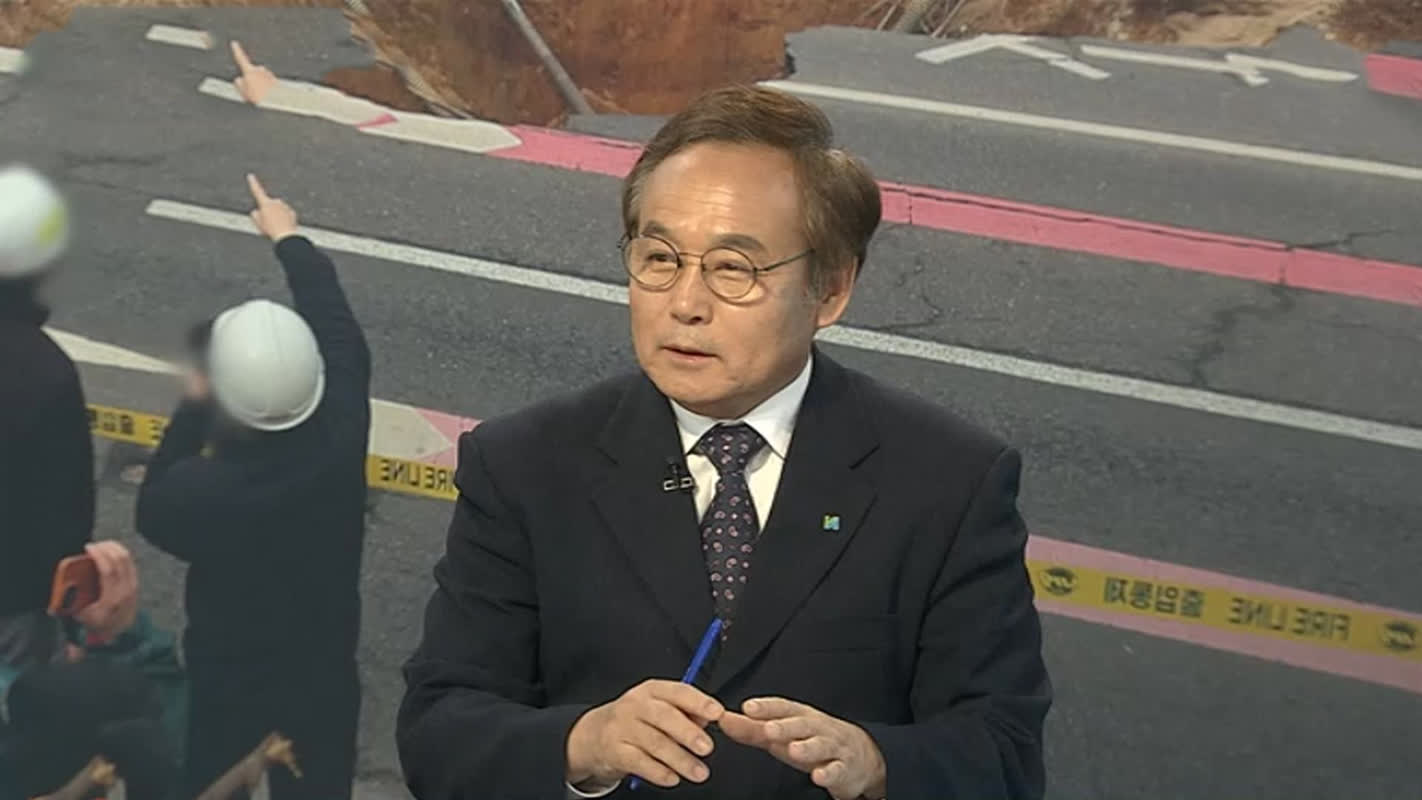
Song Heon‑jae, a professor of economics at the University of Seoul, told a policy forum on the 23rd that losses from a factory shutdown could amount to several billion KRW per minute and roughly 1 trillion KRW per day. If the strike is prolonged, operating profit in the semiconductor division alone could fall by as much as 10 trillion KRW.
Song Heon‑jae, an economics professor at the University of Seoul, told a policy forum on the 23rd that losses from a factory shutdown could reach several billion KRW per minute (several million USD per minute) and roughly 1 trillion KRW per day (≈ $750 million USD/day). He warned that, if the strike drags on, operating profit in the semiconductor division alone could drop by as much as 10 trillion KRW (≈ $7.5 billion USD).
Specifically, he warned of: ▷ the erosion of trust assets ▷ permanent market loss due to switching costs ▷ lost opportunity from delayed investment ▷ talent departures and declining morale ▷ and heightened national risk — invisible costs that could translate into catastrophic damage.
Song said the hidden costs — the erosion of trust, permanent market loss due to switching costs, lost opportunity from delayed investment, talent departures and morale decline, and heightened national risk — could translate into catastrophic damage.
“If strikes halt production and raise supply uncertainty, global big‑tech customers will look to diversify risk and consider alternative suppliers such as TSMC,” Song said. “Given the huge time and cost required to qualify new processes in the semiconductor industry, customers who leave once are hard to win back.”
“If strikes halt production and raise supply uncertainty, global big‑tech customers will look to diversify risk and consider alternative suppliers such as TSMC,” Song said. “Given the huge time and cost required to qualify new processes in the semiconductor industry, customers who leave once are hard to win back.”
In practice, AMD already includes supply‑chain resilience in its ESG (environmental, social, governance) assessments, and Nvidia directly factors quarterly or semiannual supplier evaluations into volume allocations. Because major customers scrutinize supply stability so closely, production disruptions from a strike could quickly cost a supplier its global leadership position.
In practice, AMD already includes supply‑chain resilience in its ESG (environmental, social, governance) assessments, and Nvidia directly factors quarterly or semiannual supplier evaluations into volume allocations. Because major customers scrutinize supply stability so closely, production disruptions from a strike could quickly cost a supplier its global leadership position.
Song warned, “Semiconductor technology loses competitiveness if it falls behind even one or two years. While Nvidia, TSMC and Intel fight a high‑stakes race for AI chips, spending resources to manage internal conflict imposes huge opportunity costs — costs the union will ultimately bear as well.”
Song warned, “Semiconductor technology loses competitiveness if it falls behind even one or two years. While Nvidia, TSMC and Intel fight a high‑stakes race for AI chips, spending resources to manage internal conflict imposes huge opportunity costs — costs the union will ultimately bear as well.”
By Park Ji‑young and Kim Do‑yunn