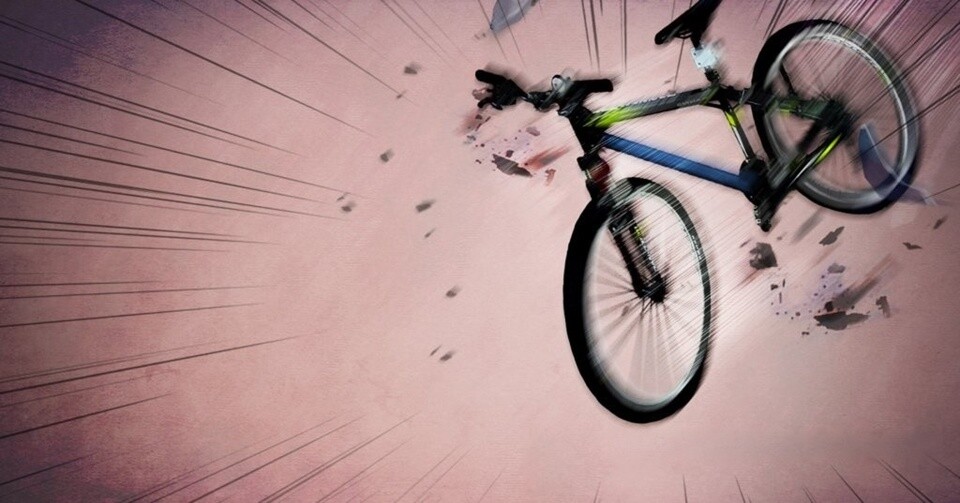
The growing use of brakeless "fixie" bicycles on public roads has left adolescent safety in a blind spot, safety advocates and officials warn.
Incheon Ilbo reporting shows that accidents involving teenagers on bicycles and electric scooters in Gyeonggi Province have risen steadily over the past three years.
The Gyeonggi Provincial Office of Education reported accidents rose from 312 in 2022 to 428 in 2023 and exceeded 500 in 2024. While these modes of transport have quickly become part of daily life, safety oversight has not kept pace.
A key factor behind the rise is the spread of fixie bicycles, which rely on pedal control to slow down rather than conventional brakes.
Experts have long warned that Korea's road conditions make these bikes difficult to operate safely. Despite that, products with inadequate safety features continue to be sold with little enforcement.
The Korea Consumer Agency inspected 20 fixie models sold online and offline and found that 15 (75%) did not have properly installed front-and-rear brakes. 55% had only a front brake, and 20% either had no brakes or required separate installation — indicating that many models on the market fail to meet safety standards.
Field checks in the Seoul metropolitan area confirmed the problem. An inspection of 54 fixies being used in the metro found 87% had inadequate braking systems.
About 30% of those bikes had neither a front nor a rear brake.
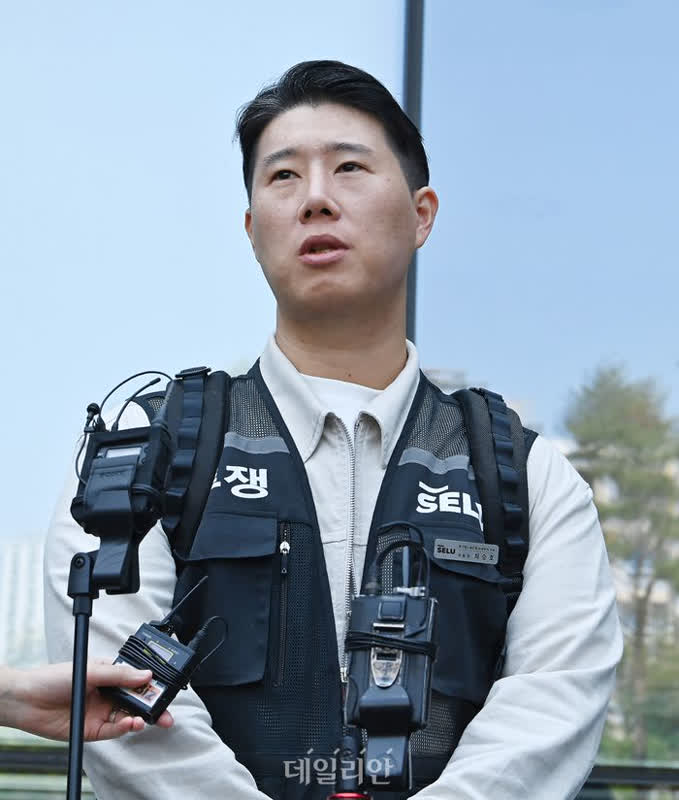
"We never received systematic instruction on bicycle or e-scooter safety at school," said Kim (15), a middle school student in Dongtan. "Most of my friends learn from YouTube or by watching others, so they don't fully recognize the risks. We know we should wear helmets, but few actually do."
Against this backdrop, on the 6th the Gyeonggi Provincial Council published a notice for a proposed ordinance titled "Prevention of Safety Accidents Involving Brakeless Fixie Bicycles," introduced by Lee Young-ju (People Power Party, Yangju 1). The draft ordinance assigns duties to the governor, sets user obligations, authorizes surveys, and calls for accident-prevention programs and designated priority management zones to better protect young people.
Experts say the increase in fixie-related accidents stems not only from rider negligence but from a combination of structural risks and regulatory gaps.
"Fixie bicycles are structurally dangerous on ordinary roads because they lack brakes," said Choi Jae-won, a professor at the Korea Road Traffic Authority. "We need stronger education and active enforcement together."
/ Choi Jun-hee, reporter wsx3025@incheonilbo.com