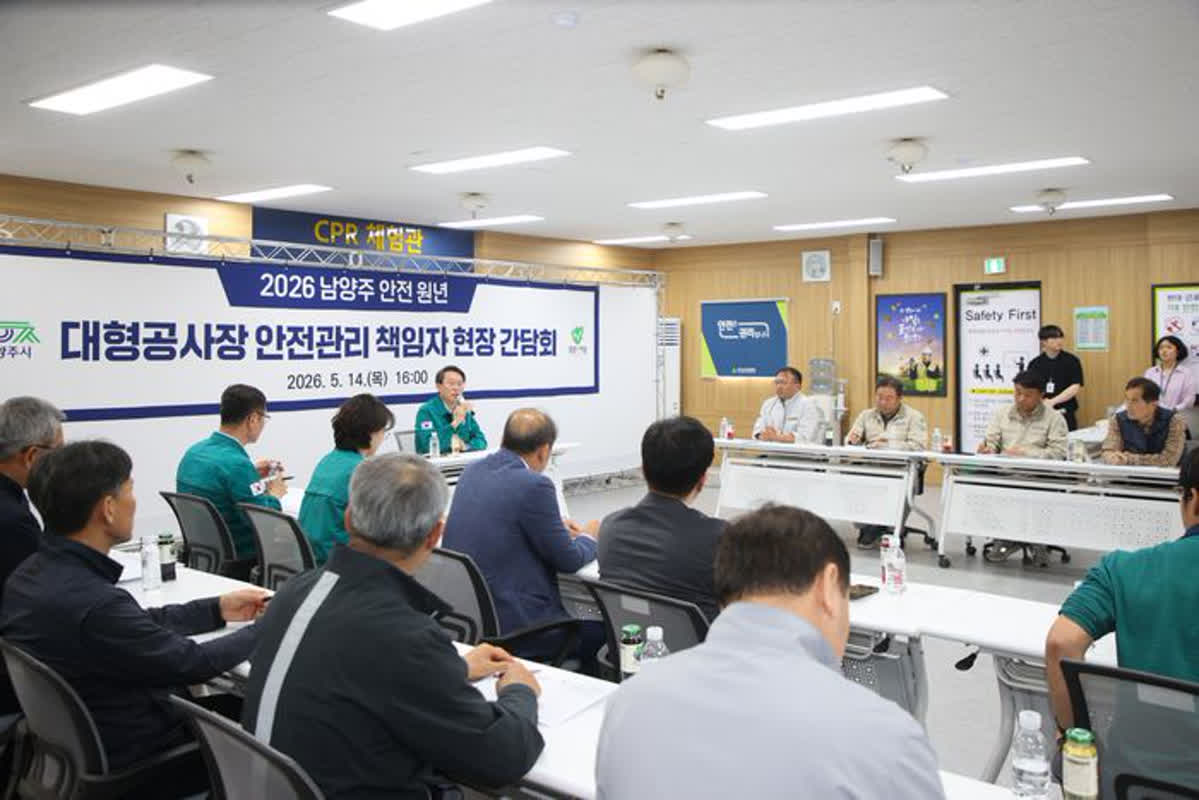
Chaired the "Reading Education in the AI Era" policy forum held on the 24th
In the AI era and amid a literacy crisis, we must restore the core of reading education
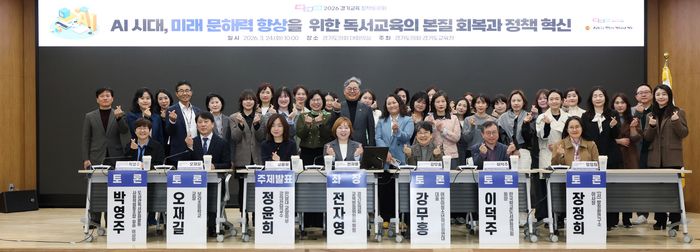
Jeon Ja-young, a member of the Gyeonggi Provincial Assembly’s Education Administration Committee (Democratic Party, Yongin 4), chaired the forum titled "Restoring the Essence of Reading Education and Policy Innovation to Improve Future Literacy in the AI Era" on the 24th in the Gyeonggi Provincial Assembly’s main hall.
The forum opened with congratulatory remarks delivered by Im Tae-hee, superintendent of the Gyeonggi Provincial Office of Education; Kim Jin-gyeong, speaker of the Gyeonggi Provincial Assembly; Lee Ae-hyung, chair of the Education Administration Committee; and Rep. Choi Jong-hyun of the Democratic Party.
Jointly hosted by the Gyeonggi Provincial Office of Education and the Gyeonggi Provincial Assembly, the event also drew Rep. Son Myung-soo (Yongin B). Rep. Son said the momentum from February’s 1st Book Culture Policy Forum at the National Assembly has carried into the Gyeonggi assembly and emphasized the need for policy cooperation between the National Assembly and regional legislatures.
Jeon Ja-young, who chaired the session, said that as AI spreads, the value and public mission of reading education must be reaffirmed and effective, tailored reading-education policies implemented in Gyeonggi schools. She pledged to provide careful support for the necessary systems and budgets backing reading education.
In a keynote, Jeong Yoon-hee, a full-time lecturer in the Department of Liberal Arts at Hannam University and chair of the editorial committee of Publishing Journal, argued that reading should be reframed as core public education that cultivates thinking and judgment—not merely as knowledge acquisition. She called for expanding curricula, legal frameworks, dedicated organizations, and professional staff, and for building a sustainable reading ecosystem that connects homes, schools, and communities.
During the panel discussion, Park Young-joo, chair of SeulSeul, a social cooperative for library reading and cultural activities, said instruction centered on reading and discussion—grounded in literacy—should be strengthened to support adolescents’ critical thinking and emotional balance when using AI, and that this approach should be institutionalized as a core element of public education.
Oh Jae-gil, principal of Bora Elementary School, said schools must reinforce reading instruction that fosters questioning and reflective thinking in the AI era, and that expanding specialized staff and providing systematic support are essential to establishing a school-library-centered reading culture.
Kang Mu-hong, president of the Children’s and Youth Book Culture Solidarity, called for ensuring equal access to book culture, expanding school libraries and librarian-teachers, and strengthening regional reading infrastructure. He argued that reinforcing reading-centered education and lifelong learning can mitigate social disparities and spread a culture of reading.
Lee Deok-ju, president of the Korea School Library Association and a librarian-teacher at Songgok Tourism High School, urged strengthening existing laws and systems and increasing the number of librarian-teachers to enhance educational roles. He recommended that policies supporting collaborative, library-based instruction reflect the deep-reading skills required in the AI era.
Jang Jeong-hee, director of the Bang Jeong-hwan Research Institute, proposed creating a free reading environment that restores the joy of voluntary reading to counter declines in reading and weakened thinking skills in the AI era. She recommended operating school "reading days," guaranteeing reading time, and expanding practical support measures such as book-point programs.
© Dailian Co., Ltd. Unauthorized reproduction and redistribution prohibited