Residents and staff at a residential facility for people with severe developmental disabilities in Yuseong District, Daejeon, have repeatedly reported harms tied to nearby private rental apartment construction. Current law lacks specific management standards, and advocates say authorities must establish protection rules for vulnerable facilities.
According to construction work standard specifications dated the 26th, blasting must be carried out so as not to exceed the design vibration velocity limits set for each protected object. The rules also state that facilities sensitive to blasting noise—such as livestock farms, religious institutions, and nursing homes—should be subject to separate standards based on on-site surveys.
The contractor says the blasting plan was designed to comply with those standards.
A company official said, "We will use non-vibratory blasting in sections close to buildings and, depending on distance, apply precision-controlled blasting or small-scale blasts. We initially considered breaking the bedrock with a breaker, but that method would be noisier and prolong the schedule, so we switched to blasting."
The problem is that blasting standards focus on structural safety and allowable vibration levels for buildings, making it difficult to account for people-centered harms such as noise, dust, and anxiety-driven behaviors among facility users.
Current building codes and noise-and-vibration control laws do not set special restrictions or management standards for construction adjacent to facilities that are particularly vulnerable to noise and vibration, such as residential facilities for people with disabilities.
As a result, even when a facility reports harm from noise and vibration, authorities face limits before taking administrative action. Local governments can request adjusted work hours, changes to blasting methods, or a work stoppage, but they generally must identify a significant and clear environmental infringement—such as exceeding noise or vibration limits or documented physical injury—before intervening.
The contractor says measured construction noise currently averages 62 decibels (dB), below the regulatory threshold of 65 dB.
A company representative said, "We changed the method because we were concerned about causing greater harm to the facility. We will continue to follow regulations to minimize impacts."
The facility reports that rock fragments have been propelled toward the building since construction began, and residents have repeatedly exhibited anxiety-related behaviors, including sleep disturbances. Advocates note that most residents have severe developmental disabilities and limited ability to communicate, so applying the same standards used for ordinary residential areas may be inappropriate.
Experts say authorities should establish separate protection standards and proactive response systems for facilities that house people who are especially vulnerable to noise, vibration, and environmental changes.
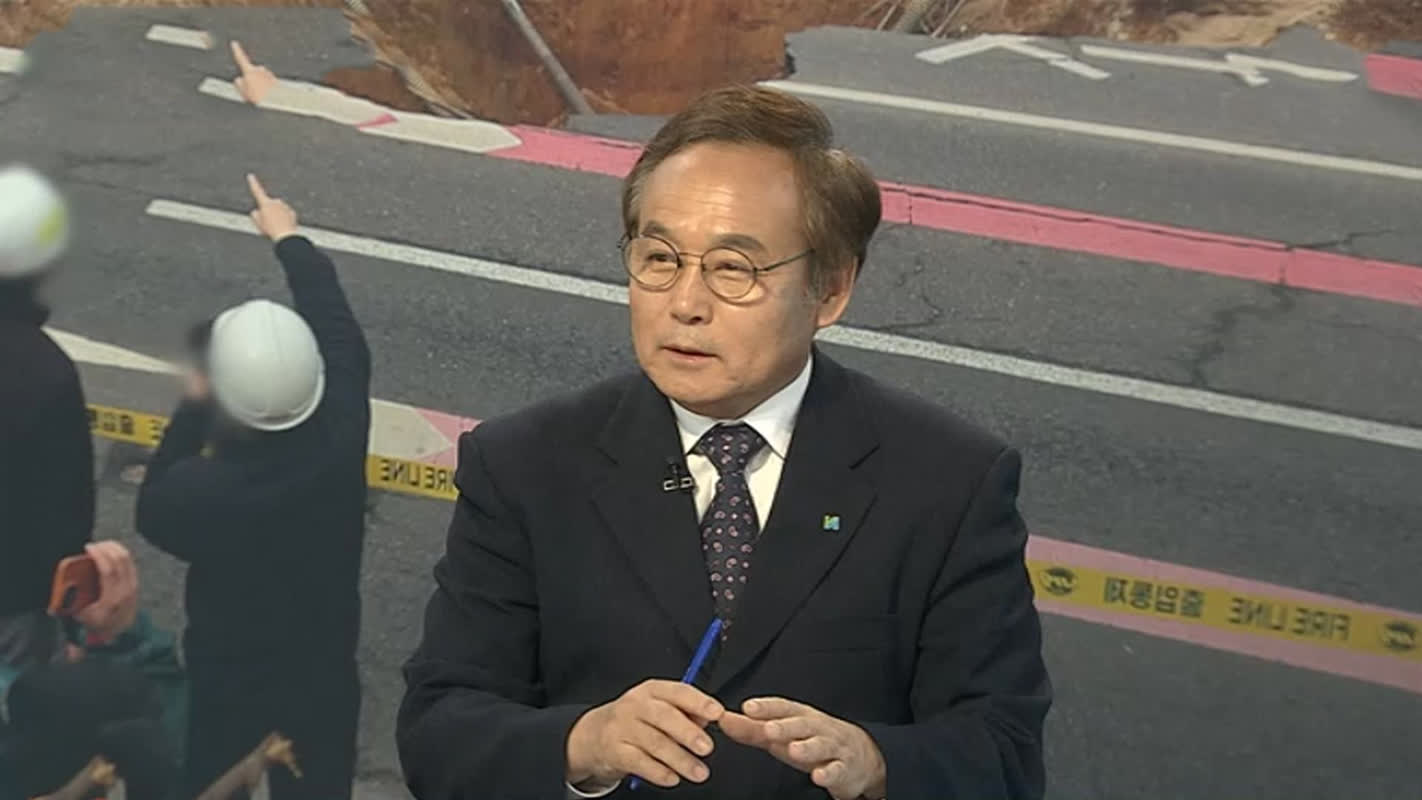
Gil Tae-young, a professor of social welfare at Joongbu University, said, "People with developmental disabilities can show extreme fear responses to certain frequencies or sudden noise and vibration. Current standards emphasize physical measurements rather than users' behavioral and health changes, which limits protection. For construction near vulnerable facilities, protection standards should include prior consultation, continuous noise- and vibration-monitoring, behavioral-change monitoring, temporary evacuation or relocation support, and reinforcement of caregiving staff."