I am using a wheelchair and crutches at home after hip joint reconstruction surgery. My doctors say I must endure this for at least three months. Each time I have to go out, the depression hits me harder than the physical pain. While judging entries for the National Disabled Literature Contest, I never fully appreciated wheelchair users' complaints about high bathroom thresholds—only after experiencing it myself did I truly put myself in their shoes.
A few days ago, I struggled into my wife's car on crutches to attend an event. The parking attendant blocked us, saying there were no available spaces. I rattled my crutch and pleaded that I would get out in front of the venue and move the car afterward, but he wouldn't even look our way. His blunt expression hardened into outright indifference, as if it were none of his concern. It brought to mind the henchmen who wore armbands during the Japanese occupation and the Korean War. After an argument, we had to get out at the busy road by the parking lot entrance, and I hobbled on my crutches. There's an old saying that being flexible will get you a bowl of shrimp paste soup even at a monastery—so why place such an inflexible, guard-dog–like attendant at an entrance where visitors need courtesy?
The worst came next. I was discharged from a hospital in Sujeong‑gu, Seongnam, 14 days after the hip surgery and returned a week later for follow-up. Maneuvering my operated leg to get into my wife's car was grueling, but using crutches for the first time was terrifying for an elderly patient weakened by major surgery. Medical staff warned that a fall from misplacing a crutch could force me back into surgery.
I asked my wife to move the car closer to the hospital entrance. On the day I left the hospital, our able-bodied son and his wife had brought a wheelchair and helped me into it; my wife, however, is herself a patient who regularly receives knee treatments and could not provide the same assistance. After they helped me into a waiting chair and she went to complete registration and move the car, I discovered a parking-violation sticker from the Sujeong‑gu Office on the windshield. I submitted paperwork explaining that appointment days generally waive parking fees and that the brief stop was made out of necessity to protect the safety of an elderly patient on crutches—not to evade fees—but the officials showed no leniency. The enforcement was unilateral and inflexible, without even a ten-minute grace period. We must practice empathy: anyone can become a patient unexpectedly, and sometimes drivers have no choice but to stop briefly in front of a hospital or pharmacy.
Yeokjisaji—literally, putting yourself in another's position—means seeing things from someone else's perspective. Is it too extreme to imagine the prey picking up the hunter's shotgun and aiming it at people?
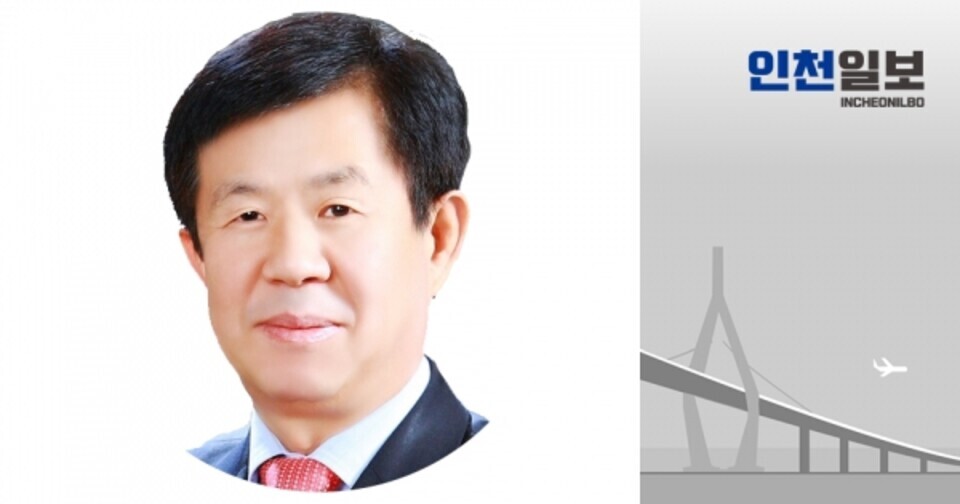
/ Kim Sa‑yeon, essayist · former president, Incheon Writers' Association