Labor Relations Commission rulings on employer status proceed; bargaining framework moves forward POSCO divided into three bargaining units, not by its 50-plus subcontractors Growth in bargaining requests has cooled since the initial surge This is a process to create a framework for dialogue, not a spiral of conflict
Since the revised Labor Union Act, commonly called the Yellow Envelope Law, took effect, debate has centered on how bargaining between prime contractors and subcontractors should be organized. The government recently pushed back on criticism that Labor Relations Commission rulings are provoking confusion by fragmenting bargaining units, saying these rulings reflect a normal, early-stage process to establish orderly bargaining structures.
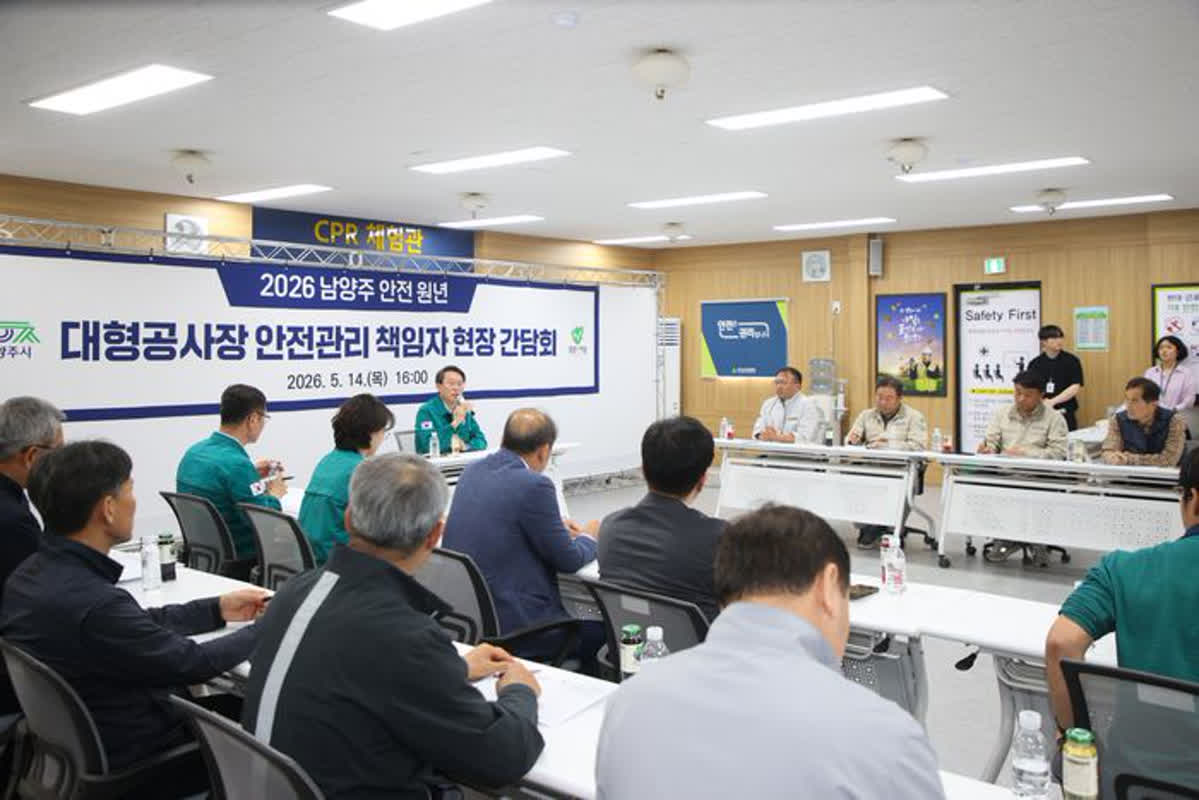
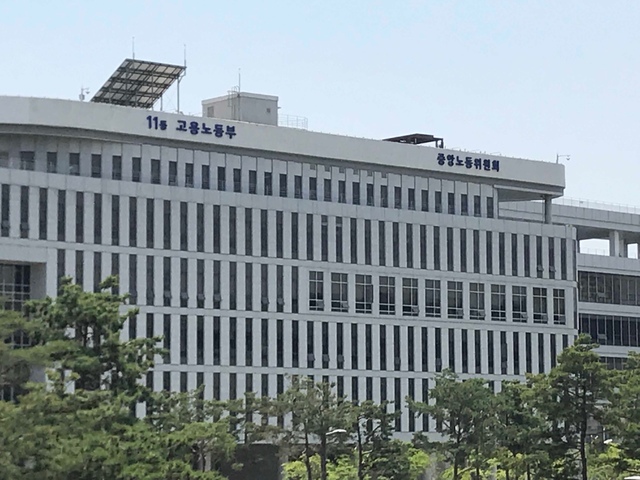
The Ministry of Employment and Labor said on the 10th that collective bargaining under the revised law requires the Labor Relations Commission to assess employer status and may involve procedures such as splitting bargaining units to shape the overall bargaining framework. The ministry added that these procedures are already underway at workplaces across the country.
The ministry noted that, because case law and precedent on employer status are still developing, unions and employers are relying on Labor Relations Commission decisions to determine the appropriate bargaining counterpart. Rather than viewing these steps as signs of escalating conflict, the government says they should be seen as part of the process of embedding the new system.
In practice, many workplaces where the commission has recognized employer status announced bargaining requests and moved into bargaining immediately after the rulings. After the Chungnam Regional Labor Relations Commission recognized employer status for four institutions on April 2 — Korea Asset Management Corporation, Korea Atomic Energy Research Institute, Korea Institute of Nuclear Safety, and Korea Research Institute of Standards and Science — those organizations posted notices of bargaining requests. On April 6, the Gyeongbuk Regional Labor Relations Commission similarly recognized employer status for the Korea Industrial Complex Corporation, which then entered bargaining procedures.
The ministry emphasized that splitting bargaining units also requires a Labor Relations Commission decision, and it argued that treating the inevitable early-stage establishment of bargaining structures as widespread disorder is inappropriate. As standards for judging employer status and for dividing bargaining units are clarified, the ministry said predictability and order in bargaining should increase.
Data suggest the initial surge in bargaining requests has eased. The ministry reported about 54 corrective-action petitions are pending over unions’ failures to publicly announce bargaining requests, and roughly 10 applications to split bargaining units are under review. The share of members who have filed bargaining requests — measured against overall union density — is around 5 percent. The ministry used those figures to argue that, contrary to early fears, bargaining requests are not exploding in number.
The government also dismissed concerns about open-ended “split bargaining” as overblown. The enforcement ordinance for the Yellow Envelope Law requires that when authorities split bargaining units between prime contractors and subcontractors, they take a comprehensive view — weighing common interests among unions, the appropriateness of chosen representatives, and the likelihood of conflict.
The ministry said the recent Gyeongbuk commission decision in the POSCO case applied those criteria, considering the nature of the work, past bargaining practices, and the potential for inter-union conflict. Although POSCO reportedly has more than 50 in-house subcontractors, the commission grouped all subcontracted workers into three bargaining units. The ministry described that outcome as a reasoned setting of bargaining units based on overall labor-management relations, not as a mandate for separate bargaining with each subcontractor.
The ministry framed the Yellow Envelope Law as intended to institutionalize dialogue between prime contractors and subcontractors, calling it a law to encourage conversation. A ministry official said procedures such as bargaining requests and the division of bargaining units help establish a framework for talks between unions and employers, and that a stable dialogue structure should help narrow gaps between primes and subcontractors while promoting coexistence.
Some critics have warned that the POSCO case could encourage widespread “split bargaining,” forcing large firms to bargain separately with numerous subcontractor unions. The government, however, maintains that it is misleading to treat ordinary procedural developments during the law’s early implementation as signs of structural breakdown.
Reporter Kwon Ki-baek baeking@viva100.com