On-site inspections of flood-prone areas, drainage pump stations and underpasses
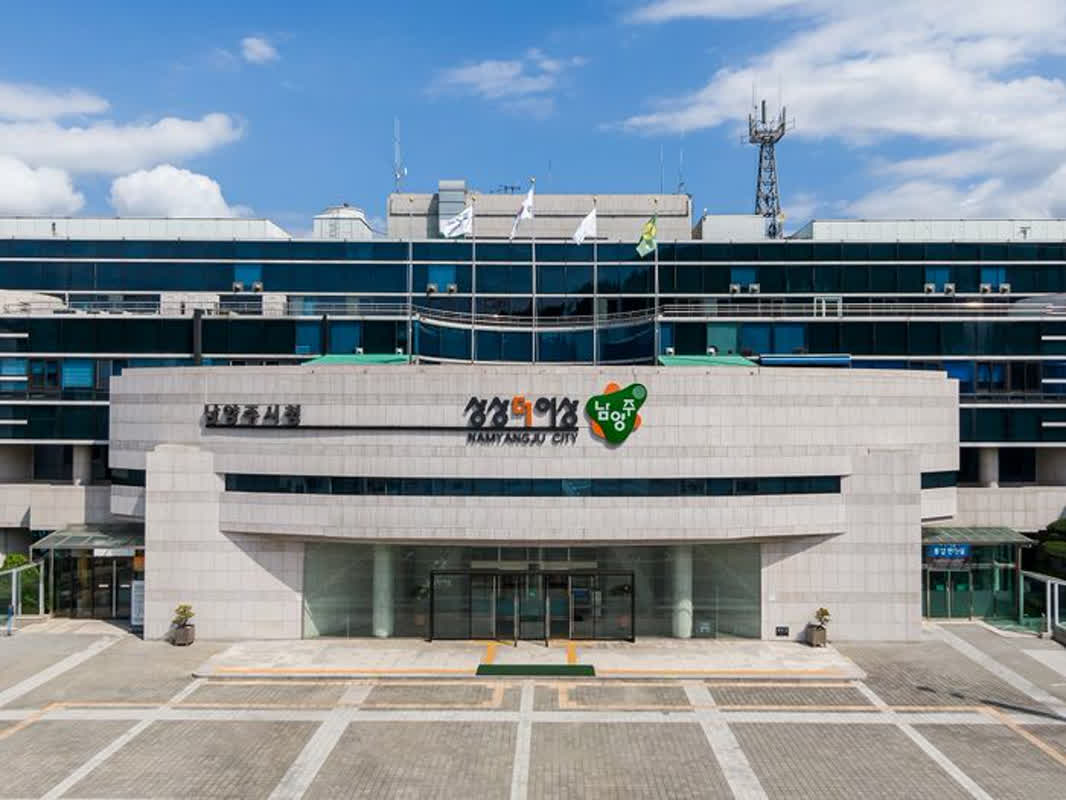
Namyangju City in Gyeonggi Province said it carried out on-site inspections on May 11 to prepare for summer natural disasters, focusing on flood-prone neighborhoods and key disaster-prevention facilities.
The inspections were organized to ensure that public-safety efforts and priority projects continue without interruption under the acting-mayor system.
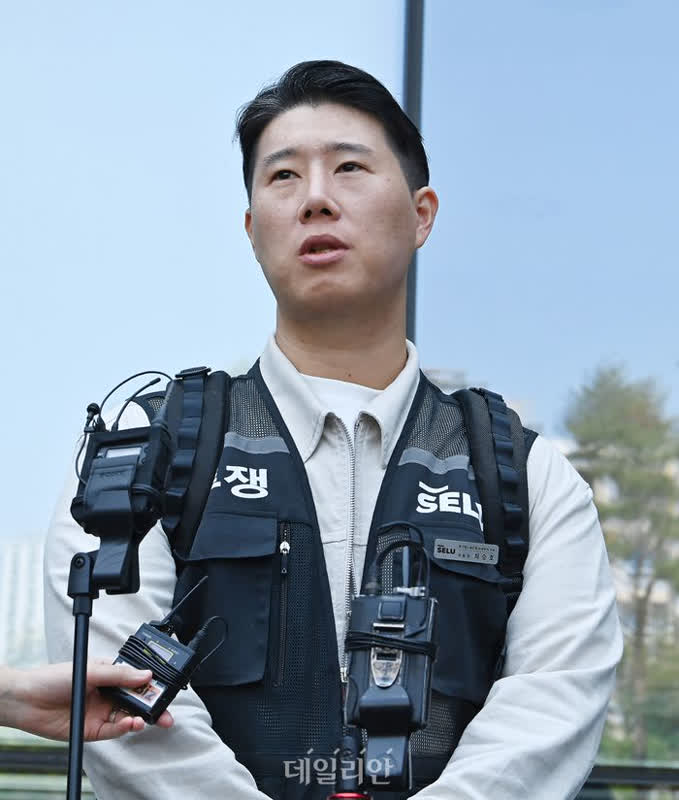
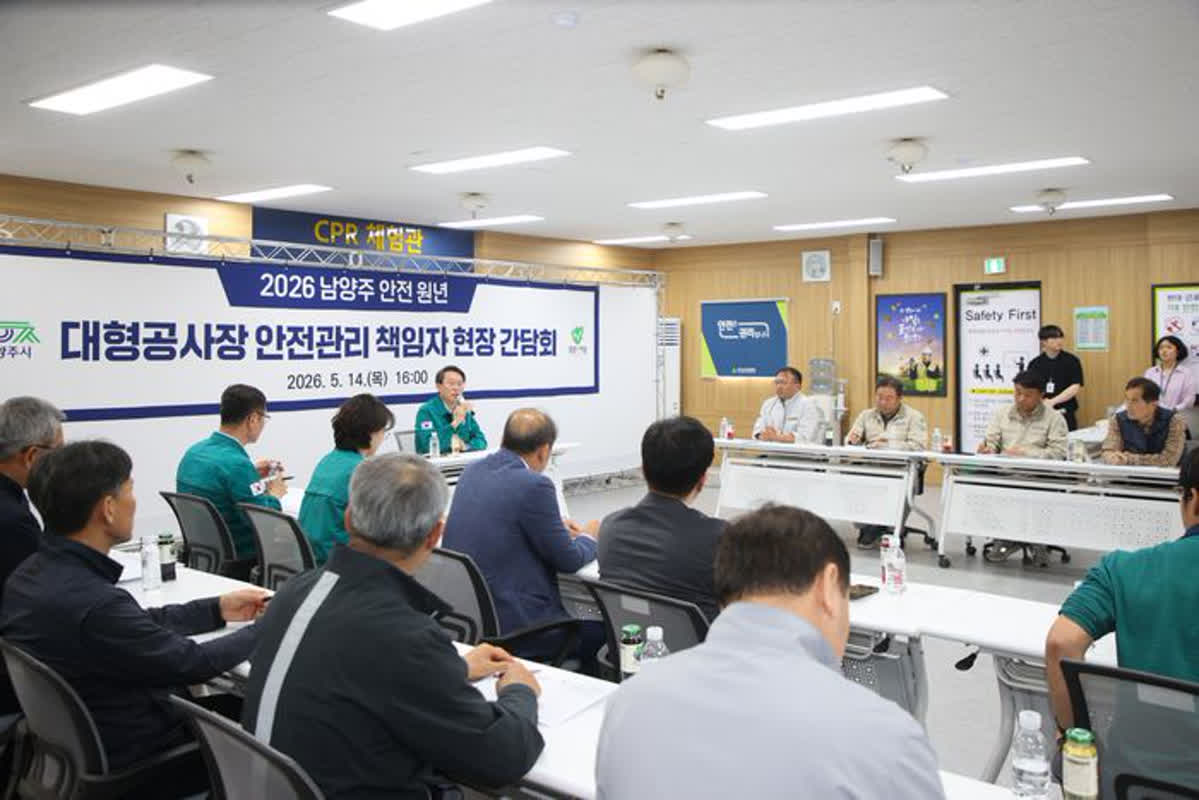
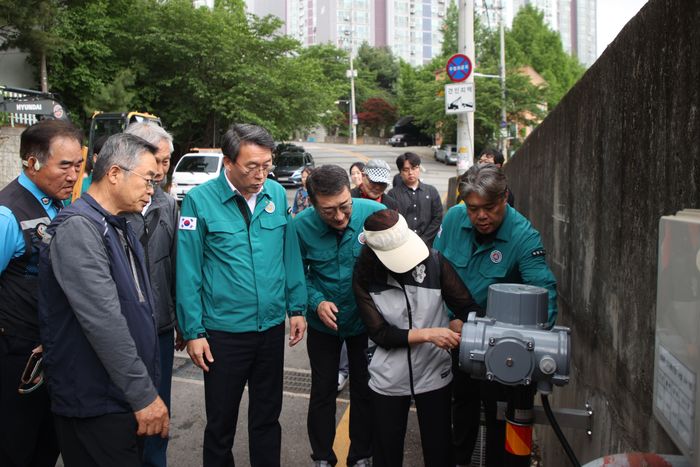
The inspection was attended by Acting Mayor Kim Sang-su and department heads. Participants visited Shinhachon Village in Toegyewon-eup, the Jingun drainage pump station, and the Dasan-dong underpass vehicle-blocking installation site in sequence.
Shinhachon Village was the first site inspected; it is highly vulnerable to flooding when the Wangsukcheon River rises or during intense rainfall. The city is installing flood boards, conducting CCTV inspections of sewage pipelines, repairing roads and dredging waterways to prevent repeat damage.
The city also plans to construct a 2,450 m³ detention basin and install two new 30-horsepower drainage pumps to increase stormwater removal capacity. Officials said they will finish major works where possible before the rainy season to reduce flood risk.
Next, the inspection moved to the Jingun drainage pump station in Dasan-dong. The station is a core flood-prevention facility: it has a retention basin covering 26,950㎡ and eight drainage pumps, with a pumping capacity of 3,420 tons per minute. City teams concentrated on checking the operation of key equipment — the pump room, electrical room and integrated monitoring-and-control center — and reviewed emergency response procedures.
Finally, officials inspected the installation sites for vehicle-blocking systems at the Jungchon 1, Jungchon 2 and Donong underpasses.
The project will automatically restrict vehicle access during emergencies such as underpass flooding by installing entry-blocking devices, electronic signboards, water-level gauges and CCTV. The total project cost is KRW 1.5 billion (approximately $1.125 million), and officials are targeting completion in June.
Once the vehicle-blocking systems are in place, water-level sensors will detect flooding and automatically prevent vehicle entry, helping to avert casualties and property damage in underpasses during heavy rains.
Acting Mayor Kim Sang-su said, “When it comes to disaster response, prevention is far more important than recovery. We will closely attend to issues directly tied to public safety — including flood-prone areas, pump stations and underpass barriers — and promptly address any deficiencies identified on site so that tailored measures for vulnerable areas can be implemented quickly before the rainy season.”
Namyangju plans to continue inspecting key disaster-prevention facilities and vulnerable areas ahead of the rainy season and to strengthen field-centered disaster-prevention administration that prioritizes public safety.
© Dailian Co., Ltd. Unauthorized reproduction or redistribution prohibited.
- “‘Namuho’ attack exposed policy failures; the larger problem is the lack of solutions”
- [Exclusive] BlackRock adds Posco Holdings again — why? Recovers stake to the mid-6% range after six years
- Jang Dong-hyuk: Lee administration calls the ‘Namuho’ strike an unidentified aircraft — was it an alien UFO attack?
- Philippine shipyard losses blamed on system issues? Hanwha Systems union demands explanation of reduced performance bonuses
- [June 3 pick] Park Min-sik, Han Dong-hoon suddenly emerge — in Korea, voting for Park is likened to voting for Jang Dong-hyuk