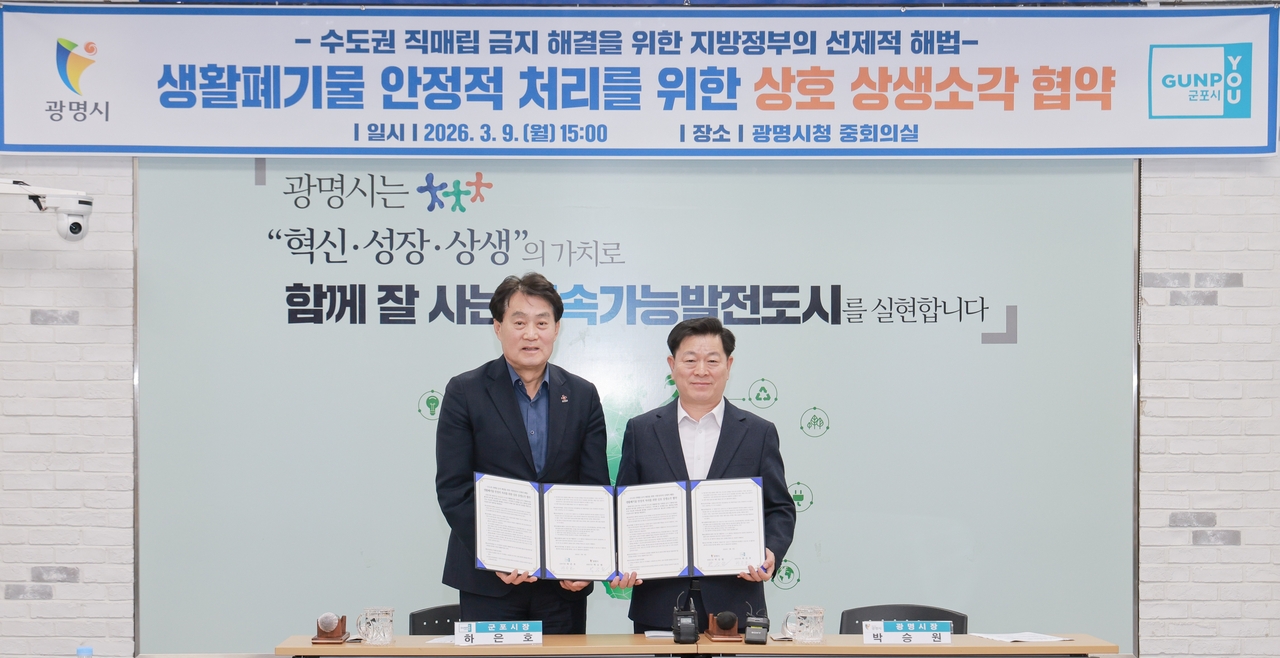
Under the agreement, Gunpo and Gwangmyeong will operate a “mutual incineration” system: when one city’s incinerator undergoes scheduled maintenance, the other will process its municipal waste. The plan covers combustible household waste and is based on a daily volume of about 25 metric tons (roughly 27.6 short tons), or about 1,000 metric tons annually (about 1,102 short tons). Transfers will occur within a 40-day window and operating schedules will be coordinated to match each facility’s maintenance plan. The cities agreed not to impose separate delivery-cooperation fees or additional processing charges for cross-handling.
With the Seoul metropolitan area’s full ban on direct landfill disposal of municipal waste set to take effect in 2026, cross-jurisdiction cooperation is essential rather than optional. The two cities advanced the pact with three primary goals: reduce dependence on a single private disposal route, establish a network among public facilities, and ensure continuity of processing during maintenance or emergencies.
The agreement also requires that future incinerator modernization projects incorporate cross-incineration volumes at the design stage, creating a long-term basis for cooperation. Because interruptions in municipal waste processing directly affect residents’ daily lives, officials say the pact establishes a stable, sustainable system that moves beyond short-term crisis response to provide structural solutions.
The most immediate benefit is fiscal savings. Based on the current private outsourcing rate of about 240,000 KRW per ton (approximately $180 USD), the cities expect to save roughly 200 million KRW annually (about $150,000 USD). By reducing reliance on private contractors and diversifying disposal routes, the pact should maintain continuity of waste processing during maintenance or unexpected events, strengthening emergency response capabilities. Officials emphasize this is not merely cost-cutting but responsible administration that uses taxpayers’ money more efficiently.
Officials also expect secondary benefits: more efficient use of existing infrastructure will improve the operational stability of aging facilities. The two cities share a residentially focused urban structure, similar population sizes, and comparable waste-generation patterns, which reduces administrative friction and increases the feasibility of joint operation. Converting the roughly 1,000 metric tons generated during maintenance into mutual cross-processing among public facilities creates a balanced cooperation model that prevents unilateral spikes in incineration volume.
Gunpo’s administration conducted a prior analysis of incinerator operational efficiency, designed a no-burden structure to minimize fiscal impact, and verified stability through intake and operating-rate simulations. The city prepared a standard administrative-agreement template to build a practical cooperation framework. To address facility aging and secure fiscal soundness simultaneously, officials systematized a “shared use — no burden — shared benefit” approach.
The agreement has been hailed as proactive governance that turns a crisis into an opportunity. By building cooperation beyond municipal borders, it offers a model response to the policy shift banning direct landfill disposal in the Seoul metro area. By explicitly requiring that future modernization projects include cross-incineration systems in their designs, the pact also lays groundwork for medium- to long-term collaboration. Policymakers expect the model to spread to other local governments and to become a best-practice case for broader waste-policy initiatives, offering a new paradigm for resource-circulation cooperation among basic municipalities in the metropolitan area.
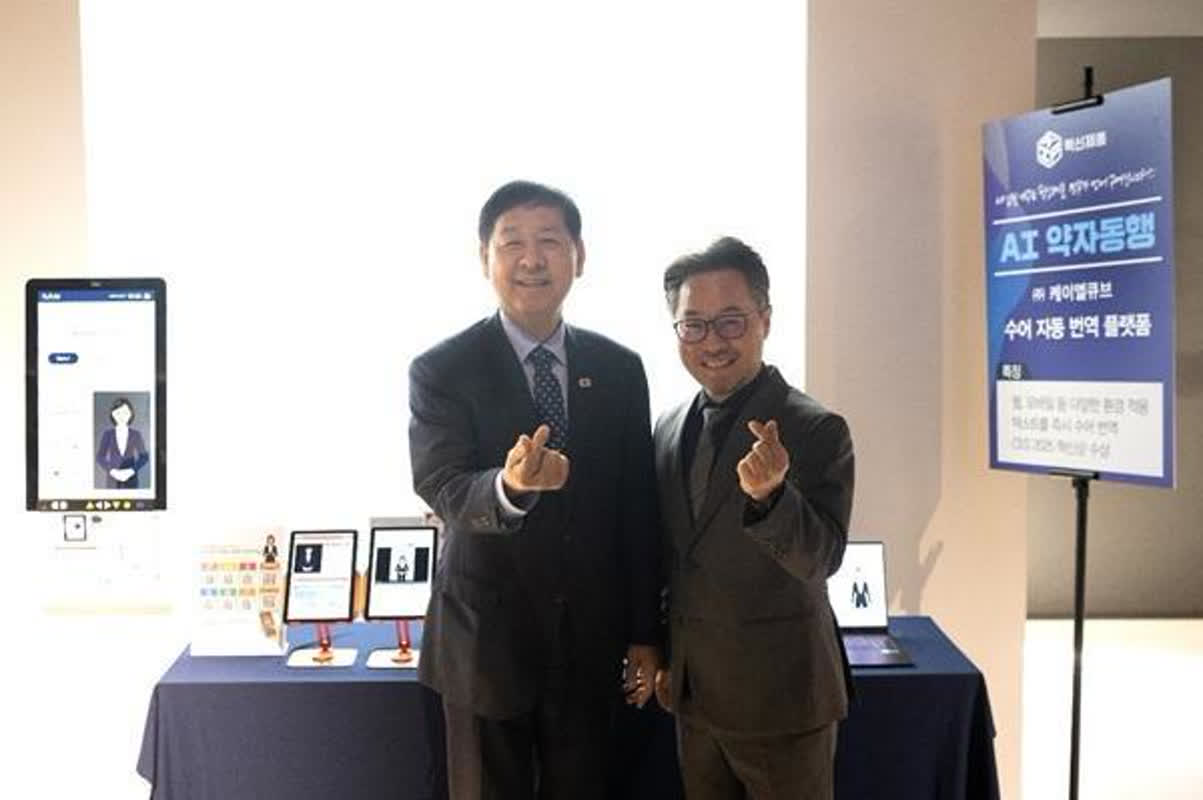
Mayor Ha Eun-ho said, “This agreement provides a springboard to advance environmental administration that directly affects citizens’ daily lives and represents policy innovation grounded in trust and execution among local governments. Gunpo will continue to secure fiscal soundness and actively pursue measures that enhance citizen well-being and mutual prosperity, maintaining responsible governance that residents can feel and trust.”
Gunpo expects the mutual incineration agreement to move the city closer to becoming a sustainable resource-circulation city and to establish it as a leading example of interlocal government cooperation nationwide.