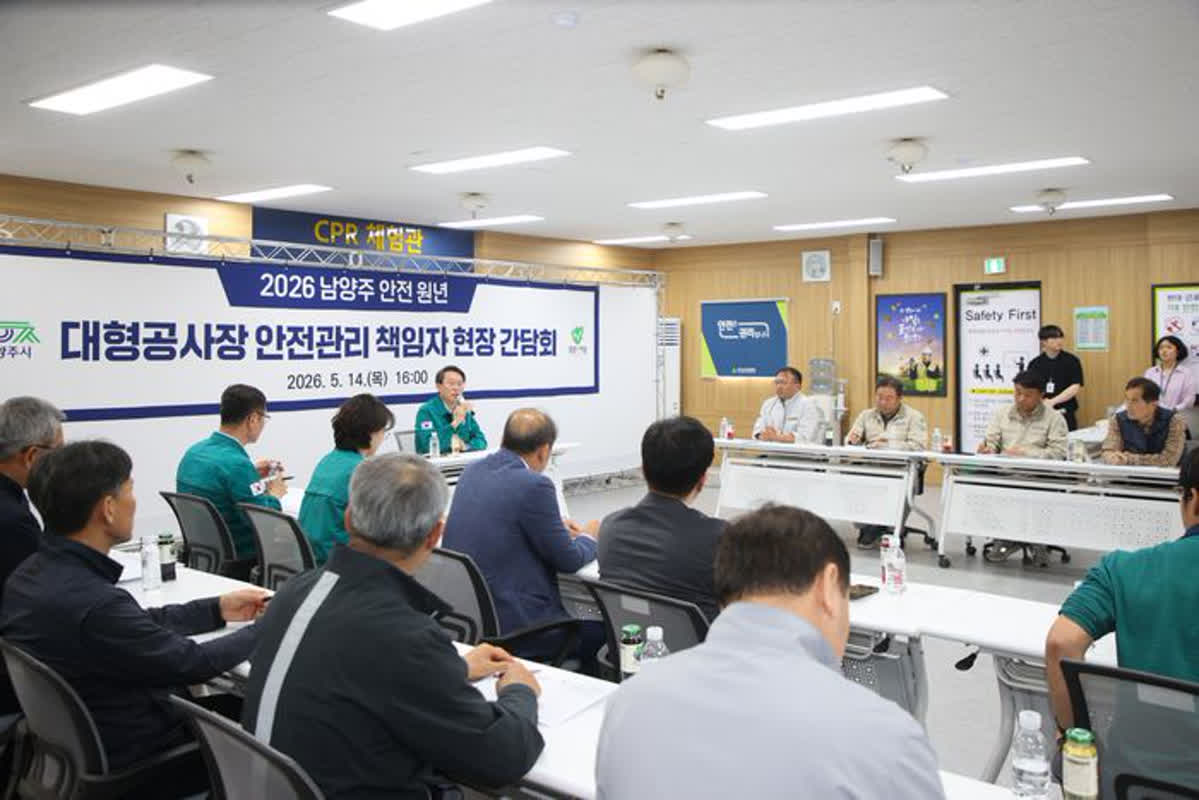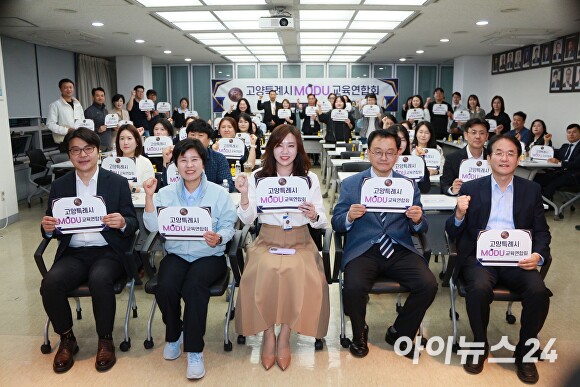
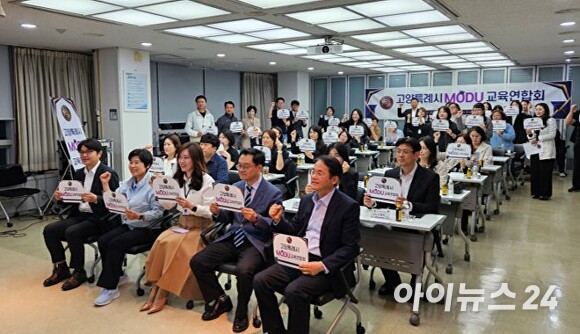
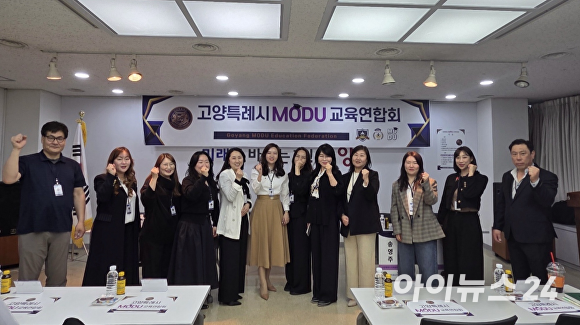
[iNews24 reporter Kim Jae-hwan] The Goyang Special City MODU Education Coalition, a parents' group in Goyang, Gyeonggi Province, held a parents' feedback meeting on the 8th to discuss local education issues.
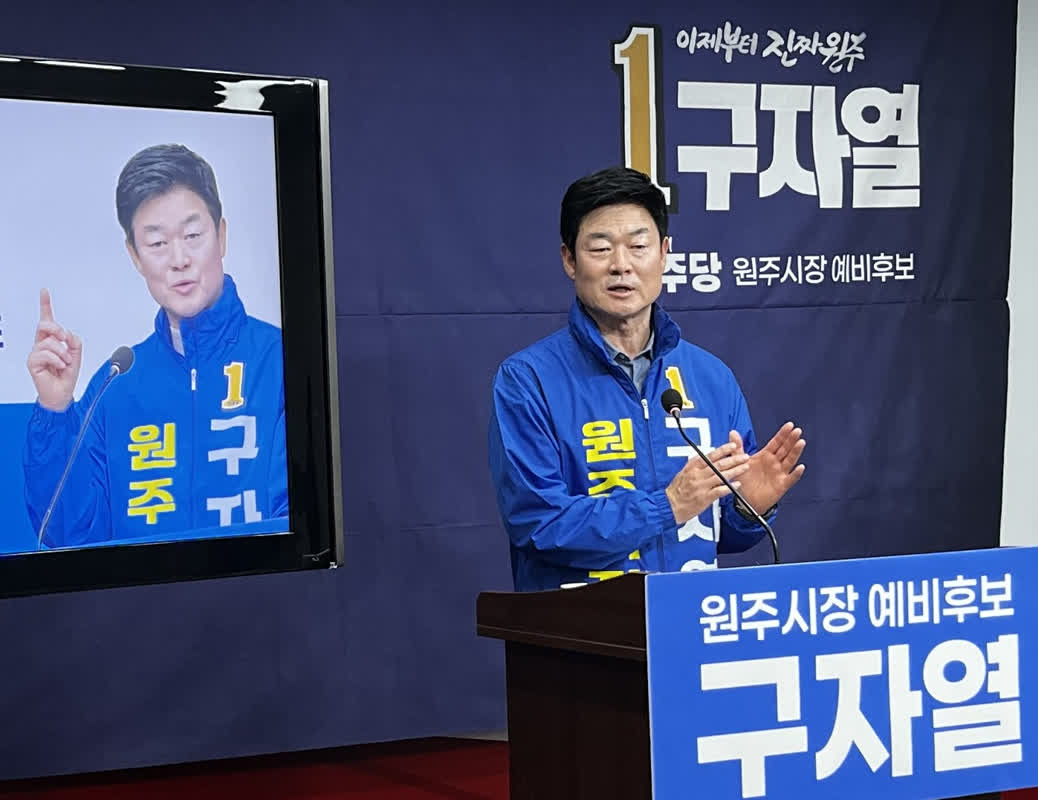
The event drew a large turnout, including four mayoral candidates—Lee Dong-hwan, Min Kyung-sun, Song Young-ju, and Shin Hyun-cheol—along with current and former members of the Gyeonggi Provincial Assembly and the Goyang City Council, who listened to parents' representatives on site.
Based on four rounds of detailed surveys, the coalition identified five core priorities for education in Goyang.
Those priorities are expanding education and cultural infrastructure; improving urban transit and school commute conditions; renovating aging school facilities and meal environments; addressing gaps in childcare and educational inequality; and building an integrated governance system to improve communication among private, public, and government stakeholders.
On the ground, parents expressed strong concerns about poor commuting conditions and the closed-off operations at many schools.
One parent described students commuting from the Deok-eun district to Hyangdong High School and noted that privately run commuter buses that cost roughly 150,000–200,000 KRW per month (approximately $112.50–$150.00) have stopped operating.
The free shuttle buses introduced as an alternative are limited by seat capacity and now operate by lottery, leaving students' ability to get to school seriously compromised.
Attendees also raised concerns about the disruption to school culture since COVID-19.
They said teachers, facing heavy liability for accidents, have increasingly avoided outdoor activities such as field trips and sports days, limiting students' opportunities for interaction.
Parents also pointed to a library building in a new apartment complex that remains unused due to budget shortfalls, and to cramped cafeterias that force schools to run split mealtimes—symptoms of inadequate facilities.
Candidates at the meeting pledged proactive municipal intervention and support.
Song Young-ju proposed a public circulator bus linking schools, private academies, and hospitals to address commuting gaps.
He also recommended creating community care centers—modeled on Paju’s approach—using vacant spaces in apartment complexes to serve children through sixth grade.
Shin Hyun-cheol said the city should adjust neighborhood bus routes more flexibly to ease commutes and replace cafeteria cooking equipment with electric induction units to protect staff health and student safety.
Min Kyung-sun welcomed a demand-driven expansion of shuttle services and emphasized building an integrated care system using small libraries and community centers. She also stressed the economic benefits of eco-friendly school meals that boost consumption of local agricultural products.
Lee Dong-hwan noted that authority over building new schools and operating shuttle services rests with the education office, limiting direct municipal intervention. Still, he said the city will continue to strengthen systems—such as safety infrastructure around schools—within its administrative support role.
Public measures to reduce teachers' disproportionate liability also emerged as a key issue.
Candidates criticized the current system that places full responsibility for accidents during outdoor activities on frontline teachers and schools, and agreed on the need for institutional mechanisms that share responsibility and costs across public entities, including local governments.
Coalition chair Han Su-yeon said, "This meeting was organized by parents acting out of genuine concern and voluntary participation. I hope future discussions will include the Gyeonggi Provincial Superintendent of Education and the head of the Goyang Education Support Office so we can broaden governance and more fully discuss the future of local education."