60% of grades were A in the 2024–25 academic year — a sharp rise from about 25% in 2005–06
Students worry, “If officials cap A grades, everyone will flock to courses known for lenient grading”
Students worry, “If officials cap A grades, everyone will flock to courses known for lenient grading”
University officials say grade inflation has become pronounced — A’s now account for more than half of undergraduate grades — and they are proposing a cap on A grades. The proposal has prompted strong student opposition.
The Wall Street Journal reported on April 3 that Harvard faculty will vote next week on a proposal to restrict the share of A grades awarded in each course.
If approved, the policy would limit A grades to roughly 20% of students in any given class.
Harvard officials say they expect the change could roll A-grade rates back to levels seen in 2011.
About 60% of all grades at Harvard were A’s in the 2024–25 academic year, a sharp increase from roughly 25% in 2005–06.
Amanda Clayvo, dean for undergraduate education, said, “The university must curb grade inflation to protect the value of our degrees. This is a necessary step to preserve Harvard’s reputation and will ultimately benefit students.”
Professor Martin Pookner warned that the current grading system can paradoxically disadvantage the very students it aims to reward. Professor Joshua Green added that because A’s have become so common, lower grades carry a stigma that can discourage students from exploring unfamiliar subjects.
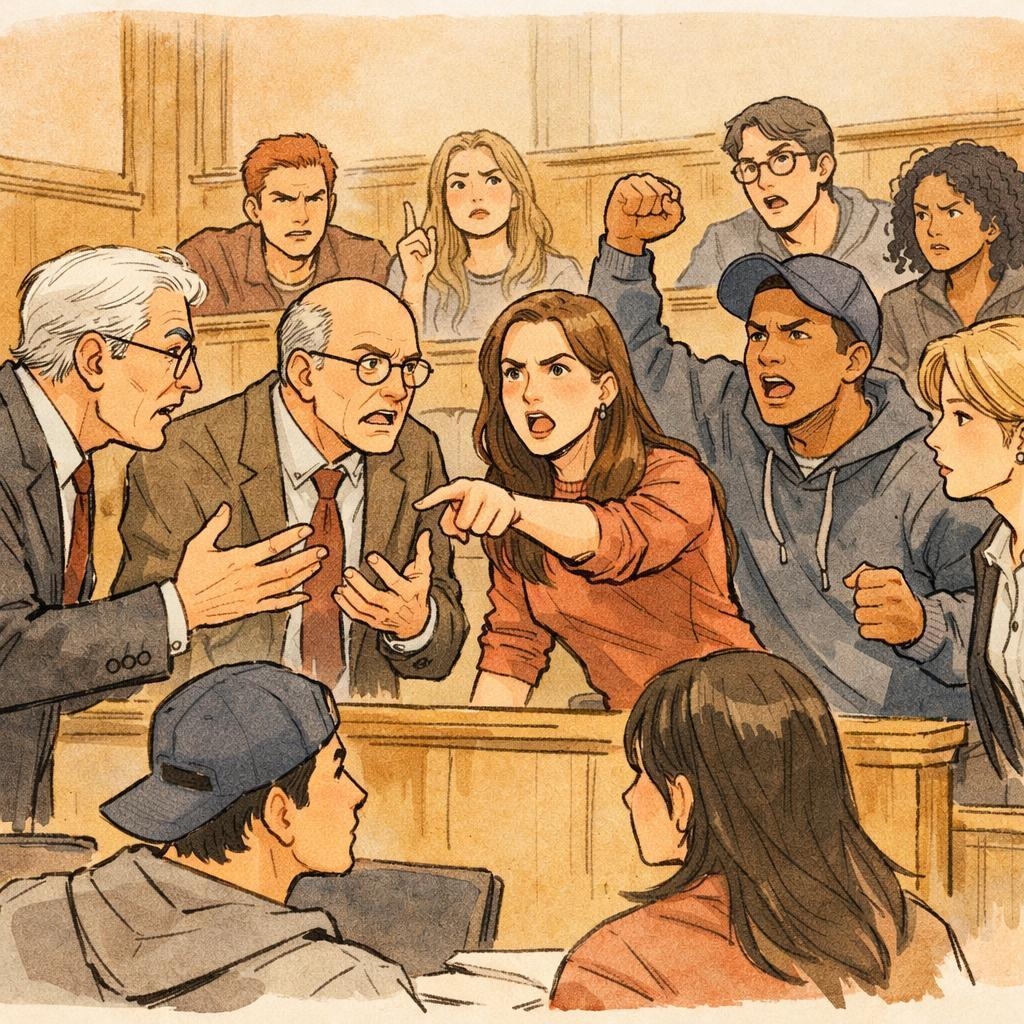
Students counter that the change will increase academic stress, intensify competition and undermine genuine scholarly exploration.
In a survey of roughly 800 respondents conducted by the Harvard Undergraduate Council, about 94% opposed the A-grade cap.
Some students also fear that, if the cap is implemented, enrollment will concentrate in a small number of courses known for lenient grading, even if those classes require less work.
After students raised concerns at a town hall — arguing that exams alone would not capture meaningful differences in achievement — Harvard postponed the cap’s rollout.
As a result, even if faculty approve the measure, the university plans to redesign courses and take other steps before implementing the cap in fall 2027.