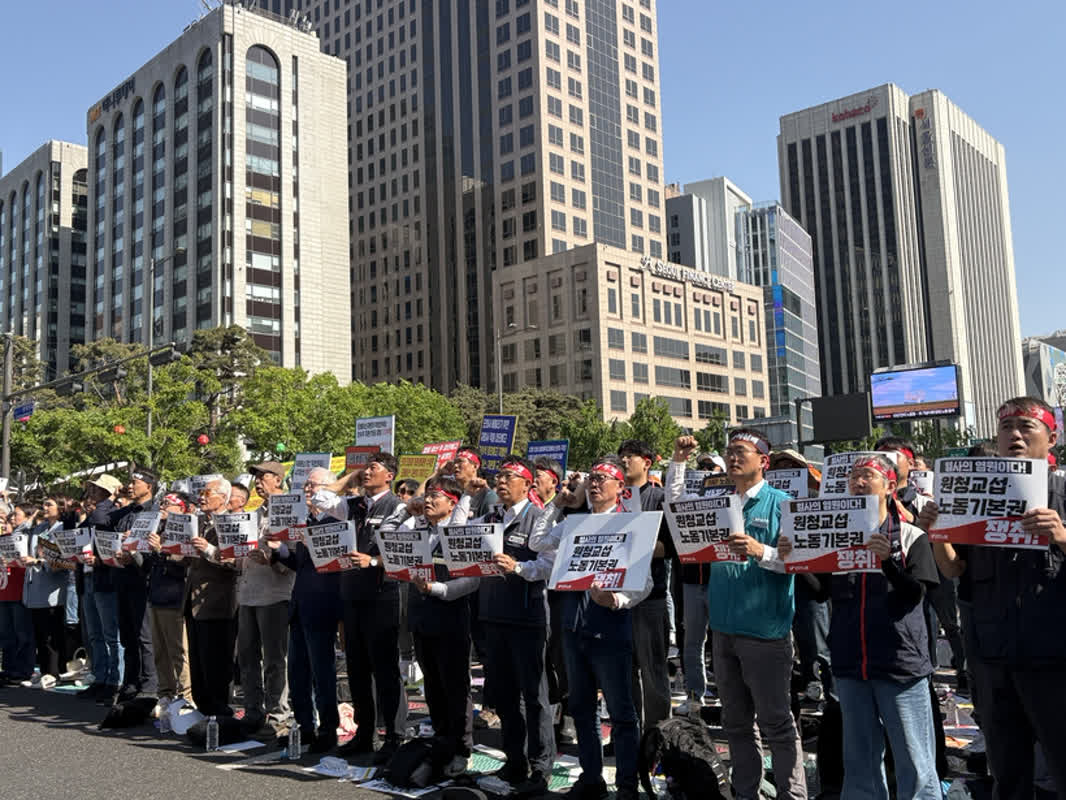
A massive civilizational shift driven by artificial intelligence (AI) and humanoid robots is upon us. The moment robots that fully replicate human appearance and cognition are deployed, the value we have long treated as sacred—labor—will be shaken to its core. Technological progress already outpaces our ability to predict it and is pushing us toward an AI-robot revolution that will reorder social structures and institutions. That momentum threatens the capitalist foundations built on private ownership of the means of production and payment for labor.
Yet we continue to frame the AI question primarily in educational terms: how to use the technology. The changes AI and robotics bring will not be limited to new tools; they will trigger sweeping transformations in social systems and in everyday life. Classrooms, however, remain stuck in the inertia of knowledge transmission.
Modern education was designed to produce standardized workers for industrial workplaces. Today’s entrance exams and curricula are still rigidly trapped in a framework that feeds fragments of knowledge meant to be consumed on the job. But in a world where robots replace both physical and intellectual labor, conventional vocational education will lose its usefulness. More important than the total stock of knowledge is the question of how people will live in a transformed society. We must recast education’s purpose around three core values—play, art, and coexistence—rather than mere knowledge transfer.
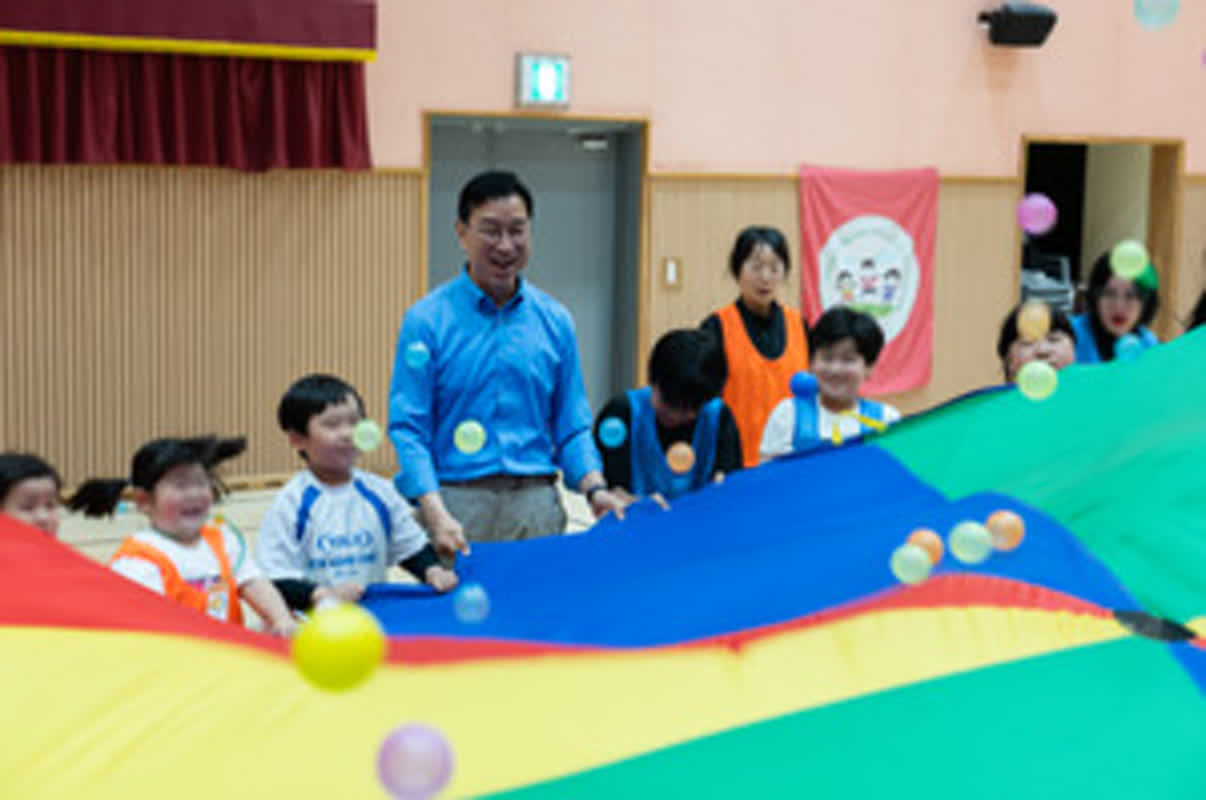
If play has so far meant only escape from labor or a commodified pastime, future play must become an active practice of living. It should free people from capitalism’s constraints, enabling them to genuinely enjoy life and discover internal sources of joy. The first task of future education must be to break the closed loop of selling time to earn money and then spending time to consume that money. Schools should teach how to enrich life without relying on material consumption.
Moreover, art should no longer be an optional hobby for refining aesthetic taste. It must become the principal refuge that rescues the self from the alienated labor Marx warned about. True art is not work aimed at creating commodity value; it is a process of expressing and realizing one’s inner life. In the future, art will help people realize their lives and produce what is genuinely their own—not simply market goods.
Learning how to coexist in society will remain essential. The social need for political capacity—the ability to connect with others and participate in community decision-making—will not disappear; if anything, it will grow more important.
If we continue to force future generations into rote knowledge acquisition and competition, we will leave them defenseless before the tide of technology. This is not a choice but a matter of survival. If we do not shift the educational paradigm now, our children risk becoming lost ghostly figures in an age of abundant technology. Today’s elementary and preschool children will live in a fundamentally different world; educating them differently is urgent.
We stand on a shoreline as a great wave approaches. When the tsunami of technology overtops the breakwater of labor, we must teach children how to ride the rough waters—and how to gaze past them to find the beauty beyond.
When the era of labor wanes, we will inhabit a world filled with people who can turn their lives into art. Education should give the next generation the time to learn new ways of living suited to that era.
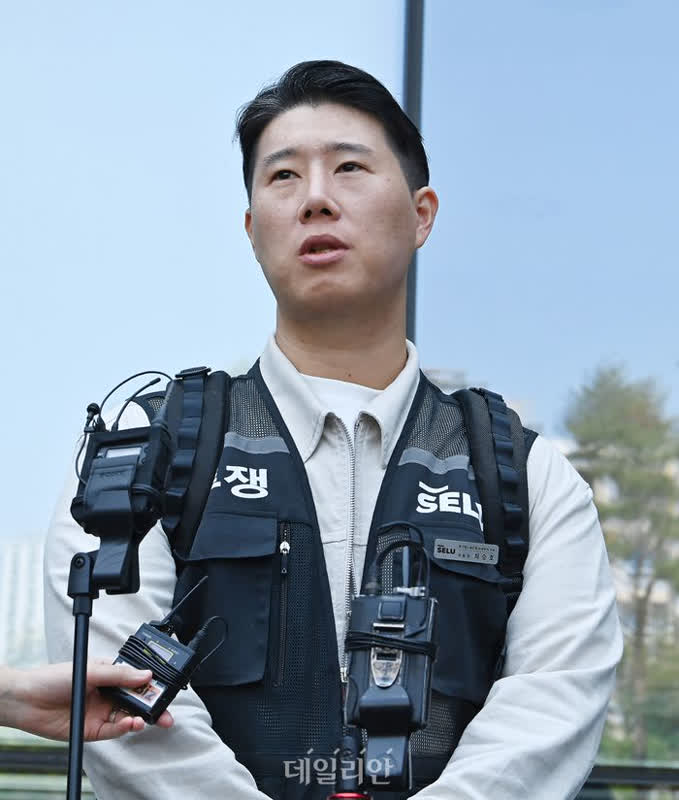
/Cha Seong-su, Director of the Culture and Future Research Institute