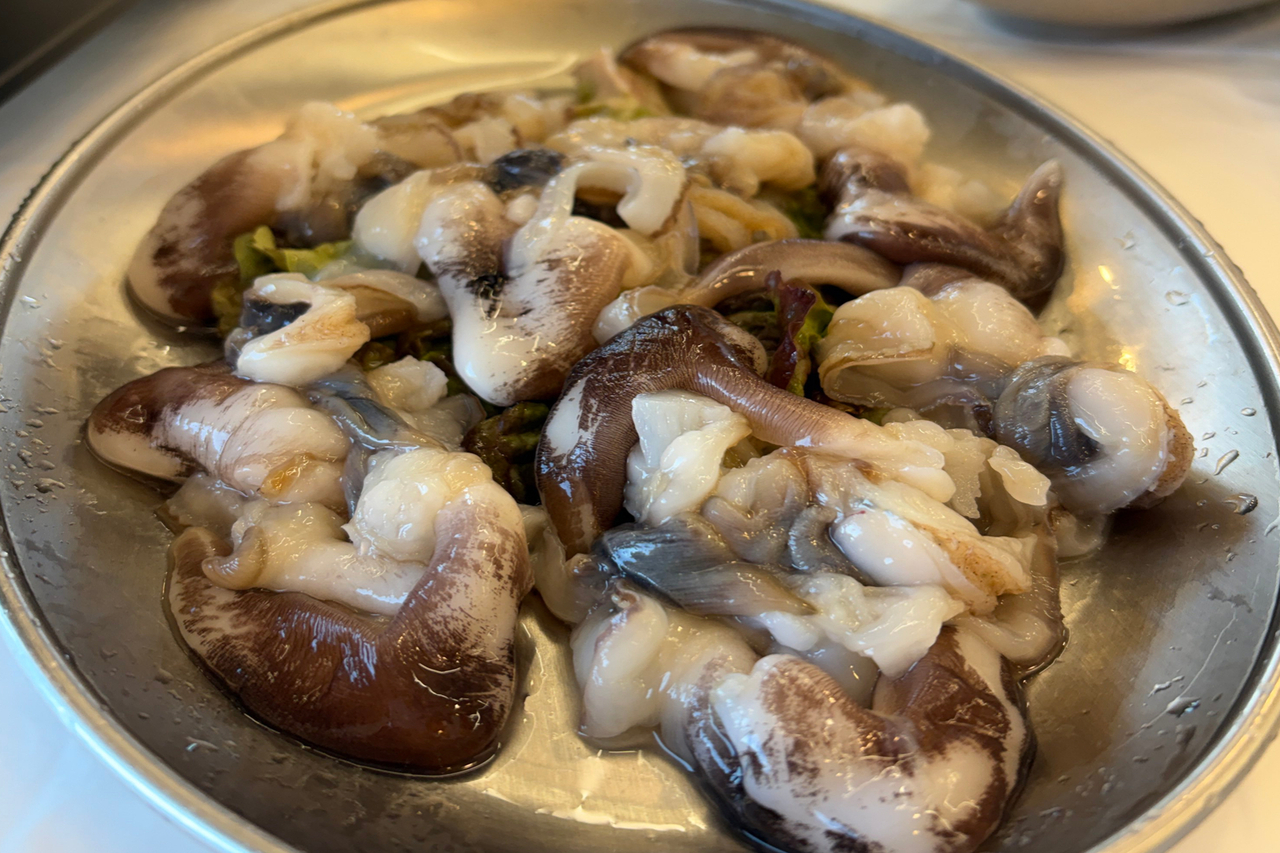
#. On a weekend, 31-year-old office worker Heo visited a surf clam festival in Chungcheongnam-do. Hearing the festival used a fixed-price system, he felt reassured and went to the site.
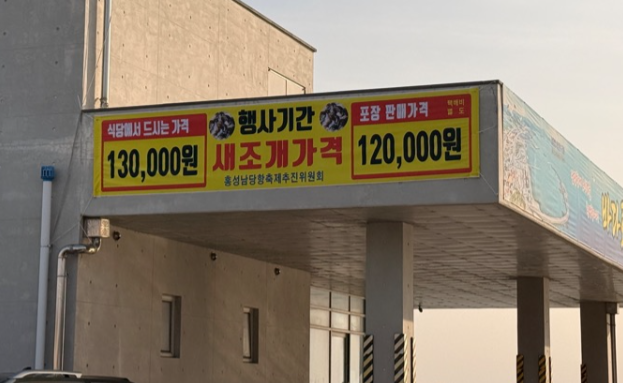
Heo arrived hopeful — but a banner left him stunned. The fixed price listed surf clams at 130,000 KRW (about $97.50) per 1 kg (about 2.2 lb).
A few years earlier, he had paid roughly half that at the same festival. Facing a bill close to 200,000 KRW (about $150) to feed two people, he left.
“I didn’t want to pay more than for hanwoo beef, so I just looked around the festival and moved on,” Heo said. “I don’t know why clams have become so expensive.”
The scarcity traces to climate change. In particular, rising temperatures across the country during the clams’ spring and summer spawning seasons have increased die-offs among shellfish and finfish.
In some key harvesting areas, fishermen returned with no surf clams at all. The strain on local communities has been severe.
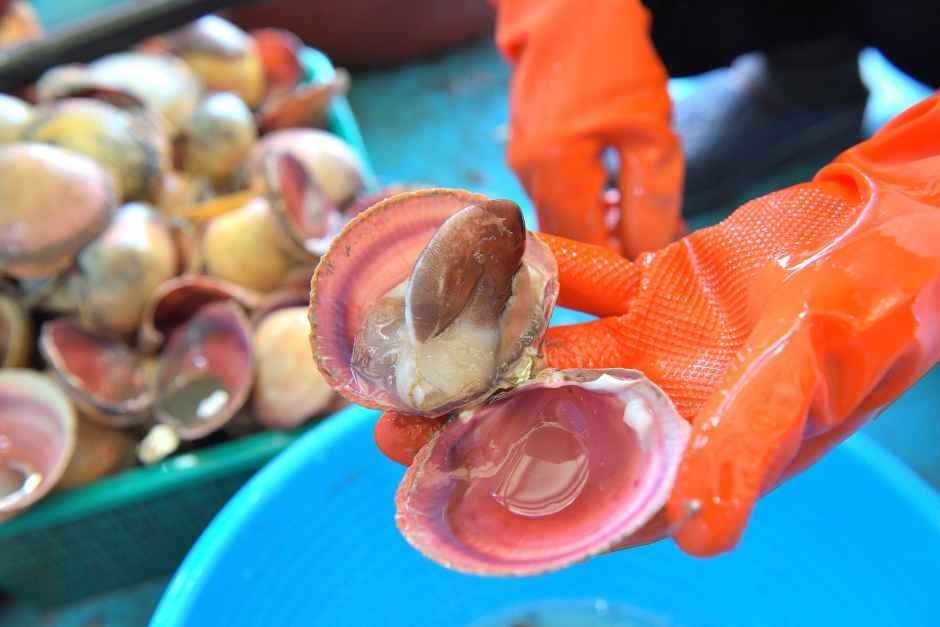
The name “surf clam” comes from the flesh’s resemblance to a bird’s beak. The clams are in season from February through May. Clams caught near Cheonsuman, where the festival is held, are prized for large roe and a firm, pleasant texture.
This year’s festival drew particular attention because last year’s event could not proceed in full. Abnormal weather, including extreme heat, caused a sharp drop in surf clam production last year. Organizers even rebranded last year’s event as a general seafood festival featuring surf clams.
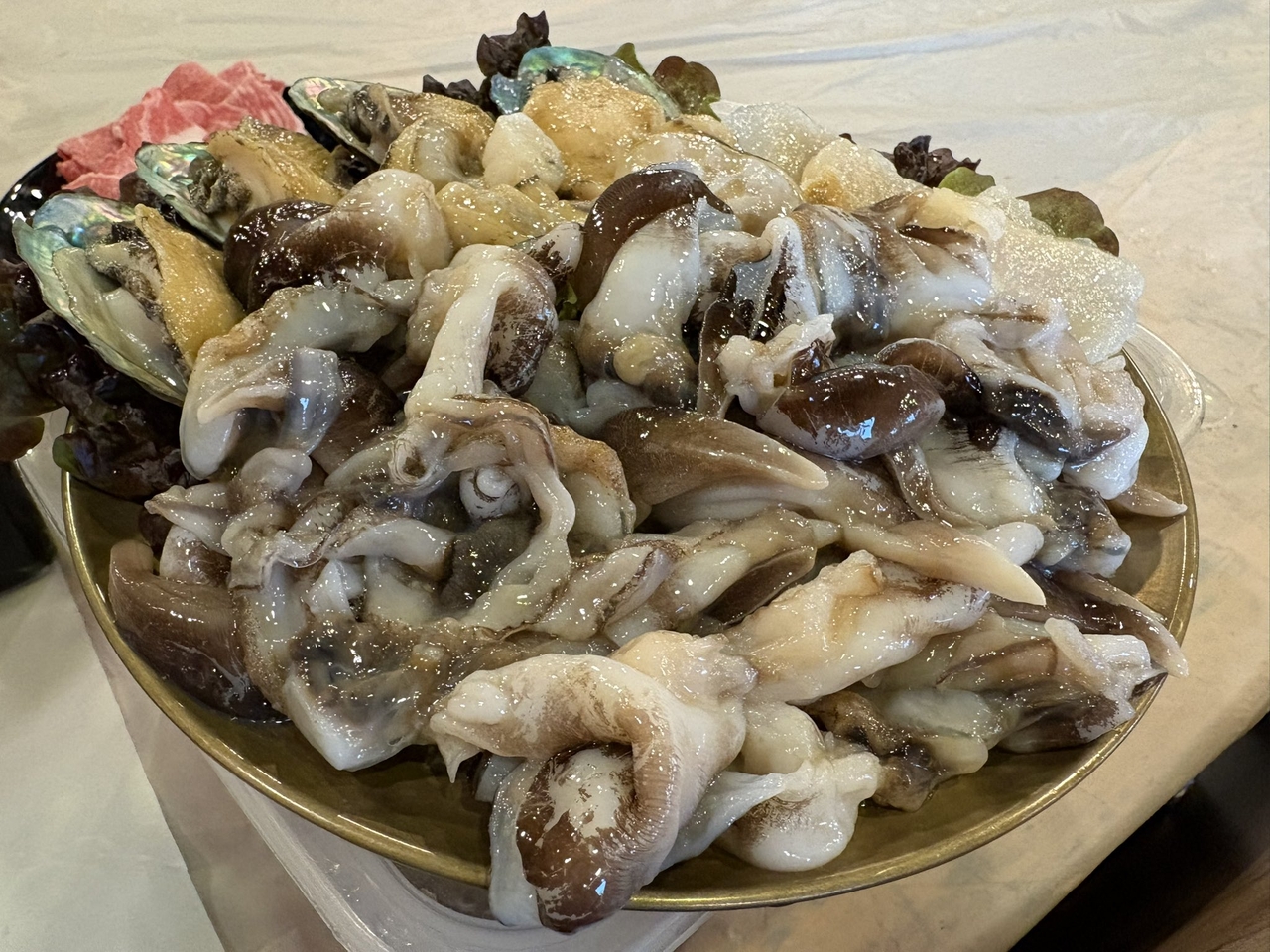
The problem is that surf clam prices haven’t returned to previous levels. Despite reports of improved yields, prices remain high relative to past years. This is not simple vendor gouging — the festival committee set a fixed-price policy to protect visitors.
The committee set the surf clam price at 120,000 KRW (about $90) per 1 kg (shell excluded) for packaged sales and 130,000 KRW (about $97.50) per 1 kg for restaurant sales. By comparison, in 2024 the packaged price was 70,000 KRW (about $52.50) per 1 kg and restaurants charged 80,000 KRW (about $60); prices have roughly doubled in two years.
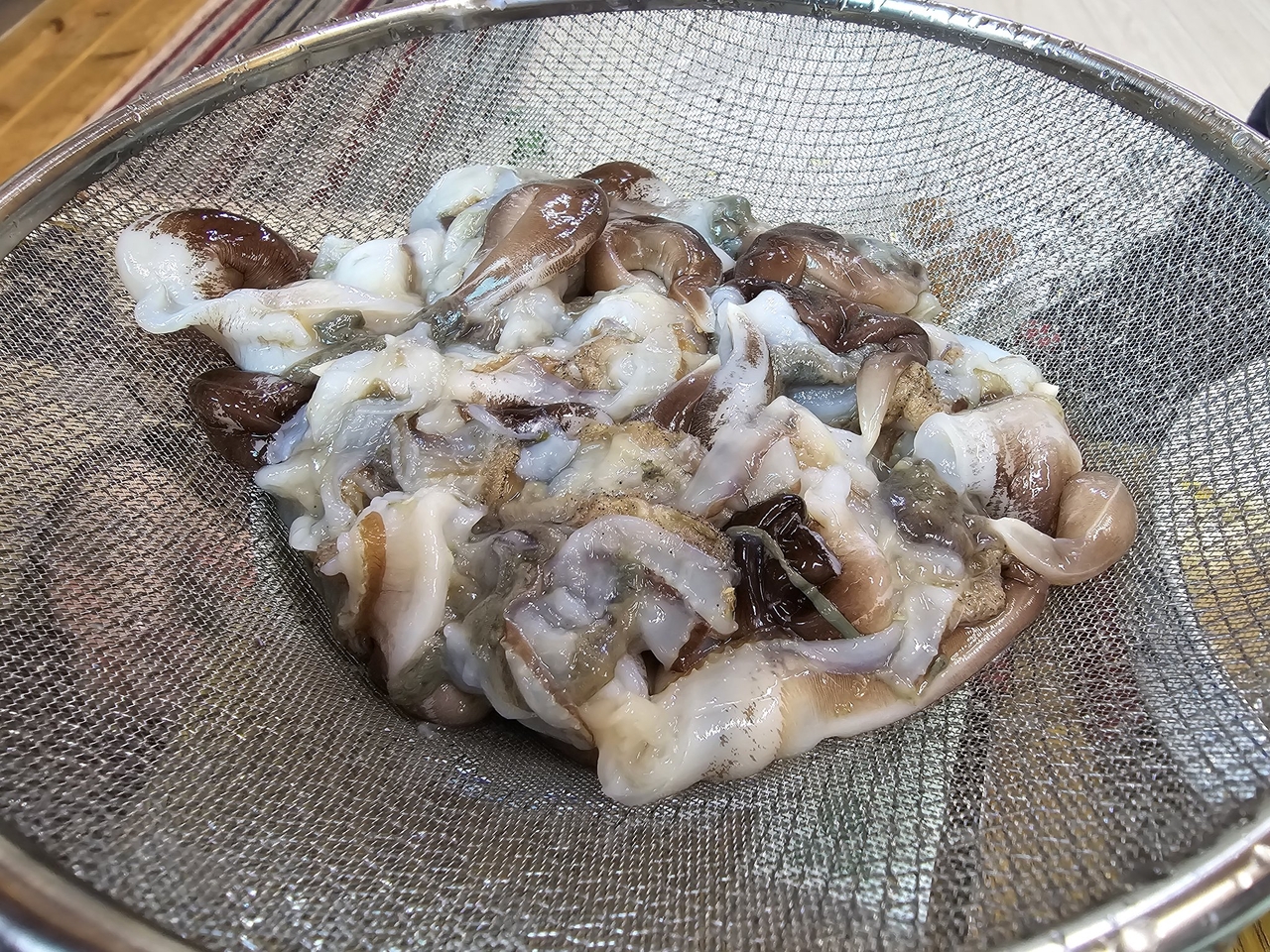
Climate change has pushed surf clam prices higher. The immediate cause is rising sea surface temperatures during summer heatwaves. Surf clams typically spawn in May. After summer and into winter they grow to about 6–7 cm (2.4–2.8 in). They thrive in water between 15–25°C (59–77°F), but mortality begins when temperatures exceed 30°C (86°F).
In summer 2024, water temperatures in the Cheonsuman area repeatedly topped 30°C. Authorities issued high-temperature marine advisories — which trigger when temperatures exceed 28°C (82.4°F) — for 71 consecutive days, the longest stretch on record. Naturally, many surf clams in the Namdang Port area died, reducing harvests.
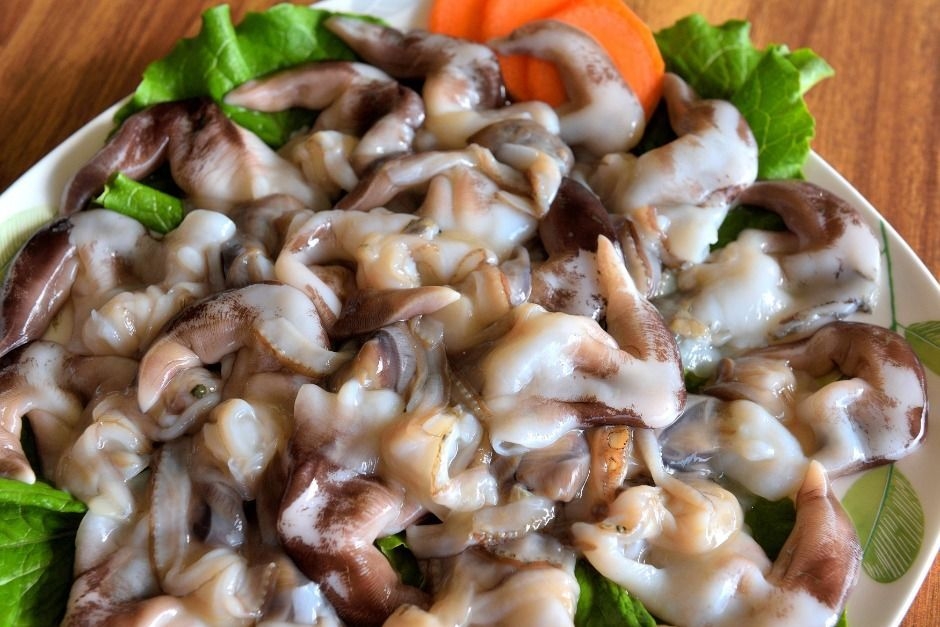
Last summer was milder than 2024, so conditions improved somewhat this year. Yet supply still can’t meet demand, keeping prices elevated.
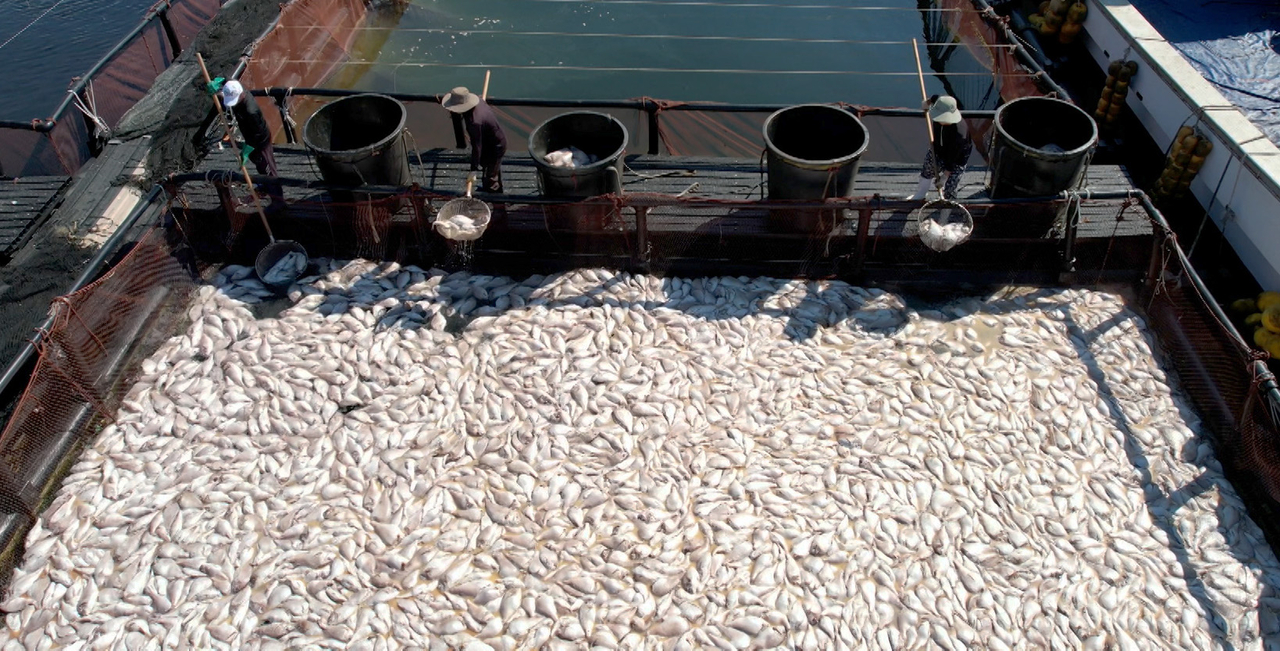
Outlook for next year is not encouraging. The Korea Meteorological Administration forecasts an 80% chance that sea surface temperatures around Korean waters this year will be higher than the 1991–2020 average (16.4–16.6°C). If high temperatures cause surf clam die-offs this year, next year’s harvests and prices will likely remain elevated.
Worried residents and local governments are focusing on aquaculture technology to sustain surf clam production. Previously, the Fisheries Resources Research Institute began developing artificial breeding using surf clam larvae in 2016 and succeeded in mass-producing clam seed after inducing spawning in 2019.
Did you enjoy this? Speaking Earth publishes a newsletter full of the latest climate and environmental news. It includes stories we couldn’t fit in the article and useful everyday tips you might miss. ↓↓To subscribe, copy and paste the link below into your browser↓↓ https://speakingearth.stibee.com/