As advanced science and technology nations abroad—especially China—showcase rapid development and intensive talent cultivation, calls to emulate them have intensified. But some experts warn that uncritically adopting attractive models can lead to costly mistakes.
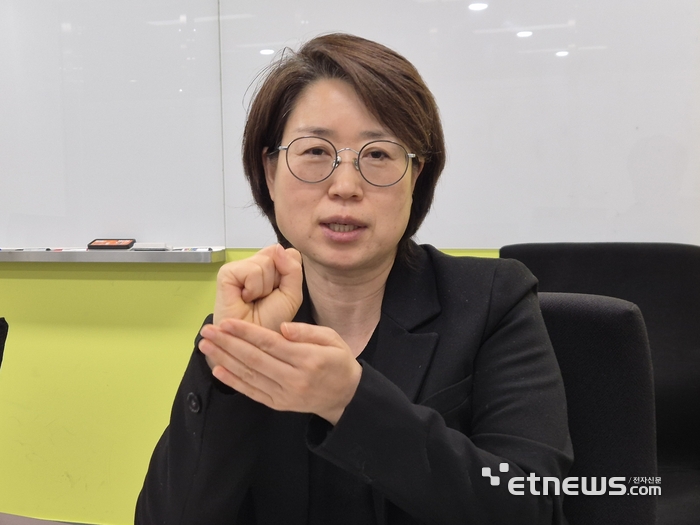
Um Mi-jeong, director of the Science and Technology Talent Policy Center at the Science and Technology Policy Institute (STEPI), voiced that caution. She warned against falling into China-style elitism and noted that China’s science and technology “gifted education” and talent pipeline are not new to Korea.
She pointed out that Korea established the Korea Advanced Institute of Science and Technology (KAIST) in the 1970s, launched science high schools in the 1980s, and introduced gifted programs for elementary and secondary schools in 2004. Those steps created an elite science-and-technology pipeline extending from primary school through graduate study. If anything, she argued, China is following Korea’s lead.
She also argued that an education system focused on producing a small elite can no longer underpin substantial growth. “A strategy that relied on cultivating a few to support the many was effective until the 2000s,” she said. “We no longer live in a $10,000 GDP era; we stand on the threshold of $40,000. A much larger economy cannot be driven by a handful of top talents; broad-based intellectual capacity is required for major growth.”
She stressed that skilled STEM workers must be available not only to Samsung Electronics, SK Hynix, and Naver, but also to small and medium-sized enterprises—something China’s elite-focused model cannot deliver.
“You cannot mass-produce high-tech, convergent products with only a handful of specialists,” she said. “By the 2010s, talent theories that emphasize inclusive growth had already begun to shape national talent policies. Would it not be odd if we still followed 1990s-era policies today?”
Looking ahead, she said the central issue is whether talent is being put to effective use.
“We need to supply more and better STEM and science-and-technology talent to university faculties, government-funded research institutes, and R&D companies,” she said. “Above all, we must build an ecosystem that allows these professionals to perform at their full potential in their respective fields.”
Kim Young-joon, reporter kyj85@etnews.com