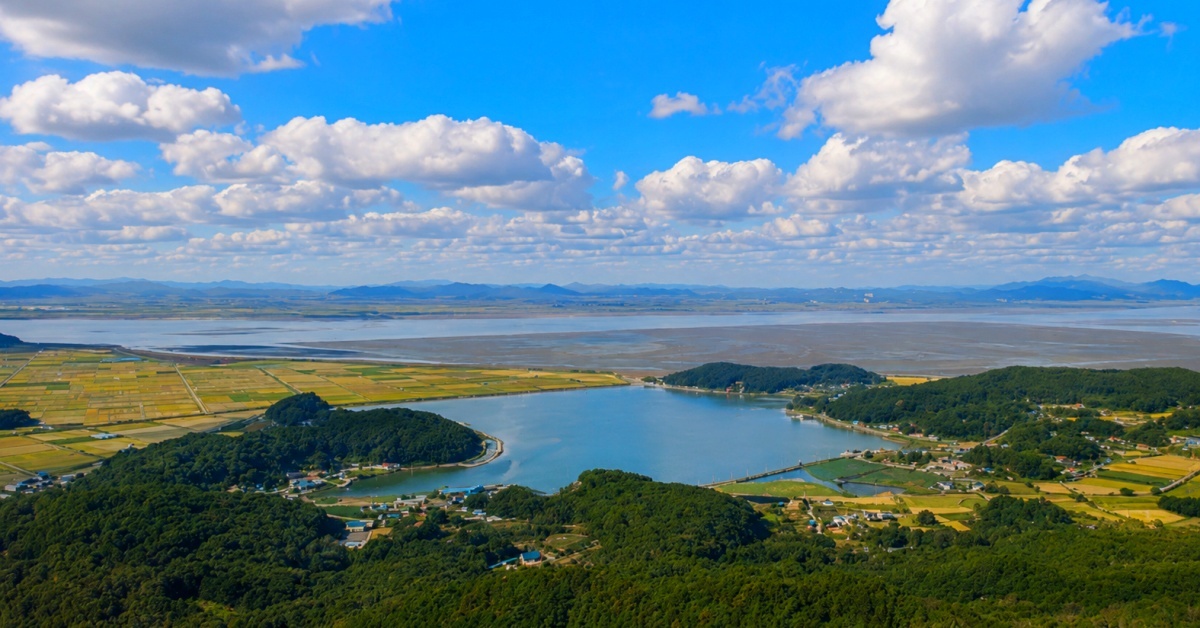
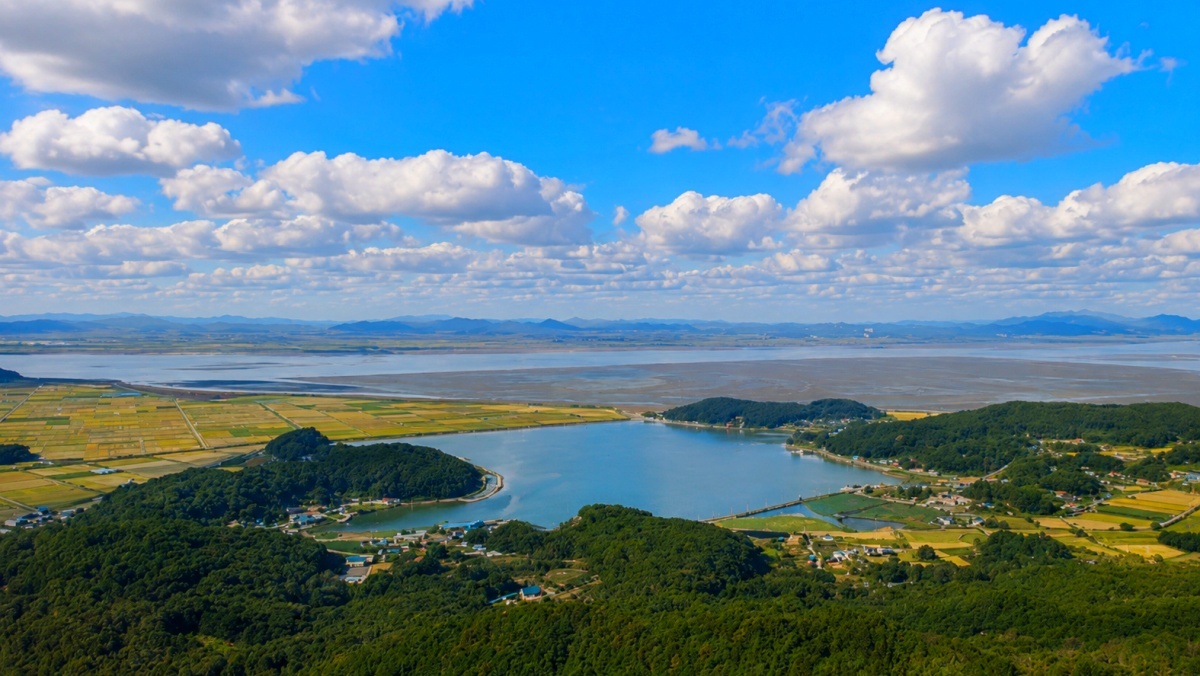
Gyodong Island, in Ganghwa County, Incheon, sits inside a civilian access control zone. The island combines the tension of Korea’s northernmost Yellow Sea border with tranquil rural landscapes. Since the Gyodong Bridge opened in 2014, visitors can drive onto the island without taking a boat. Much of Gyodong still feels frozen in time, though, preserving an old-world atmosphere that carries the hardships and history of displaced families.
Gyodong first received its name during the reign of King Gyeongdeok of Silla. In the Goryeo era, it acted as a maritime gateway to Gaegyeong and lay near Byeokrando, a major international trading hub, making the island an important economic and military outpost.
Under Joseon, Gyodong’s strategic position made it a key defensive point for the capital alongside Ganghwa. Its sea‑surrounded, isolated geography also made it a common exile site for members of the royal family; records even note deposed rulers spending their final years there.
The Korean War reshaped Gyodong’s identity. During the conflict, the island temporarily sheltered people fleeing Yeonbaek County in Hwanghae Province. After the armistice drew the new border, many evacuees could not return home and instead settled on Gyodong, creating a community of displaced people.
Gyodong lies only 2–3 km (about 1.2–1.9 miles) from North Korean territory. On clear days, activity across the water is visible to the naked eye. That proximity gives Gyodong a dual character: a peaceful countryside with a front-row view of the peninsula’s division.
Streets frozen in time: the scene at Daeryong Market
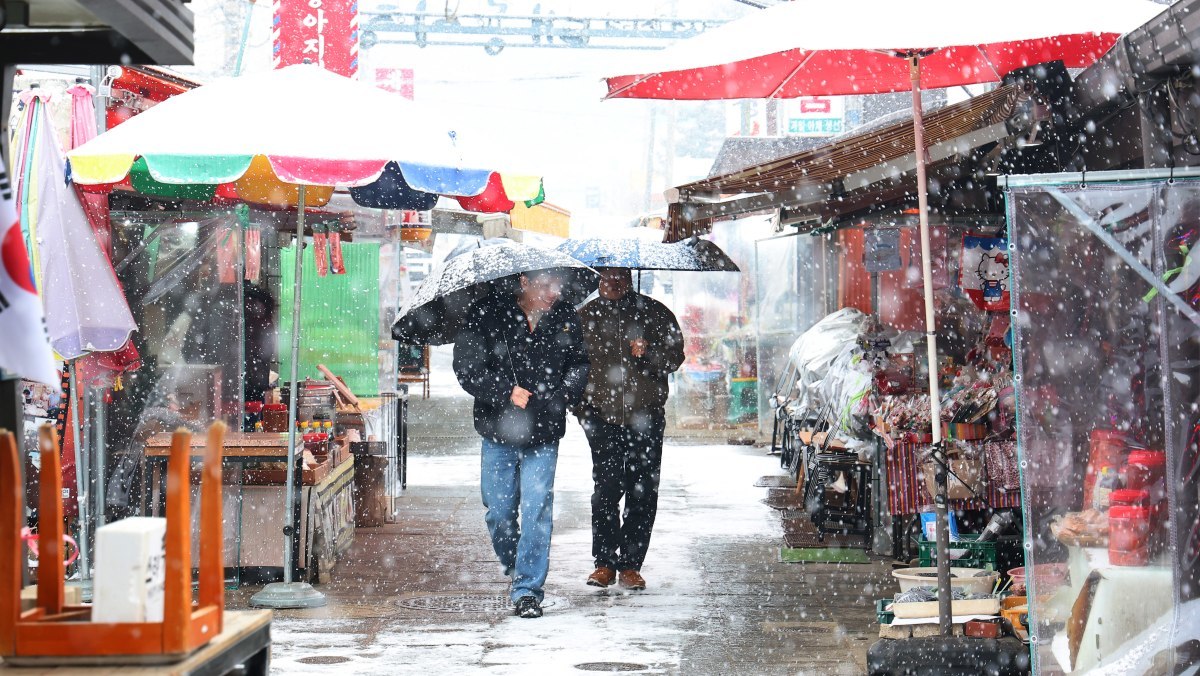
Daeryong Market is the island’s center and the first stop for most visitors. Residents who fled Yeonbaek during the Korean War modeled this market on the one in their hometown, creating a network of narrow alleys lined with shops and stalls.
Worn signs and rough murals along the tight lanes offer glimpses into daily life. Because buildings have not been rebuilt or significantly renovated for decades, the market still resembles a 1960s–70s Korean street market.
The alleys brim with nostalgia: swallows nesting under eaves, an old barber shop, and a pharmacy sign in an old-fashioned script all evoke memories for visitors.
Recently, a retro trend has drawn younger crowds, and hip cafés and snack shops have opened. Daeryong Market also offers a distinctive attraction: North Korean–style traditional foods like Yeonbaek gangajitddeok (dog-shaped rice cakes).
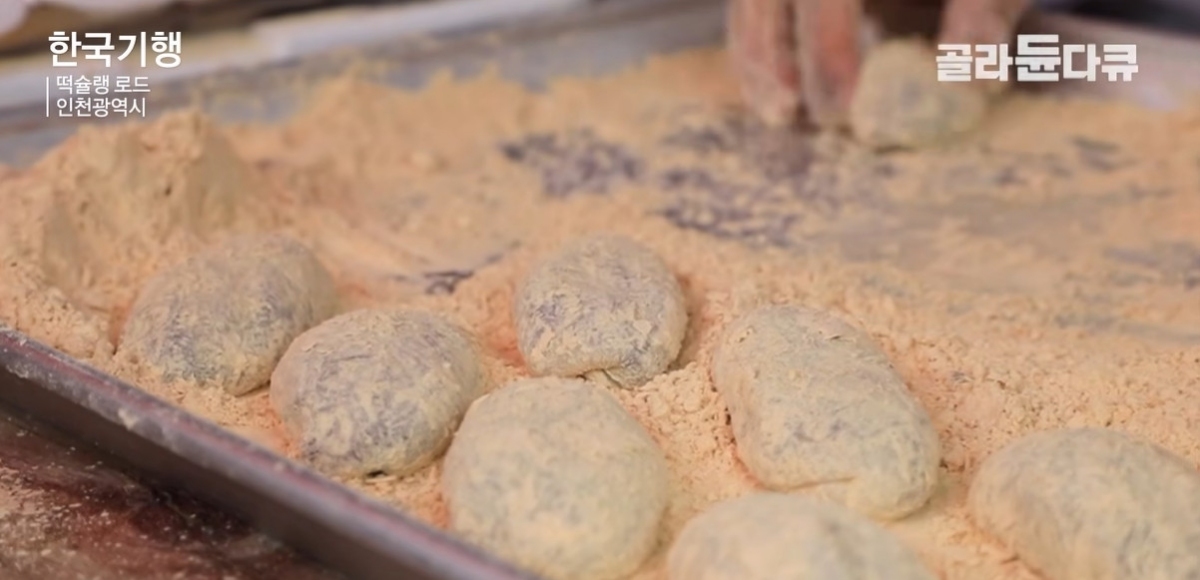
Yeonbaek gangajitddeok originates from the Yeonbaek region of Hwanghae Province and is named for its resemblance to a small dog. Vendors shape rice flour into elongated or round forms and sometimes fill them with sweet red bean paste.
The cakes are plump and chewy with a mild flavor. They are commonly served at ancestral rites and on holidays.
Daeryong Market’s hours vary by shop, but most vendors open from about 10 a.m. to 7 p.m. If you drive, use the nearby public parking lot.
Manghyangdae and Hwagae Garden, sites for remembering and hoping for peace
Manghyangdae, on Gyodong’s northwest, is where displaced residents hold memorial rites and gaze toward their lost homeland. From there, the Yeonbaek plains in Hwanghae spread so close they can appear within reach. Through a telescope, visitors can even make out people working in fields or walking along paths.
The site contains no grand architecture—only a memorial stone and several telescopes—but it captures Gyodong’s blend of sorrow and hope.
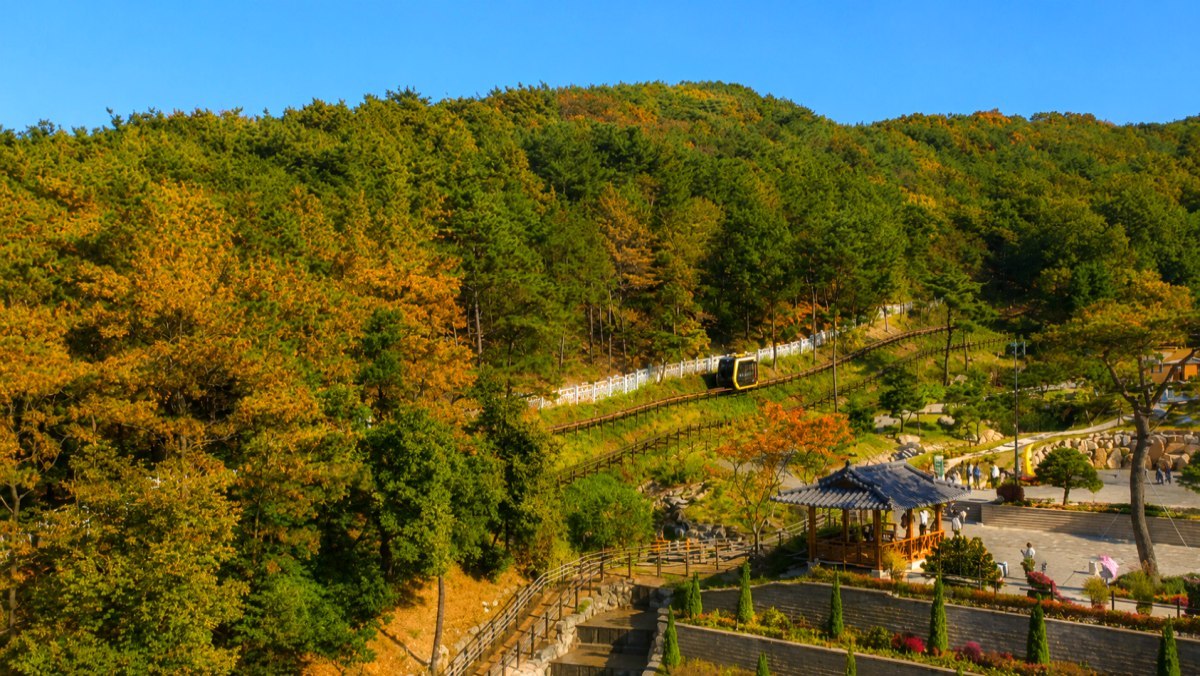
Hwagae Garden, a newer landmark on the slopes of Hwagae Mountain, is a large recreational complex. Hwagae Mountain rises about 259 meters (about 850 ft), and the summit offers views of North Korea’s Hwanghae Province and the Yellow Sea.
Hwagae Garden features five themed gardens and well-maintained walking paths. The skywalk near the summit provides a 360-degree panorama of Gyodong, Ganghwa, Seokmodo, and even parts of North Korean territory.
Part of the observation deck’s floor is glass, offering a thrill, and a monorail makes the climb to the summit accessible for older visitors and children.
Hwagae Garden is open from 8 a.m. to 7 p.m., with extended hours until 8 p.m. on weekends. Visitors may enter until one hour before closing.
Admission: Hwagae Garden (including the observatory) 5,000 KRW (about $3.75), round-trip monorail 14,000 KRW (about $10.50). Public parking is free.
Gyodong Eupseong, where Joseon history breathes
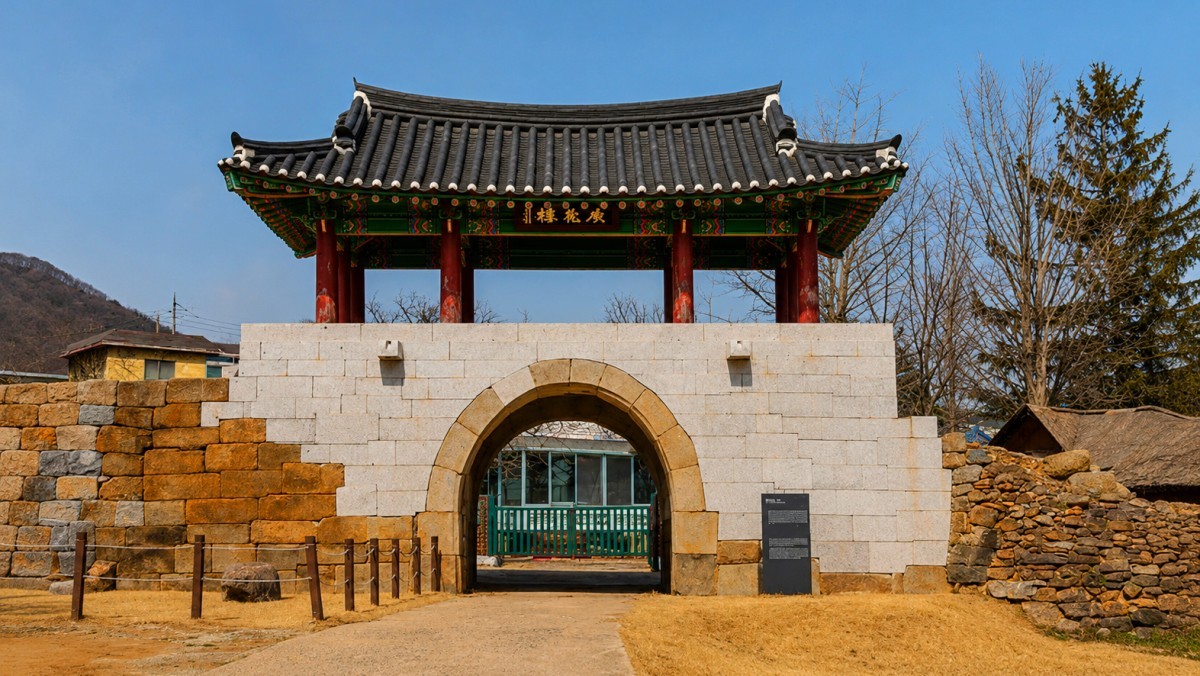
Gyodong Eupseong, in the Eumnae-ri neighborhood on the island’s southeast, is a symbolic relic spanning the Goryeo and Joseon periods. The fortress dates to 1629 (the seventh year of King Injo), when the king moved a naval garrison to Gyodong. Along with Ganghwa, the fortress formed a critical outer defense for the capital.
The fortress enclosed roughly 430 meters in circumference. Though small, it uniquely combined the functions of a walled town and a naval garrison because of its seaside location.
The southern gate, the fortress’s focal point, underwent a comprehensive restoration in 2018 and regained much of its original appearance. After years of weathering had left only an arched stone gate, restorers rebuilt the gatehouse and repaired sections of the wall.
People still live inside the fortress walls, tending fields and carrying on daily life. That coexistence of living community and heritage site gives Gyodong its quiet, distinctive character.
Surrounding the fortress are historical traces, including Gyodong Hyanggyo (the local Confucian school) from the Goryeo era and the site of an old government office. At sunset, the sea beyond the walls turns red, leaving a deep impression unique to Gyodong Eupseong.
Nanjeong-ri Sunflower Village
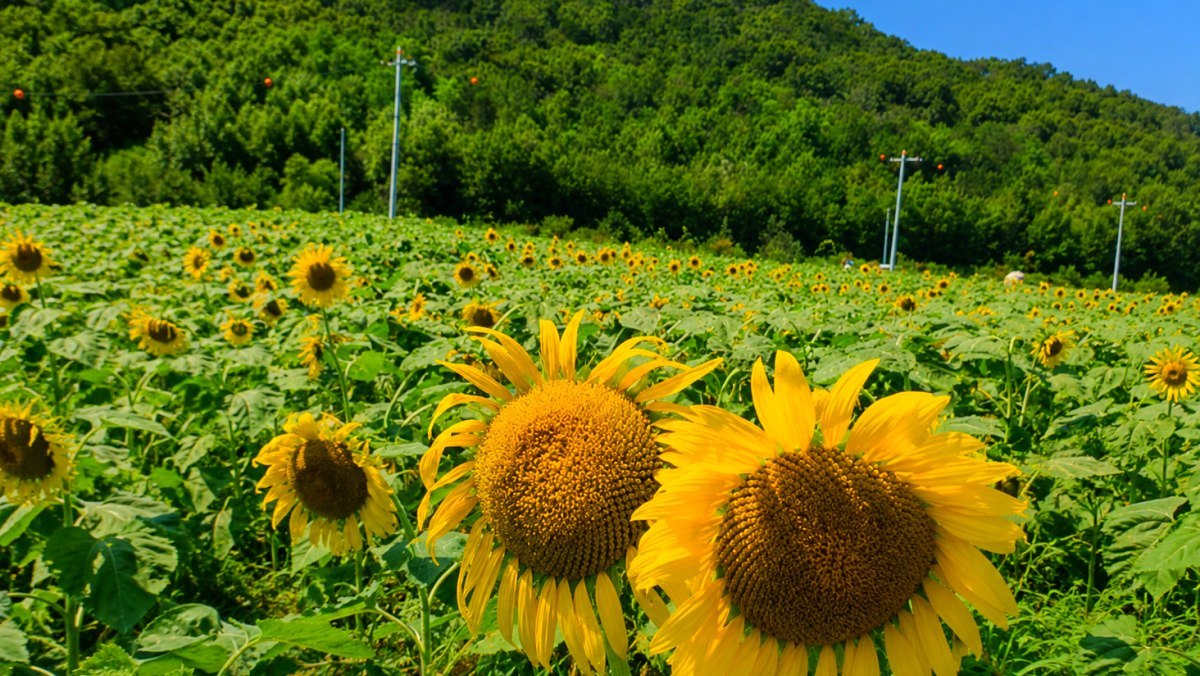
Nanjeong-ri Sunflower Village paints the quiet reservoir shore in brilliant gold and is one of Gyodong’s signature seasonal attractions. The garden covers roughly 33,000 m² (about 8.15 acres) near Nanjeong Reservoir and hosts the largest sunflower field in the Seoul metropolitan area.
Villagers reclaimed previously unusable public water surface and planted about 100,000 sunflowers, creating the current expanse.
The annual Nanjeong Sunflower Festival draws large crowds from across the country. Photo spots dot the garden, and the rainbow umbrellas available at the entrance make for striking contrasts with the sunflowers and great photos.
Nanjeong-ri Sunflower Village is open year-round, and the festival typically runs from mid‑August to mid‑September.
How to get to Gyodong
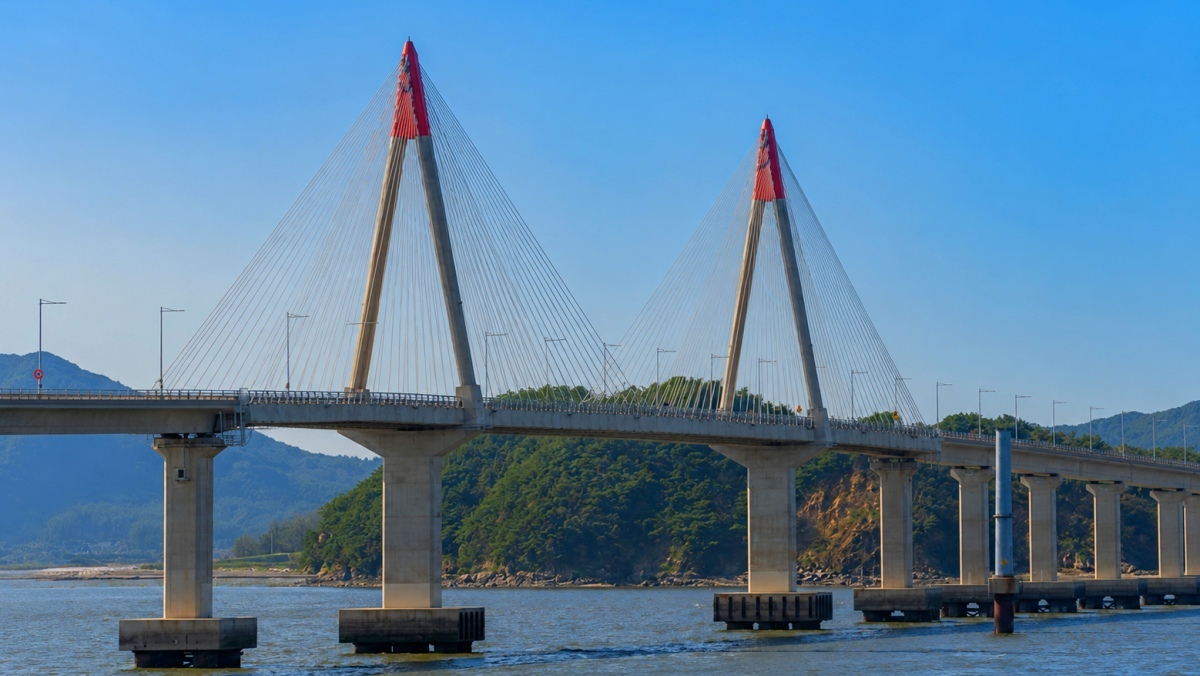
Administratively, Gyodong belongs to Ganghwa County, Incheon. To reach the island, drive across Ganghwa Bridge or Chojidaegyo to enter Ganghwa Island, then continue west and cross the Gyodong Bridge.
In the past, visitors took a 20‑minute ferry from Changhu‑ri on Ganghwa, but today you can drive directly onto the island.
From Seoul City Hall, driving takes about 1.5–2 hours. If you use public transit, transfer at Ganghwa Terminal to a local bus bound for Gyodong; note that buses run infrequently, so check schedules in advance.
Gyodong is inside a military‑controlled area, so you must complete an ID check at a Marine Corps checkpoint before crossing the Gyodong Bridge. Officials have replaced handwritten access logs with a QR‑code registration system, which has simplified the process.
Bring a photo ID—such as a driver’s license or resident ID—and follow checkpoint staff instructions to receive and display an entry pass on your vehicle’s windshield. Because of the area’s military sensitivity, authorities may restrict access after sunset.