Culture is a right that must be guaranteed to everyone. People with disabilities are not merely consumers; they are creators of culture and the arts.
On April 20 — Korea's Disability Day — we spoke with a man who creates stages where people with disabilities can fully demonstrate their talents and potential as cultural creators.
Seong-sik Seo (66, pictured), president of the Incheon chapter of the International Association for Cultural Exchange for People with Disabilities, lives with a level-2 physical disability. Rather than remain a passive recipient of aid, he chose to lead cultural-arts education for people with disabilities and to spearhead efforts to change public perceptions.
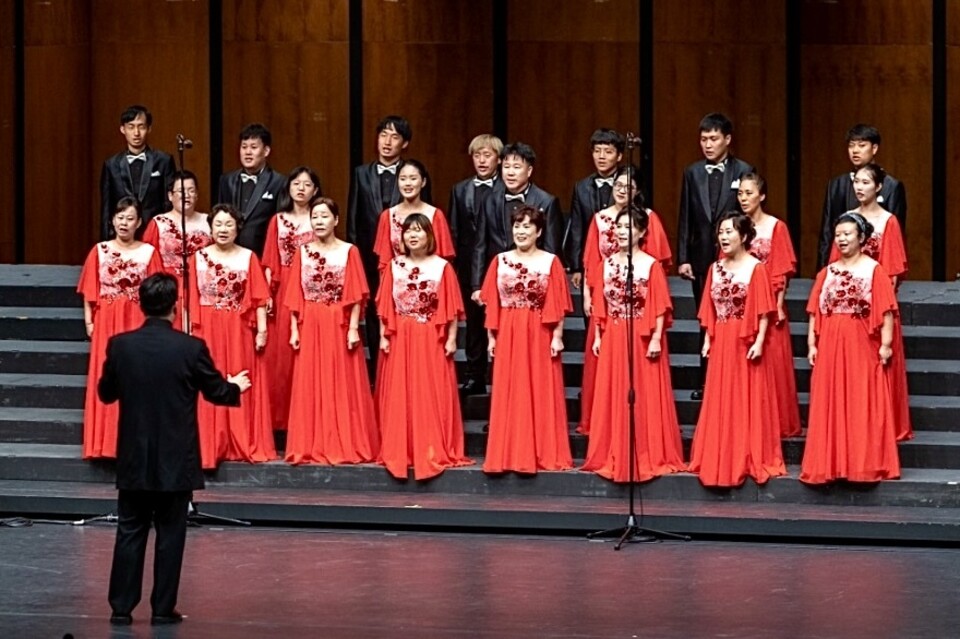
The association was founded in 2023 to foster interaction between people with and without disabilities through the arts and to improve public awareness. Its primary program is choral training for people with disabilities: the Sandeulbaram Choir, which helps members regain confidence and engage with society through music.
The group also organizes the Incheon Choir Competition for People with Disabilities and stages concerts and public campaigns to reduce stigma and promote a more inclusive community.
Seo did not always focus on disability arts. Encountering talented individuals who had no chance to perform left a lasting impression on him.
“I have volunteered with people with disabilities for many years,” he said. “I realized that, while most receive basic welfare support, access to cultural and artistic opportunities remains limited. That was when I resolved to create environments where people with disabilities can participate as agents — not just consumers — of culture.”
For Seo, culture is more than a hobby. It is a vital pathway for improving quality of life, strengthening self-esteem, and connecting people with society. That is why he insists culture must be guaranteed for people with disabilities.
The changes he sees in the classroom are striking. Participants who once could not stand in front of others gradually find their voices through choir practice, form steady relationships with fellow members, and grow more outgoing.
“I still remember the day the stage changed someone's life,” he said. “After finishing a song and receiving applause, one performer burst into tears and said, ‘Now I can do it, too.’ That moment drove home the power of the arts.”
Seo says that although access to cultural enjoyment for people with disabilities has expanded recently, opportunities for direct participation in the arts remain limited. He emphasizes the need for a fundamental shift in social attitudes to recognize people with disabilities as equal partners in creating culture.
He called for building sustainable arts-education systems that support continuous growth, expanding professional staff to provide tailored training by disability type and stage direction, and increasing opportunities for artists with disabilities across local festivals, performances, and broadcasting.
On Disability Day, Seo urged reflection on what it means to live together as a society. He noted that beyond simple acts of courtesy, the environments society creates and the opportunities it opens can fundamentally change the lives of people with disabilities.
“We must build environments where people with disabilities can participate as full, confident members of society,” he said. “Culture is one of the most powerful forces for that change: it opens hearts, fosters understanding, and breaks down prejudice.”
He added, “For people with disabilities, culture is an outlet for self-expression and a bridge to the wider world. I will continue to work so that people with disabilities can participate as creators and so we build a society everyone can enjoy and relate to together.”
/By Seongwon Byun, reporter bsw906@incheonilbo.com