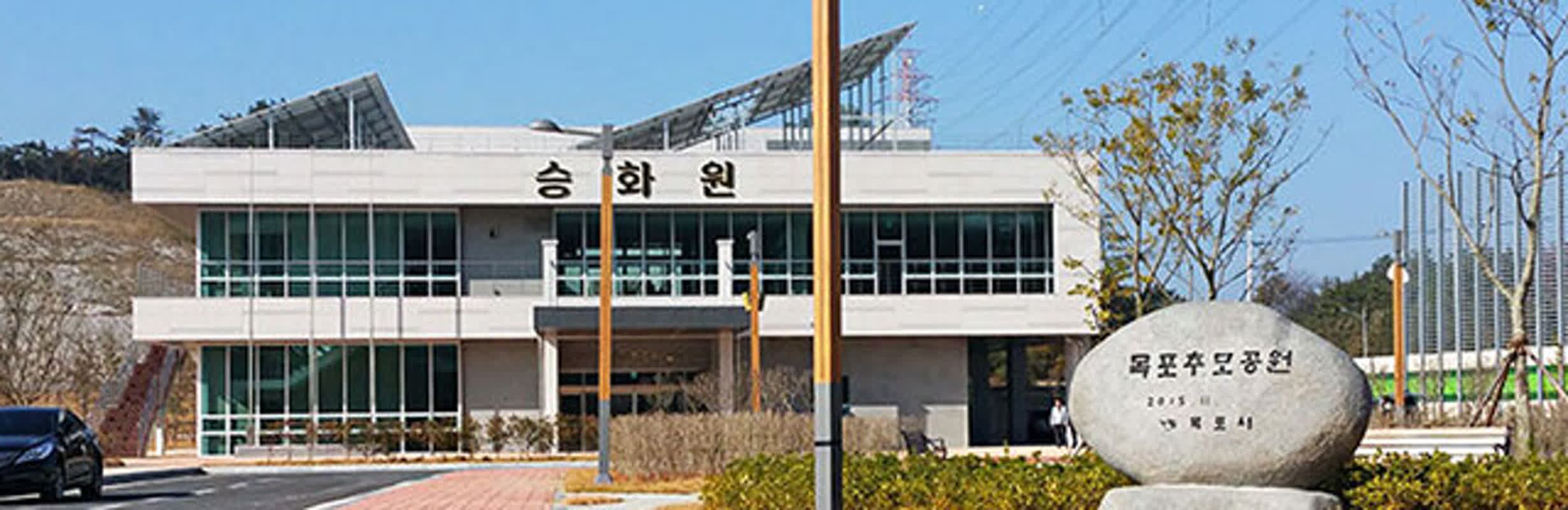
The park commuters passed every morning became, at last, the place for a final farewell. 50 days after the fire at Anjeon Industrial in Daejeon that left 74 people dead or injured, families and colleagues gathered at Munpyeong Park near the site for a memorial. Walking the same route they had taken to work each day, relatives called out the names of those who never returned, and coworkers and residents bowed their heads, resolved that no workplace should ever again become someone’s last place.
Daejeon city officials and the Ministry of the Interior and Safety organized the ceremony to share the families’ grief and honor the workers who died. The event also served as a public reaffirmation of the importance of safety and a pledge to review disaster response systems to prevent a recurrence.
Munpyeong Park is close to Anjeon Industrial. The victims used to pass through the park on their commutes and sometimes paused there. On the 7th, Daejeon City and the ministry moved the joint memorial site from city hall to the park. After the conclusion of the 49-day rites and the memorial, the joint memorial site closed.
The fire happened on March 20. 14 workers who left for work as usual never returned after the blaze at Anjeon Industrial. 60 others who worked with them sustained injuries, from minor to severe. In an instant, the blaze engulfed 74 lives and left their families frozen in that moment.
About 300 people attended the memorial, including bereaved family members, Daejeon city officials, and representatives from the Ministry of the Interior and Safety. The service included a eulogy, incense offering and wreath-laying, readings of condolence letters, a memorial performance, and the transfer of the memorial tablets. Officials from the Chungcheong Trauma Center at National Gongju Hospital, under the Ministry of Health and Welfare, were also present to support the families.
Relatives ultimately broke down before the memorial tablets. A mother who had lost her son sank to the ground when she saw his tablet. They called names they would never hear again, and no one could easily break the silence that followed. For a long while, the park was filled with the families’ cries.
Children who had to say goodbye to their father offered brief, final farewells. They gently touched their father’s tablet and whispered short goodbyes. Those small voices landed with a sharp impact, and the ceremony dissolved into sobs.
The condolence letters conveyed the families’ longing plainly. One victim’s nephew wrote, “Don’t do hard work there—rest in peace,” and added, “I was happy to be your nephew.” Each short line expressed love left unsaid and the pain of a farewell that cannot be undone.
In his eulogy, Kim Han-su, the Ministry of the Interior and Safety’s disaster field support officer, said, “Along with our condolences and comfort, we will do our utmost to determine the exact cause of the accident and implement post-accident measures, as we have since the incident.” He pledged to build a memorial facility next to the workplace where the victims worked as soon as possible.
Daejeon Fire Disaster: How 74 Lives Were Lost and What We Must Learn
Lee Jun-seob. | 2026.05.10

Recommended Posts
Goo Ja-yeol's Apology: What This Means for His 2026 Mayor Campaign
How Jeju's 'Generational Care' Model Revolutionizes Child and Elderly Support
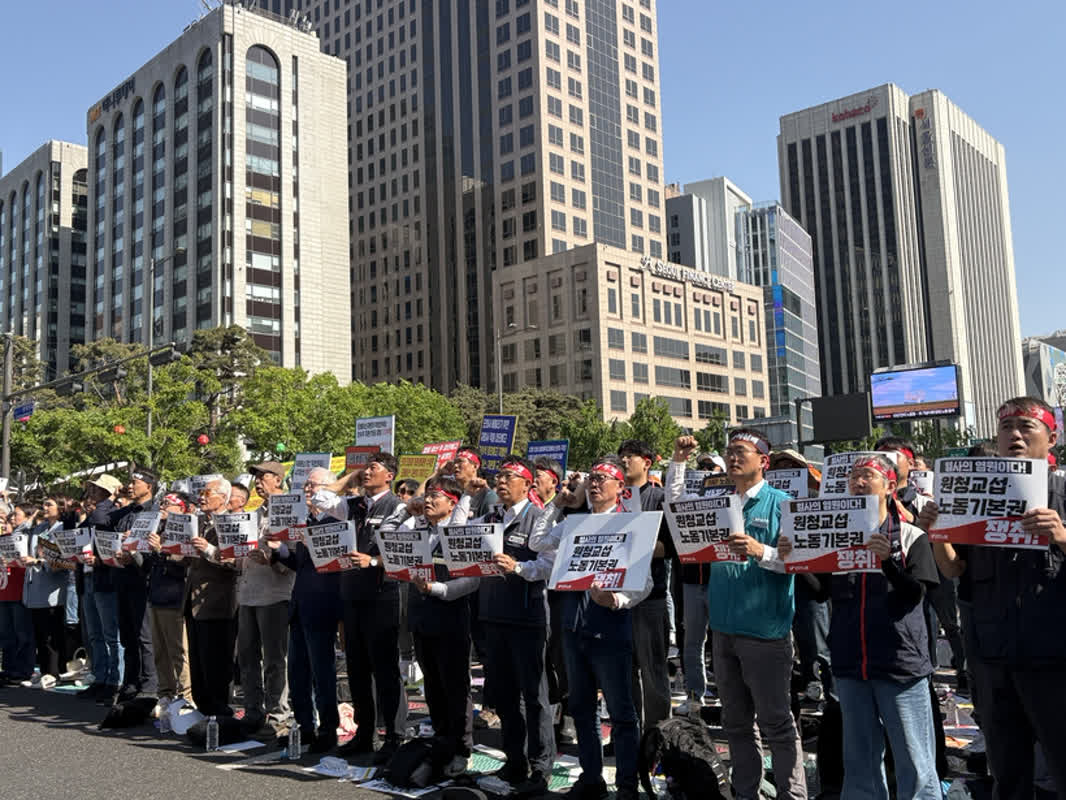
Labor Day Showdown: South Korean Workers vs. Government - What’s at Stake?
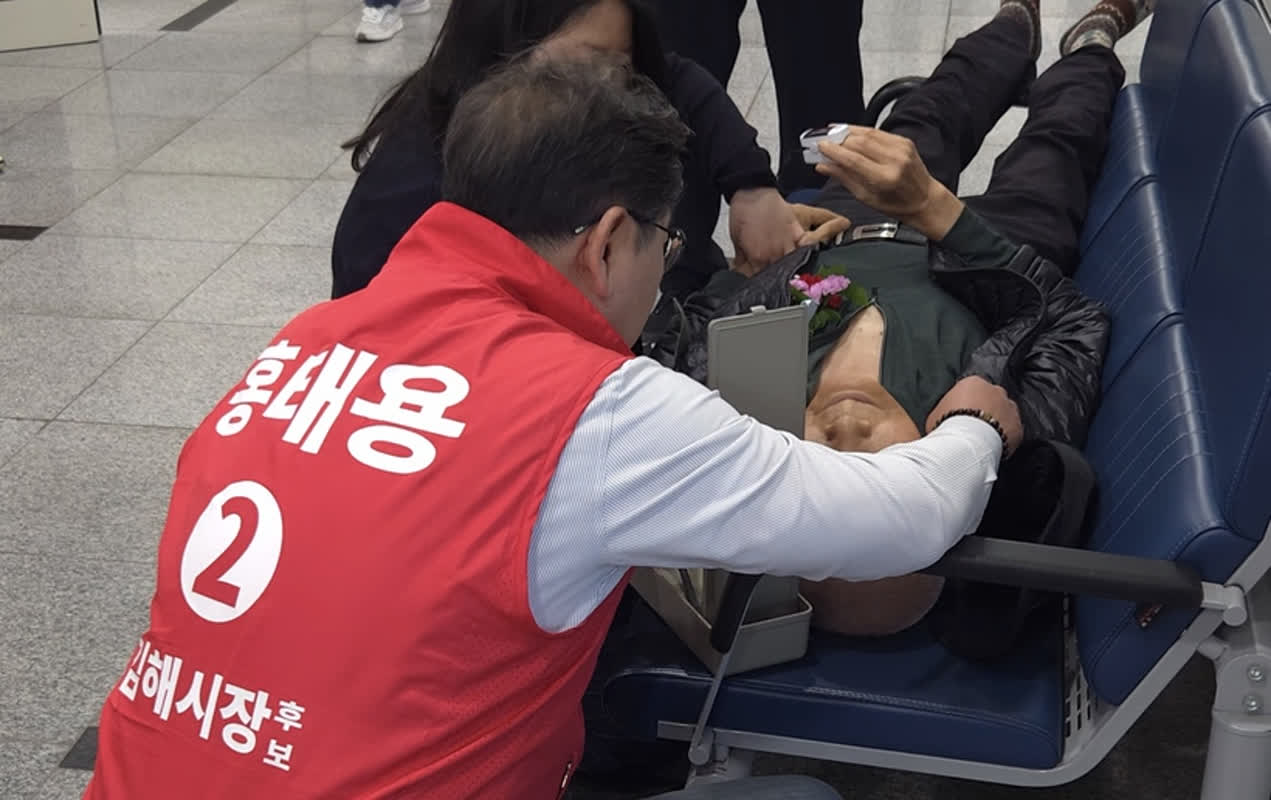
How Hong Tae-yong's Quick Medical Response Saved an Elderly Man on Parents' Day
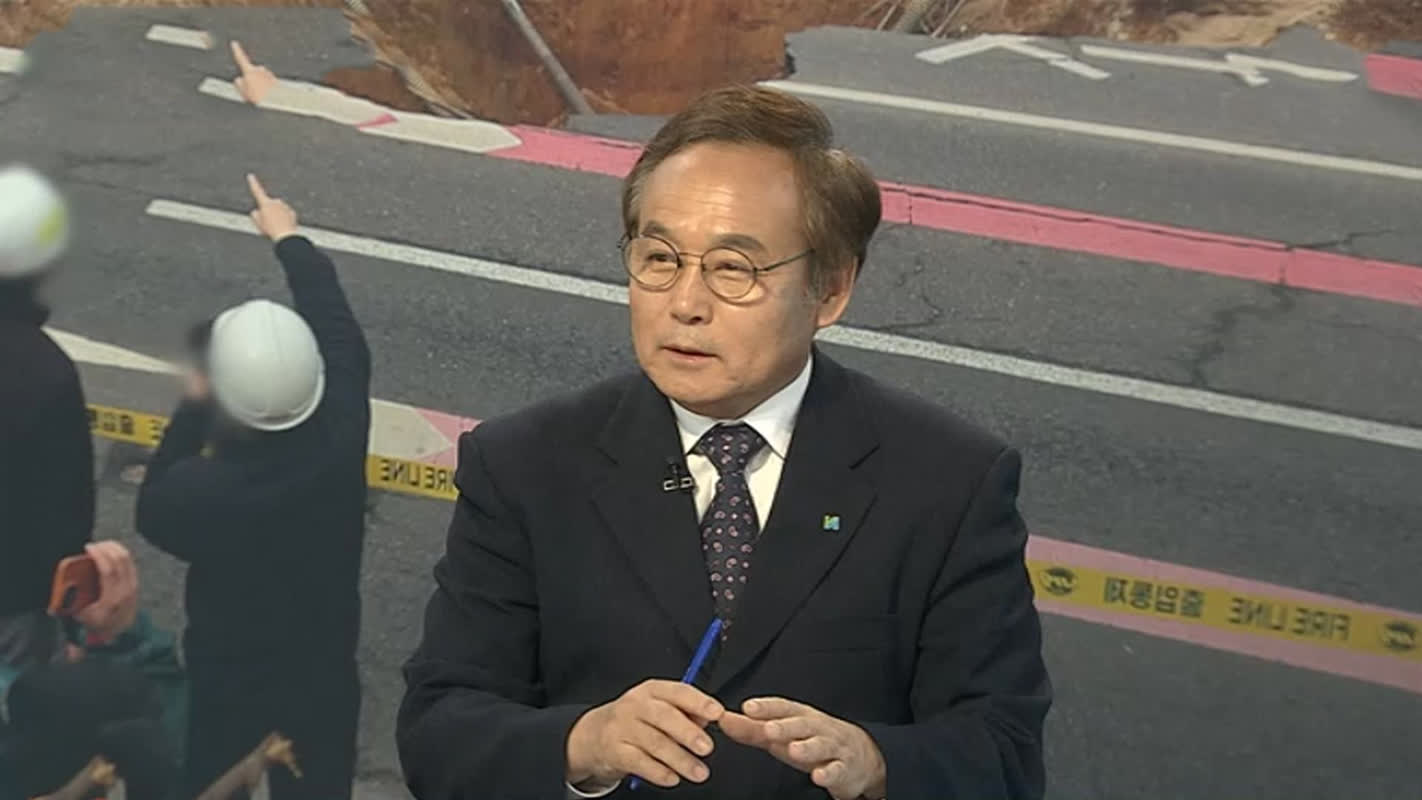
Top 5 Strategies to Prevent Construction Accidents: Expert Tips from Park Chang-geun
How President Lee Jae-myung Plans to Revitalize South Korea's Arts Sector in 2026
Latest Popular Posts
Real-time TOP