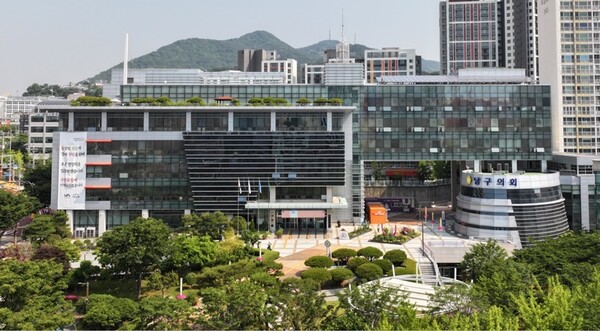
[Point Economy] The dispute over lax discipline and alleged improper allowance claims tied to the Nam-gu Office public servants’ union branch chief’s “de facto full-time” activities has escalated into a legal battle. The controversy may deepen after three law firms consulted by the Nam-gu Office independently concluded that the branch chief’s conduct constituted clear legal violations.
◆ 196 instances, ₩11,450,000 (about $8,588) — union work recorded as overtime
Our reporting indicates that between 2024 and 2025 the Nam-gu union branch chief, identified as A, received overtime pay on 196 occasions, totaling roughly ₩11,450,000 (about $8,588). The core concern is that A allegedly pursued union duties in an unauthorized, full‑time capacity without the appointing authority’s consent or formal leave procedures while collecting those payments.
The key allegation is that activities unrelated to official administrative duties—such as drafting statements, preparing rallies, and producing banners and placards—were logged as overtime. Under local civil service pay rules, overtime pay is permitted only when an official performs actual public duties.
We reached out to A several times for comment but did not receive a response.
◆ Experts: breach of the Local Public Officials Act
Legal opinions requested by the Nam-gu Office in February show all three law firms concluded that A’s conduct violated the Local Public Officials Act.
The advisory lawyers wrote that “receiving pay without actually performing public duties violates Article 48 (duty of fidelity), and leaving the workplace without permission violates Article 50 (prohibition on abandoning one’s post).” They also cited Article 3(2) of the Public Servants’ Trade Union Act, noting that public servants “must not act in ways that contradict duties prescribed by other laws when engaging in union activities.”
On the union’s claim of a “longstanding practice,” the lawyers added that illegal practices cannot be protected by collective agreements, concluding that the office’s investigation and disciplinary measures would be justified.
◆ Lack of a time-off policy helped entrench the practice
Observers say institutional gaps at the office helped create the conditions for this dispute. Our checks show Nam-gu Office has not officially implemented a working-hours exemption (time‑off) system for union duties.
Without a formal mechanism, the branch chief’s unauthorized activities and allowance claims appear to have been tolerated under the guise of “practice.” Some within the public sector say union autonomy should be respected, but they argue the office should have enforced stricter standards for paying public funds and that management bears responsibility for oversight failures.
◆ “Retaliatory probe” vs. “principled enforcement” — a sharp standoff
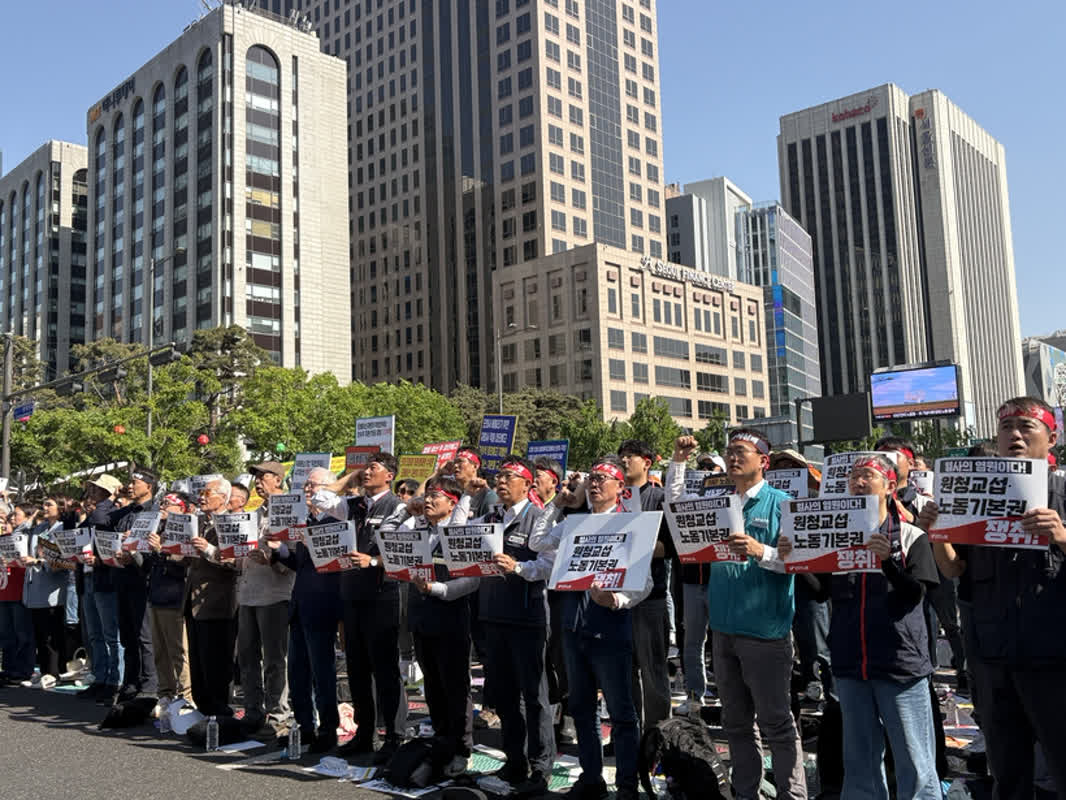
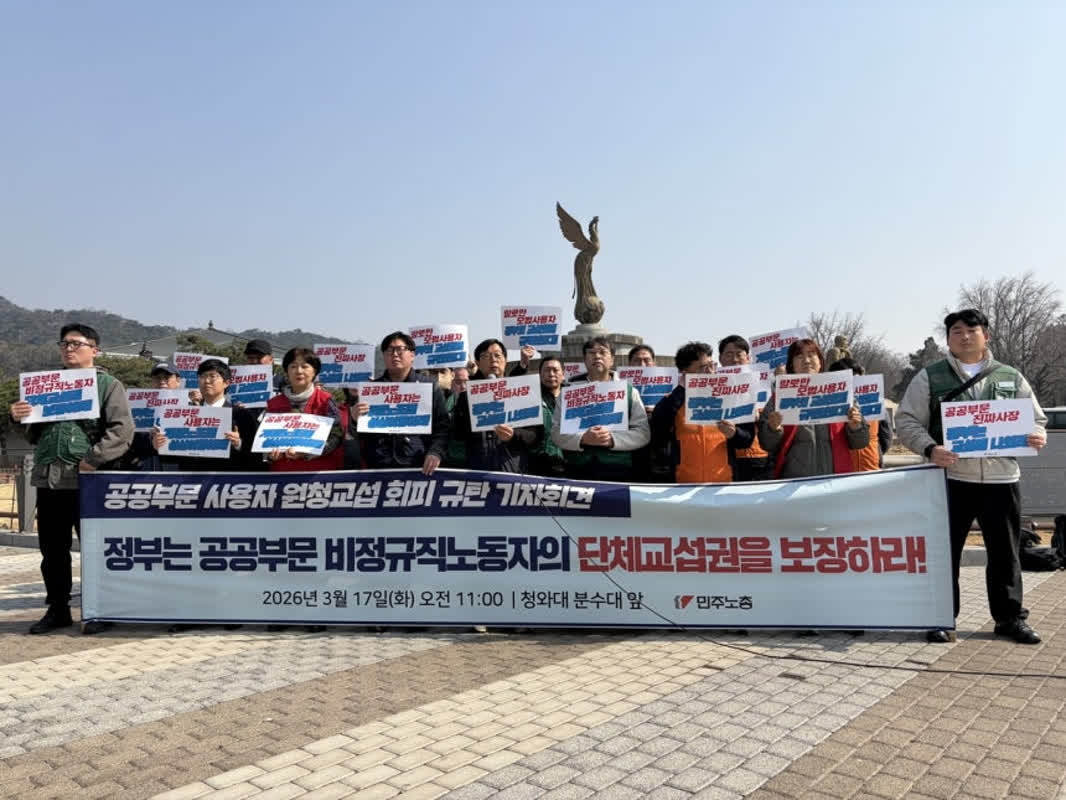
The union pushed back immediately. At a March 25 press conference, it labeled the probe “a clear retaliatory investigation” targeting a branch chief who had criticized the office’s heavy‑handed personnel actions and unfair directives. The union also alleged that private duty records were leaked and are being used to shape public opinion.
One law firm cautioned that “if the office tolerated a de facto full‑time arrangement for more than two years and then pursued discipline when a dispute arose, that could be viewed as an unfair labor practice.”
Ultimately, the case frames the office’s exercise of personnel authority to correct alleged illegal practices against the union’s contention that it amounts to targeted discipline. The courts are likely to determine whether the office’s actions were lawful.