Kim Seok-jun, superintendent of the Busan Metropolitan Office of Education, met with his counterparts from across the country to press for legal and policy reforms on key education issues, notably student commute safety and the integration of early childhood education and care.
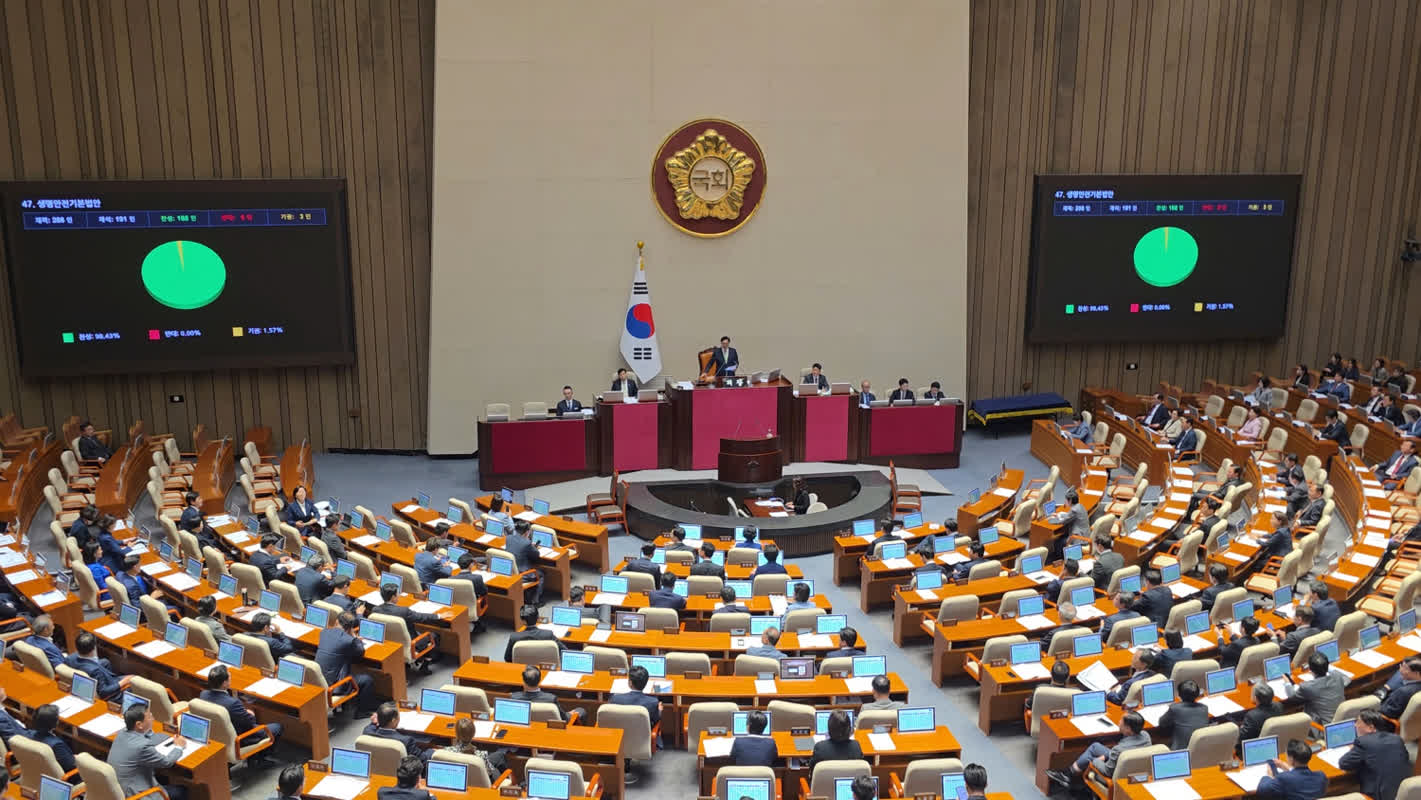
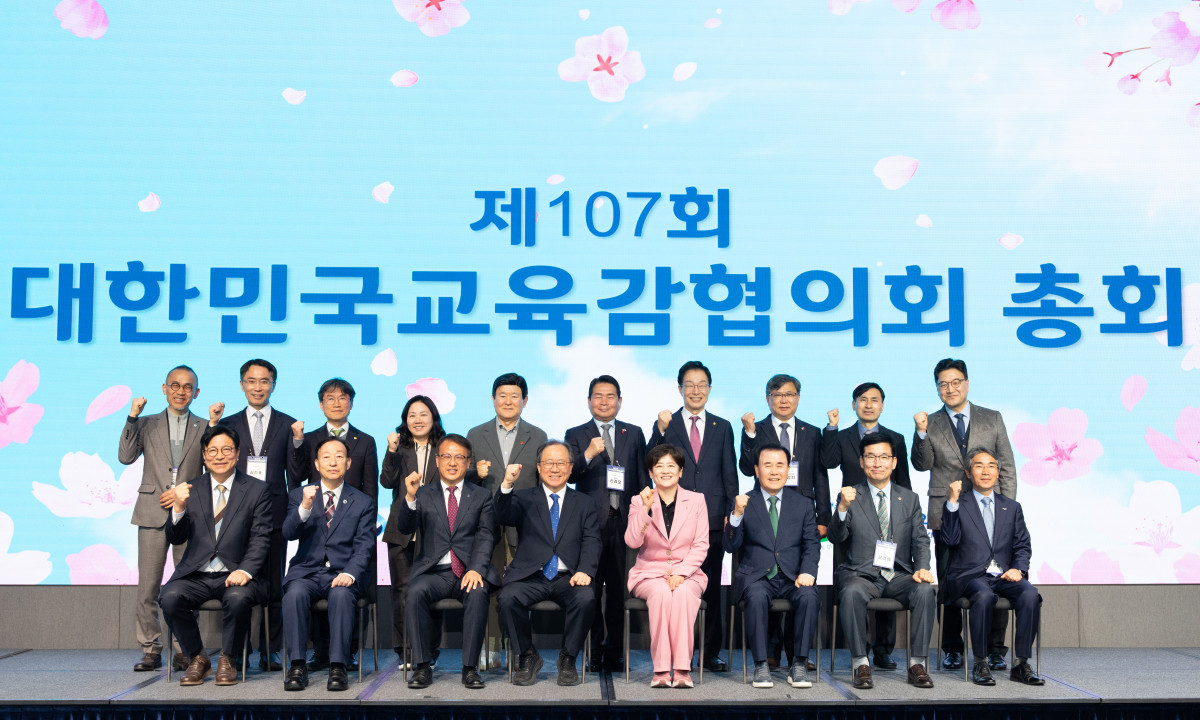
On March 26, Kim attended the 107th Korea Council of Superintendents Assembly in Busan, where he presented policy proposals and emphasized the need for a coordinated national response.
Hosted by the Busan Metropolitan Office of Education, the two-day assembly took place March 26–27 at the Wyndham Grand Busan in Seo-gu and drew superintendents from the 17 metropolitan and provincial education offices as well as officials from the Ministry of Education.
In his welcome address, Kim said, “I hope this gathering strengthens solidarity and cooperation through empathy and communication,” adding, “I expect we will develop practical measures that respond to a changing educational environment and give hope to the education community.”
“The 10m rule at bus stops hinders student safety”
Kim’s primary proposal at the assembly called for easing commute-related restrictions.
Under the current Road Traffic Act, vehicles other than route buses are prohibited from stopping within 10 meters of a bus stop. That restriction has made it difficult for school vehicles to load and unload where space around schools is limited.
Kim formally called for an amendment to the law to create a legal basis allowing students to board and disembark at safer locations.
He stressed this is not simply a convenience issue but a structural regulation that constrains student commute safety.
“Integration of early childhood education and care needs design, not declaration”
Kim also pushed for stronger government accountability on the integration of early childhood education and childcare.
He urged the Ministry of Education to develop a medium- to long-term roadmap and emphasized the need for a systematic plan to improve the policy’s stability and effectiveness.
Field educators have complained that the integration policy has provided direction without concrete implementation plans.
The proposal was widely read as prioritizing structural design over speed.
Busan-originated items move to the national agenda
The two proposals put forward by the Busan office—establishing a roadmap for integration and revising stopping restrictions for school vehicles—were approved by the assembly as submitted.
The Council of Superintendents plans to formally request institutional changes from the Ministry of Education and other relevant agencies based on those approvals.
Kim said, “I hope this strengthens the institutional foundation to ensure safe student commutes and the sound implementation of the integration program. We will continue to develop field-centered policies.”
The assembly was notable for elevating practical, field-driven agendas that can move beyond declarative debate to concrete legal and institutional reform.