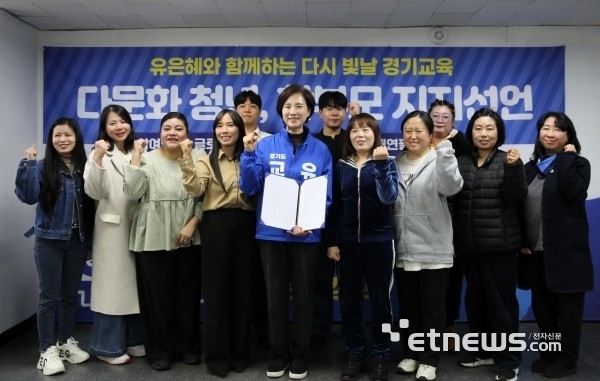
Yu Eun-hye, a candidate for Gyeonggi Provincial Superintendent of Education, met with multicultural youth and parents on April 9 and pledged to build a more inclusive multicultural education system.
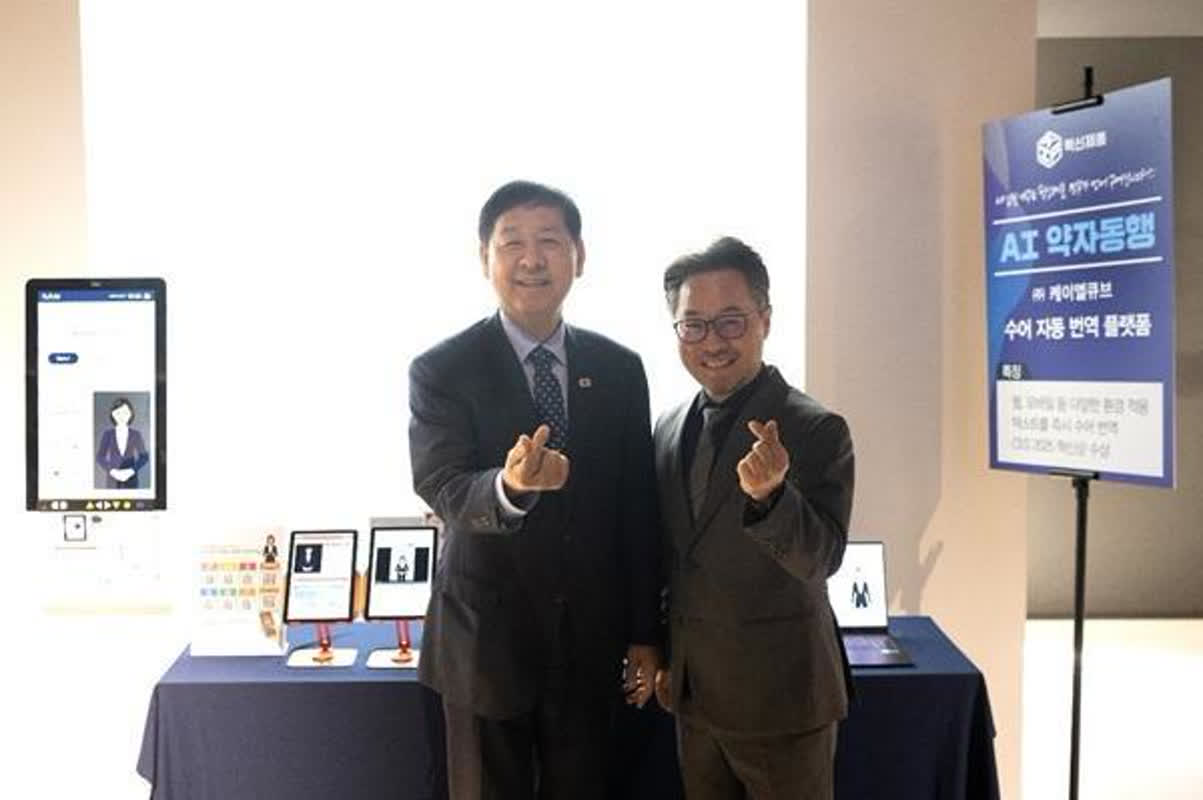
“Education without discrimination is a core competitive advantage for the society of the future,” Yu said, pledging to deploy AI-based multilingual information services, provide intensive Korean-language support for newly arrived students, and expand bilingual education.
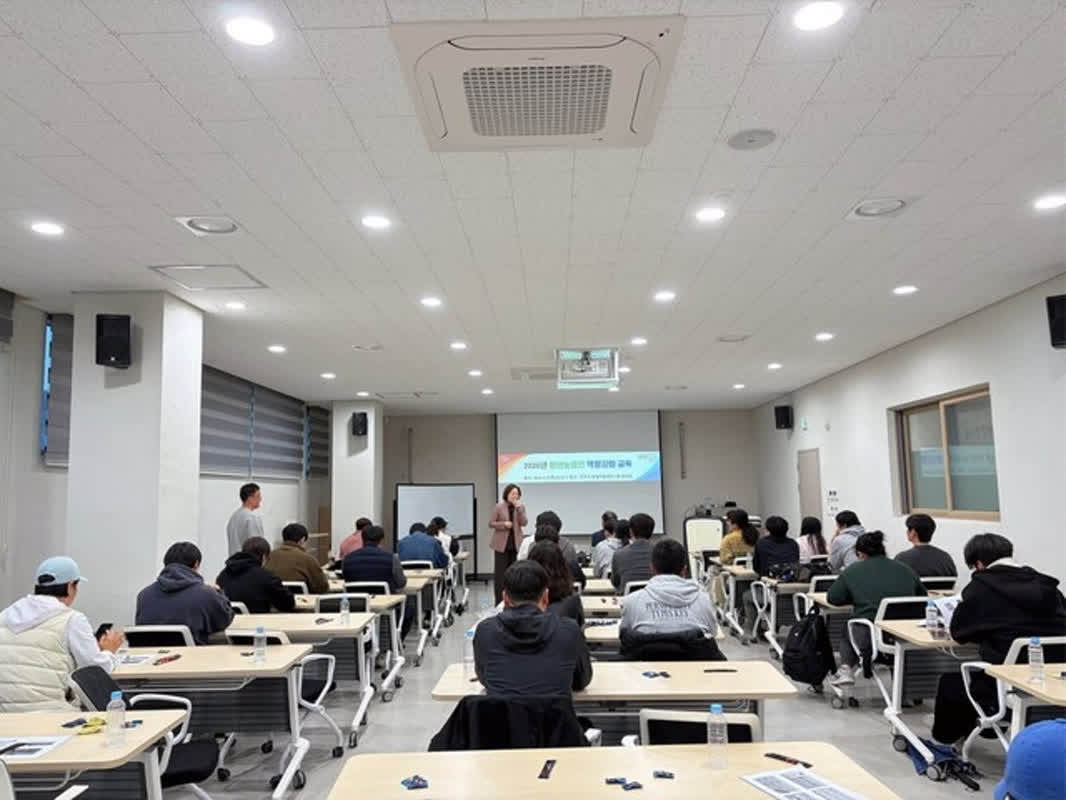
That morning, Yu attended a declaration of support by multicultural youth and parents at her campaign office and listened to their concerns. The event brought together multicultural youths and parents representing 113 members from four local organizations: Global Youth Network, Ieum, Rainbow Pencil, and Yegrina.
In their declaration, participants said that schools’ awareness and systems remain rooted in the past. They pointed to hidden discrimination and bias, and to learning inequalities driven by economic disparities. They also highlighted limited access to information due to language barriers, difficulties for newly arrived students adapting to school, discrimination within schools, and the financial burden of private tutoring.
They called for creating discrimination-free school cultures; institutionalizing bilingual education; expanding financial support for schooling; shifting toward education that fosters broad understanding; building multilingual support systems; and extending services for children with learning or developmental delays.
In response, Yu pledged to establish an AI-based multilingual education information platform, strengthen multicultural training for teachers, and create formal cooperation mechanisms between the education office and local governments.
“The greatest hardship for students with migration backgrounds is isolation,” she said. “I will link online information services with offline support systems to reduce information gaps.” She added that she will move education away from rote memorization toward instruction that builds students’ abilities to think critically, make judgments, ask questions, and engage in debate, and that public education should take responsibility for supporting students’ needs.
Suwon — Reporter Kim Dong-sung