“This supplemental budget should be packed with bold measures that protect our future”
“It’s a fraud on the public for the People Power Party — the ‘economically incompetent party’ — to lecture about the economy”
“It’s a fraud on the public for the People Power Party — the ‘economically incompetent party’ — to lecture about the economy”
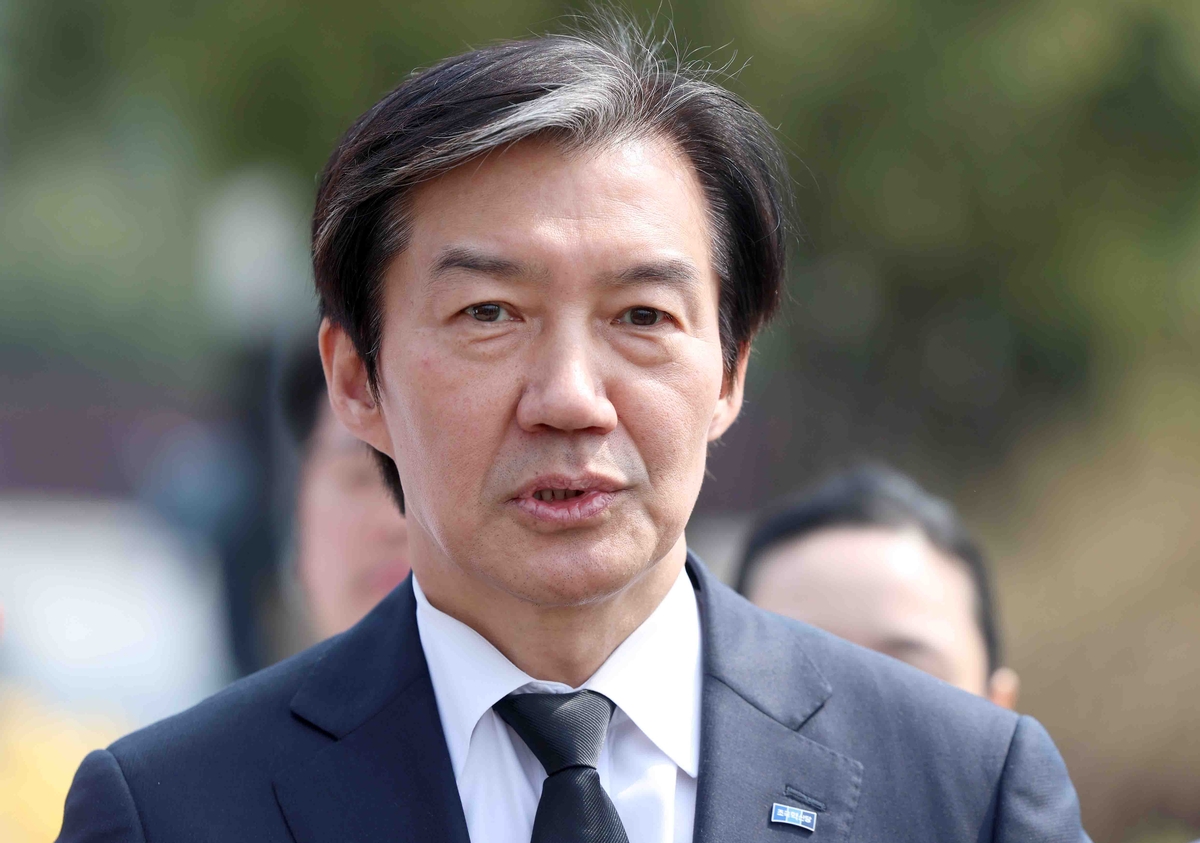
Cho Kuk, leader of the Cho Kuk Innovation Party, proposed adding a temporary program to make commuting on public transit free to the supplemental wartime budget.
On the morning of the 29th, Cho wrote on Facebook that government measures currently favor private car owners and that the country must shift away from that structure. He said direct support for the many citizens who use public transit should be expanded substantially.
He added that he hopes the supplemental budget will do more than address the immediate crisis; it should include bold measures that also protect the future. “The Cho Kuk Innovation Party will present concrete proposals during parliamentary debate,” he wrote.
Cho said current public-transit policy tends to concentrate on encouraging car owners to switch to electric or hydrogen vehicles. Over the long term, he argued, Korea should employ ambitious public-transit policies to reduce total mileage driven by internal combustion vehicles, while advancing an energy transition and building a climate-friendly economy.
He also accused Jang Dong-hyuk, leader of the People Power Party, of blocking relief by warning that flooding the market with funds would sharply raise prices and the exchange rate. He criticized the party, together with President Yoon Suk Yeol, saying their tax cuts and austerity measures hollowed out the foundations of the everyday economy and leave them no credibility on this issue. “The ‘Yoon Again’ party — which, he said, pushed the Korean economy to the brink with the 12.3 insurrection — has no standing to lecture on economic policy,” he added.
Cho pointed to Germany’s €9 (about 9.63 USD) ticket, introduced during the 2022 Russia–Ukraine war, as an example. The three-month trial, he said, increased public-transit ridership by 25%, lowered the inflation rate by about 0.7 percentage points, cut car traffic by 10%, and reduced carbon emissions by roughly 1.8 million metric tons.
He noted that Korea already has world-class transit infrastructure — including the national Everyone Card and an advanced transfer system — and urged lawmakers not to limit the supplemental budget to short-term Middle East war relief. Instead, he said, it should include medium- and long-term plans to implement a Korean-style €9 (about 9.63 USD) ticket.
Meanwhile, the government plans to submit a supplemental budget proposal of 25 trillion KRW (18.75 billion USD) to the National Assembly on the 31st, and the Democratic Party of Korea intends to consider it at a plenary session on the 9th of next month.