 [Herald Economy = Shin Hyewon] As the People Power Party intensified its opposition to the government’s proposal to reform the special tax deduction for long-term property ownership (장특공제), the Democratic Party pushed back on April 19, calling the opposition’s campaign “a baseless effort to protect the vested interests of high-end property owners.”
Park Hae-cheol, a Democratic Party spokesperson, said in a statement that the People Power Party is stoking fear by claiming the reform will drive ordinary one-home owners to the brink and label everyone a speculator. “That’s sheer sophistry and deception,” he said.
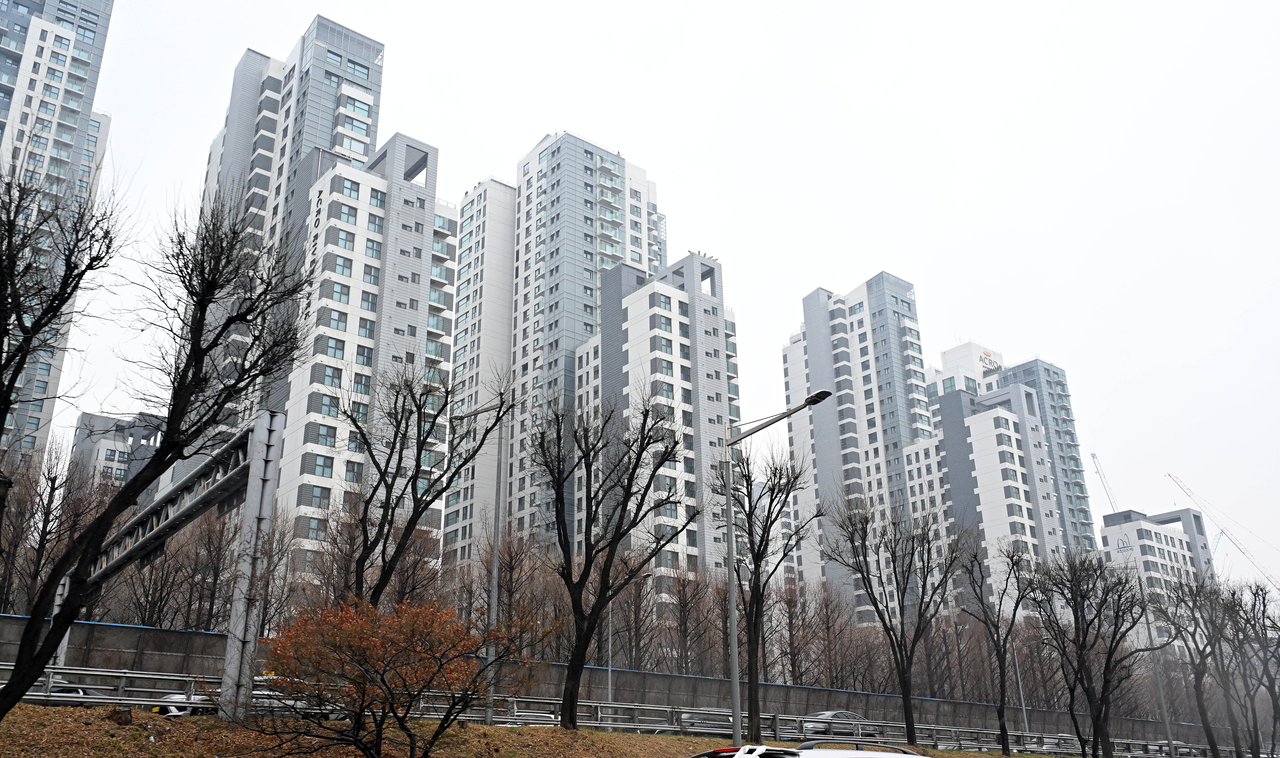
Park explained that the government’s proposal seeks to correct a tax imbalance in which owners of ultra-high-end homes—many of whom do not actually reside in those properties—have paid far less tax than wage earners who earn their income through labor.
He added that overhauling excessive deductions awarded solely on the basis of holding period, regardless of whether the owner actually lives in the property, would help break the “listings freeze” that keeps homes off the market. “Reforming this distorted system is the government’s responsibility to restore housing opportunities for those without homes and to stabilize prices,” he said.
Park also criticized the opposition for likening legitimate tax policy to “organized crime” and for dismissing the president’s comments on unearned income as mere political blame-shifting. “Those crude attacks only diminish the main opposition’s standing,” he said. “We will protect genuine homebuyers while enforcing strict tax fairness on unearned income to build a fair, commonsense real estate market that all citizens can accept.”
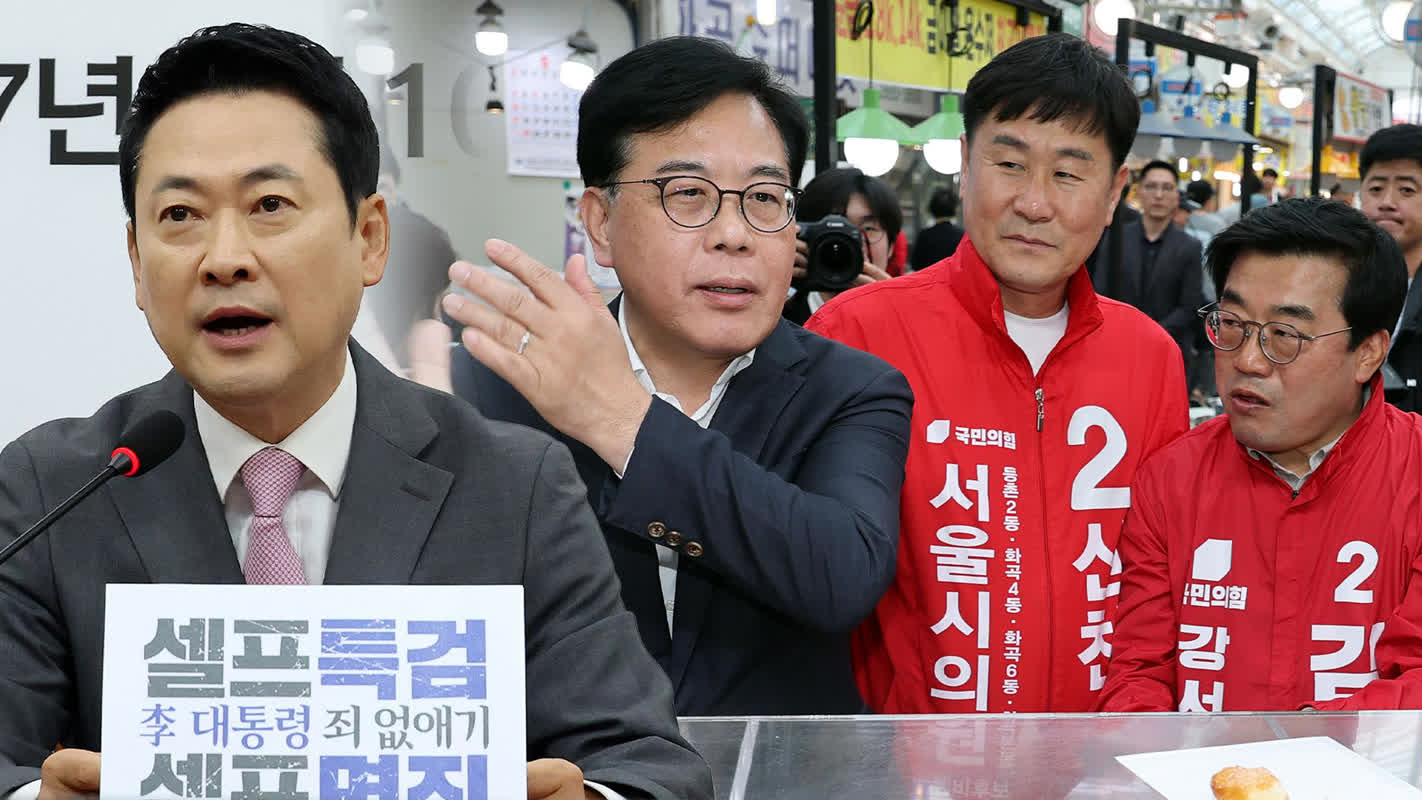
Earlier, Song Eon-seok, the People Power Party’s floor leader, told reporters at the National Assembly that the president’s call to abolish the deduction—framing it simply as a special privilege—reflects a misunderstanding of the policy’s purpose and ignorance of basic tax principles.