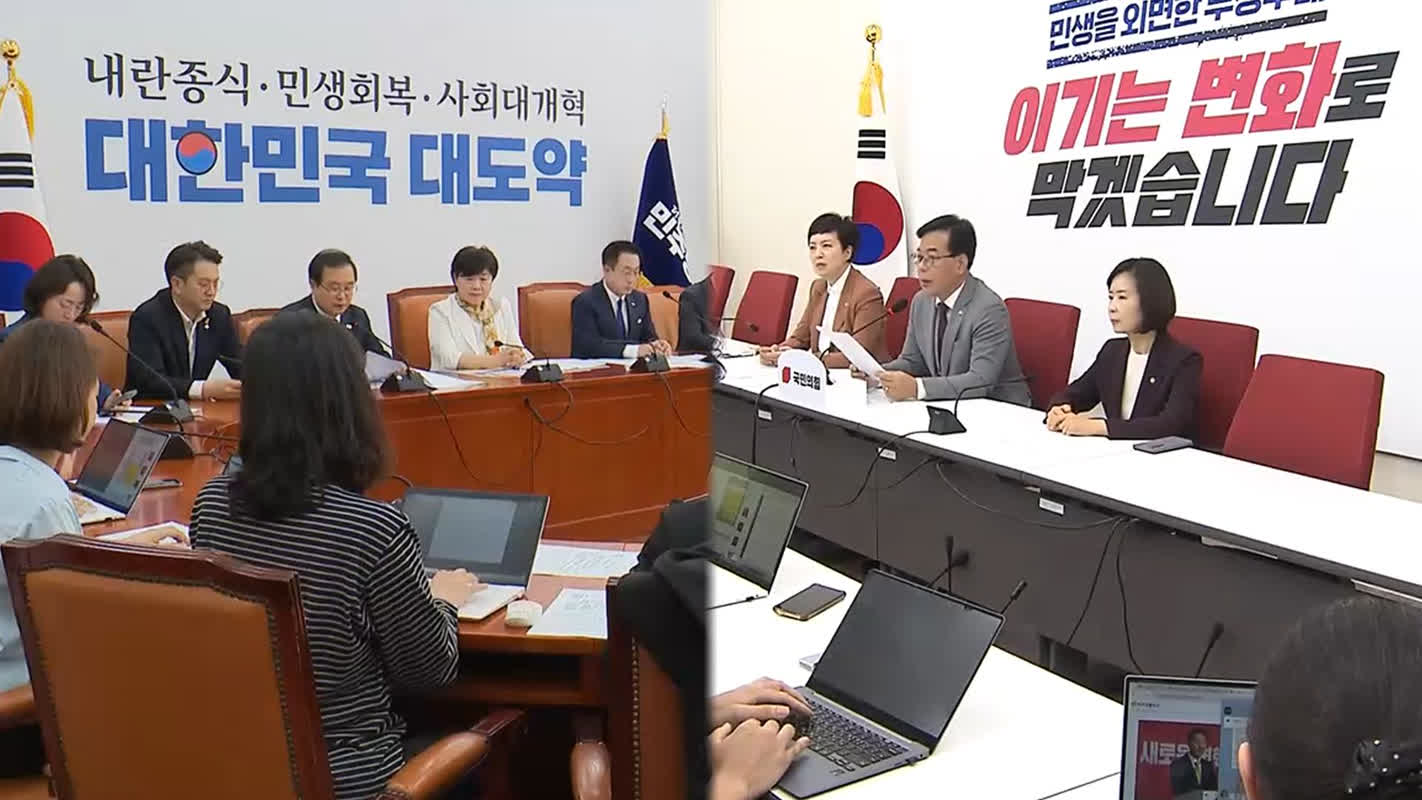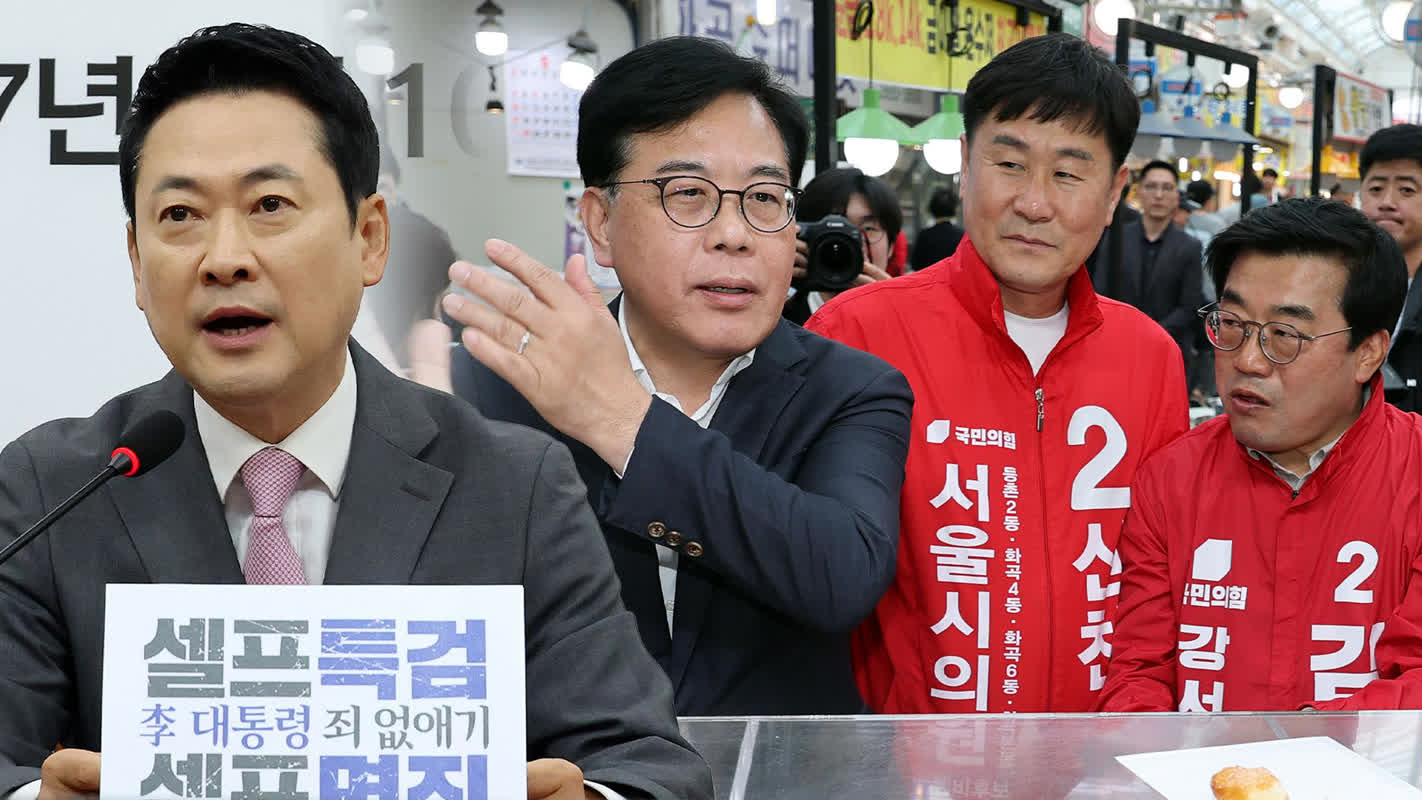
The People Power Party sharply criticized President Lee Jae-myung for a remark at a Cabinet meeting that it said evoked profanity, recalling his past \"sister-in-law\" cursing controversy.
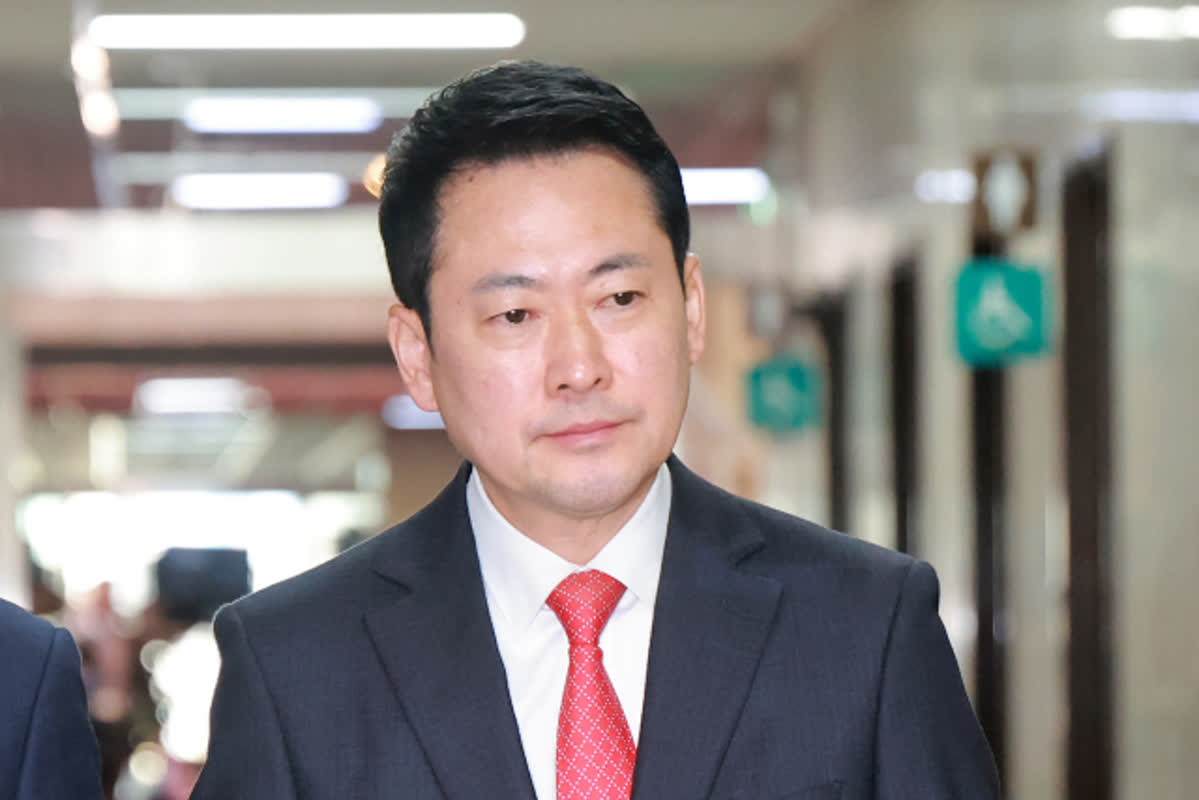
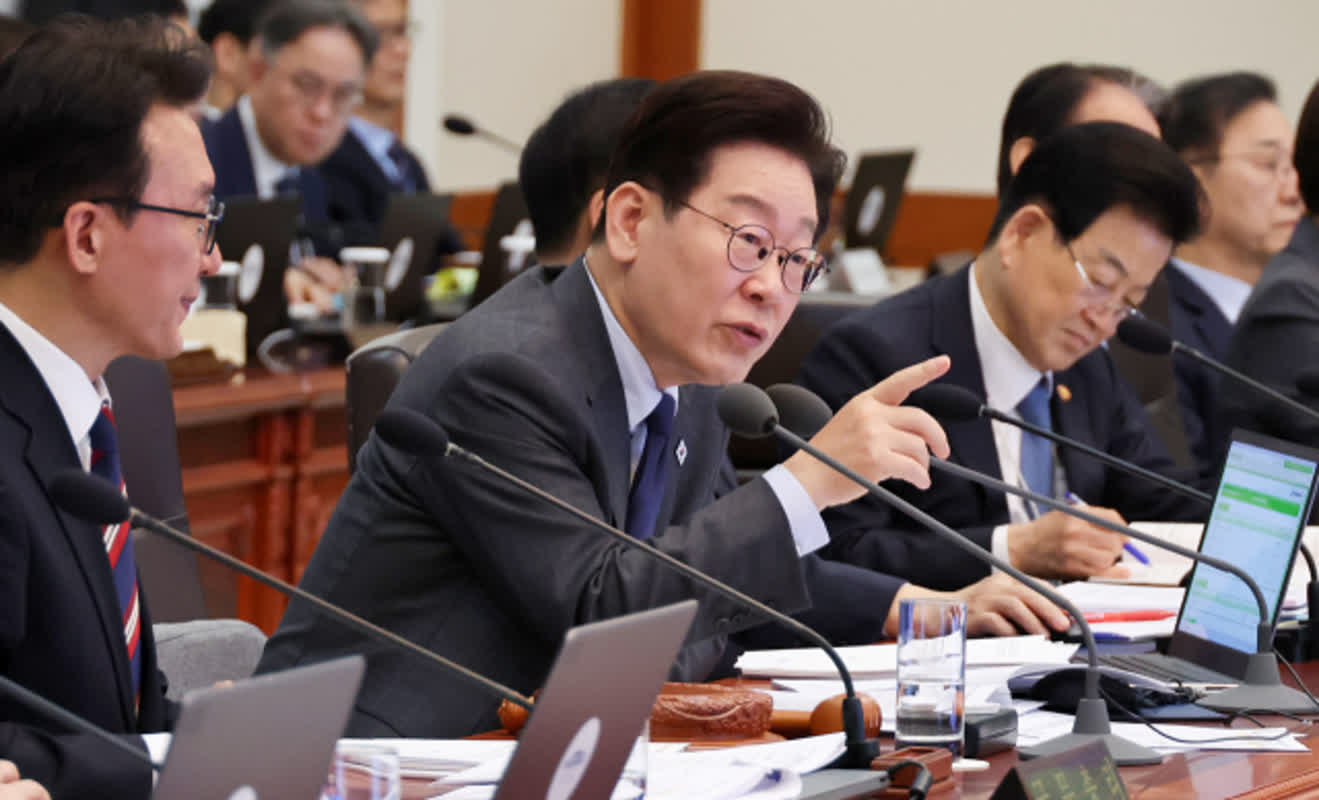
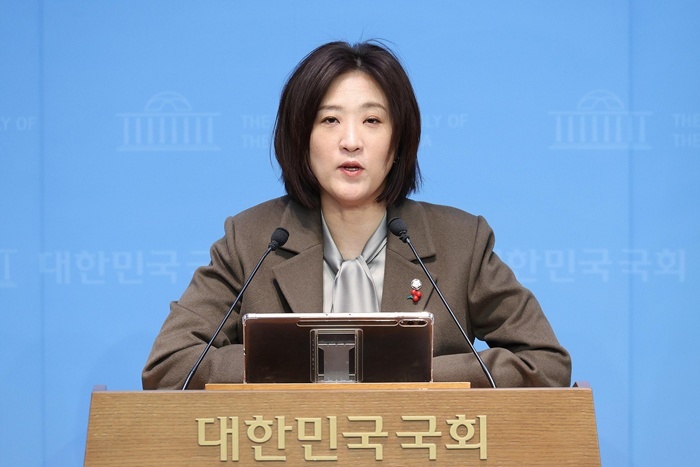
On the 7th, Choi Bo-yun, the party's chief spokesperson, said in a statement that while discussing cleanup of illegal structures in valleys at the Cabinet meeting, President Lee blurted out the outrageous line 'If we do it halfway, they'll curse us behind our backs'. He said the public is appalled that the president casually used language that suggests profanity on an official stage watched by the entire nation.
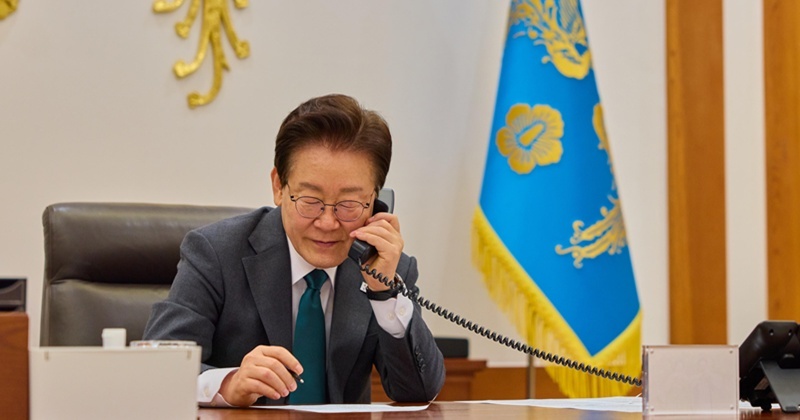
Choi condemned the president's remark as \"vulgar verbal violence\" and asked whether this reflects the character of a leader chosen by the people to represent the nation's dignity. He said citizens feel humiliated that the president's coarse language habits and attitude have not changed even after assuming the heavy responsibilities of the office.
The party also warned that the president's instruction to investigate for dereliction of duty, if necessary, in connection with the illegal-structure cleanups signals the beginning of a rule-by-fear approach. Choi argued that by invoking \"investigations\" himself and brandishing a metaphorical blade, the president is running the administration through intimidation rather than by law and procedure, which could push civil servants into overzealous enforcement and ultimately make ordinary people victims of administrative abuse.
He added that cleanup should begin by clarifying legal standards and designing careful measures for those whose livelihoods would be affected. Instead of persuasion and dialogue, he said, the president is driving policy with coarse language and the cudgel of investigative power.
Choi warned that the president's language itself reflects the nation's dignity: the rougher the president's rhetoric, the more the country's standing falls and national unity is set back. He urged the president to apologize publicly and to pledge concrete steps to prevent a recurrence of such verbal assaults.
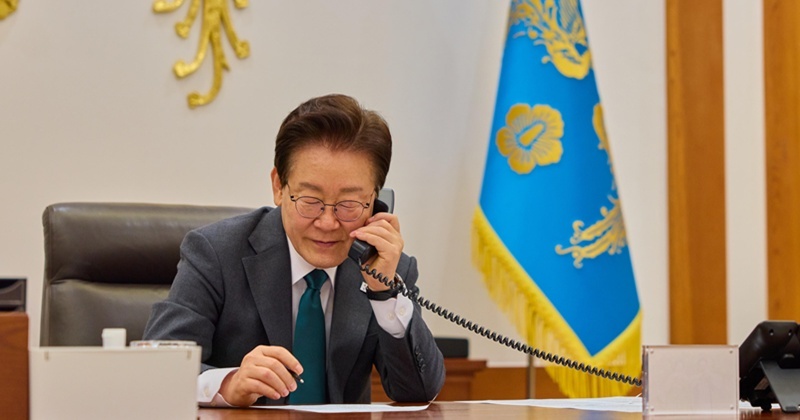
The remark in question came at a Blue House Cabinet meeting on the 6th, where Lee pressed ministries to crack down on and remove illegal structures in rivers and valleys. He said he would not hesitate to pursue criminal charges against officials who neglected oversight and ordered strict law enforcement on the ground.
At the meeting, the president received a re-investigation report from Interior Minister Yoon Ho-joong on the status of clearing illegal valley structures. When Yoon reported that officials had identified more than 33,000 illegal structures so far, Lee criticized that mere reporting was not enough.
He ordered that what matters now is serious, on-the-ground inspections and instructed that, if necessary, officials who neglected enforcement should be investigated for dereliction of duty. This directive reflected his judgment that lax discipline in the public service had allowed illegal activity to persist.
Lee stressed that strict law enforcement is central to confidence in government, saying the issue directly affects the trust and authority of state affairs. He warned that if people come away thinking this will be brushed aside again, they will curse behind your back — not out of gratitude but out of scorn.
The president's tough stance followed his decision to order a full re-investigation after deeming the Interior Ministry's initial survey of 835 cases insufficient. The re-investigation found roughly 33,000 illegal structures, exposing the shortcomings of the first survey.

Lee called illegal valley structures a barometer by which citizens judge the government's willingness to enforce the law. Even if officials claim they have cracked down, people will check the places they visit themselves, he said. He also criticized the use of public land as private profit-making ventures, saying such abuses cannot be tolerated even if each case seems small.
He ordered significantly tougher punishment for officials who tolerate or collude with illegal operators, citing cases in which officials were reported for leaving illegal structures unchecked. Simple disciplinary measures, he said, are ineffective because the illegal gains are greater than the penalties; criminal prosecution is needed to remove offenders from public office. He called the behavior blatant embezzlement.
Finally, he gave a strict deadline: finish all cleanup before this summer and enforce measures thoroughly until not a single structure remains, while urging the interior minister to oversee operations on site.