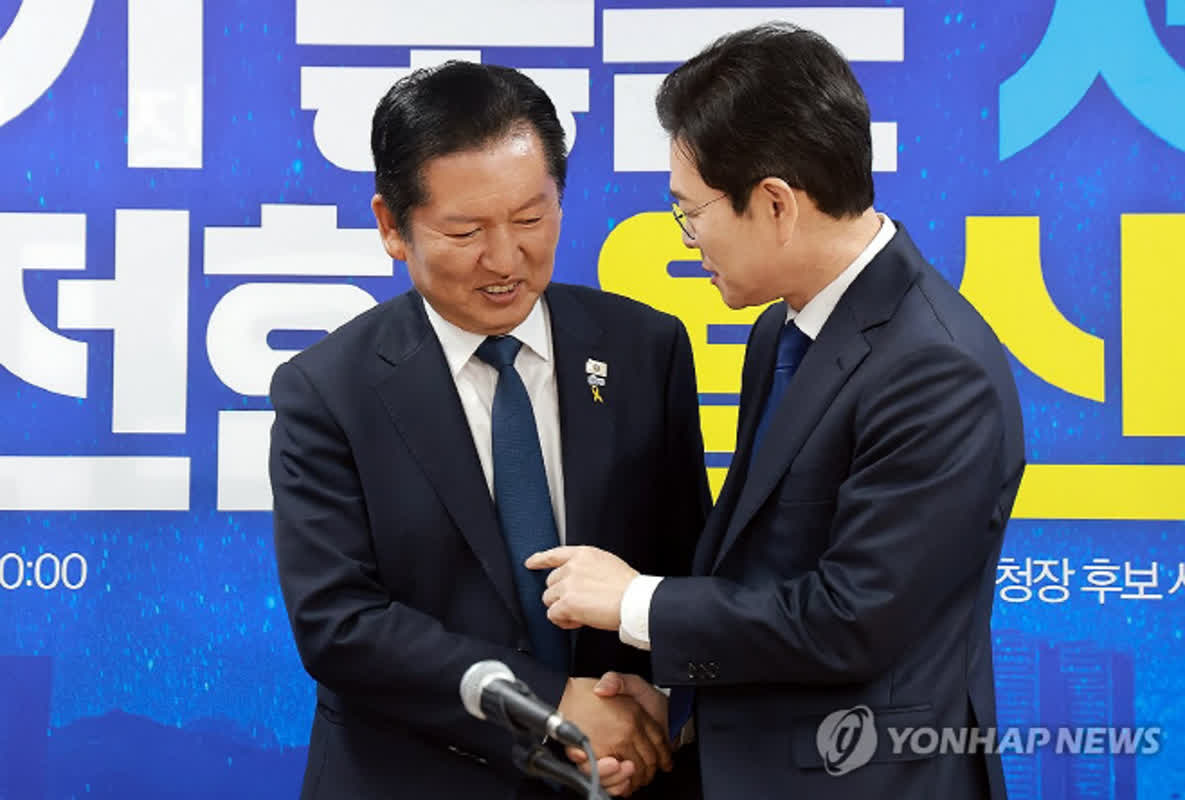
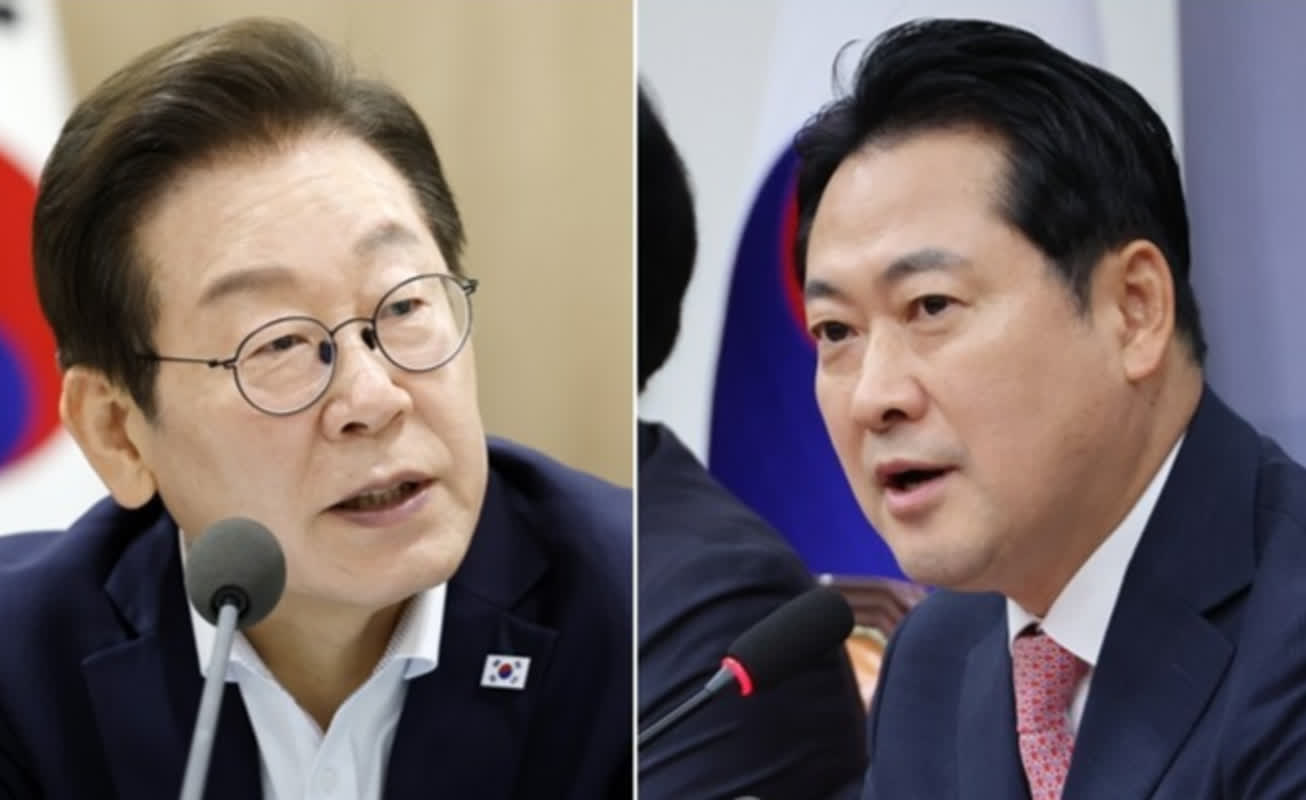
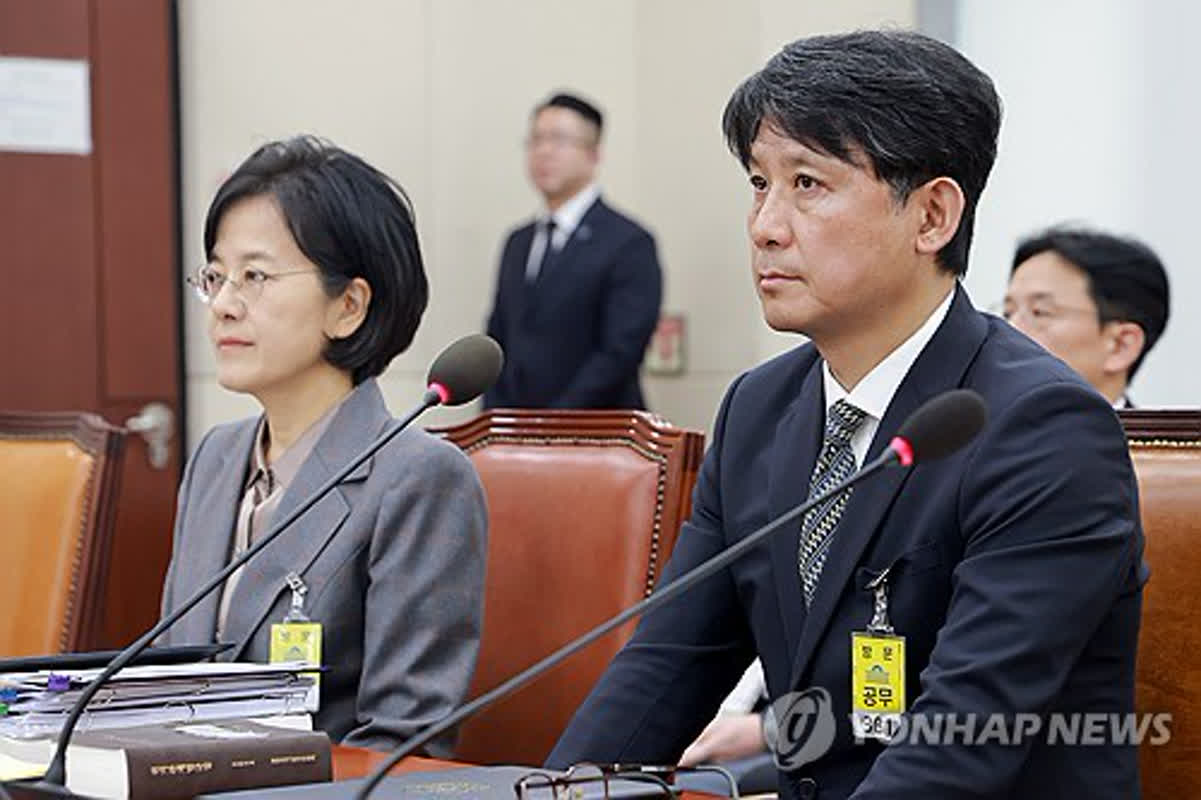
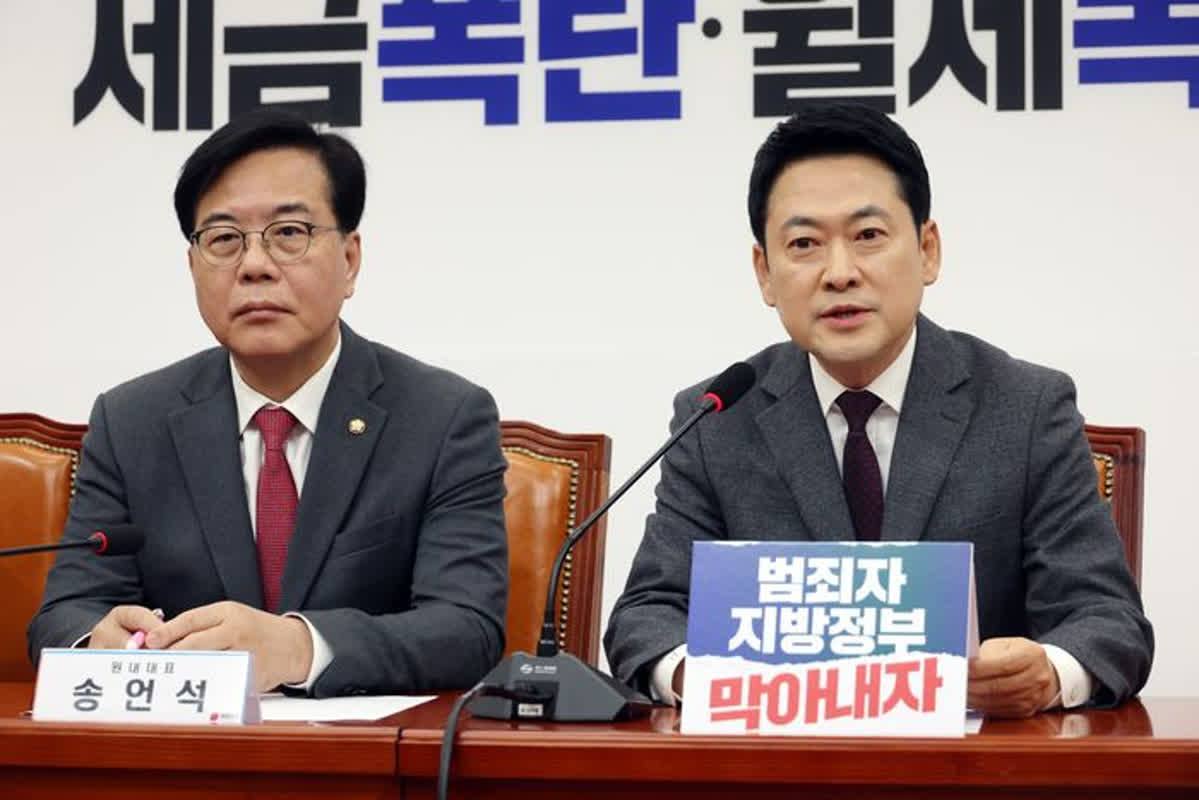
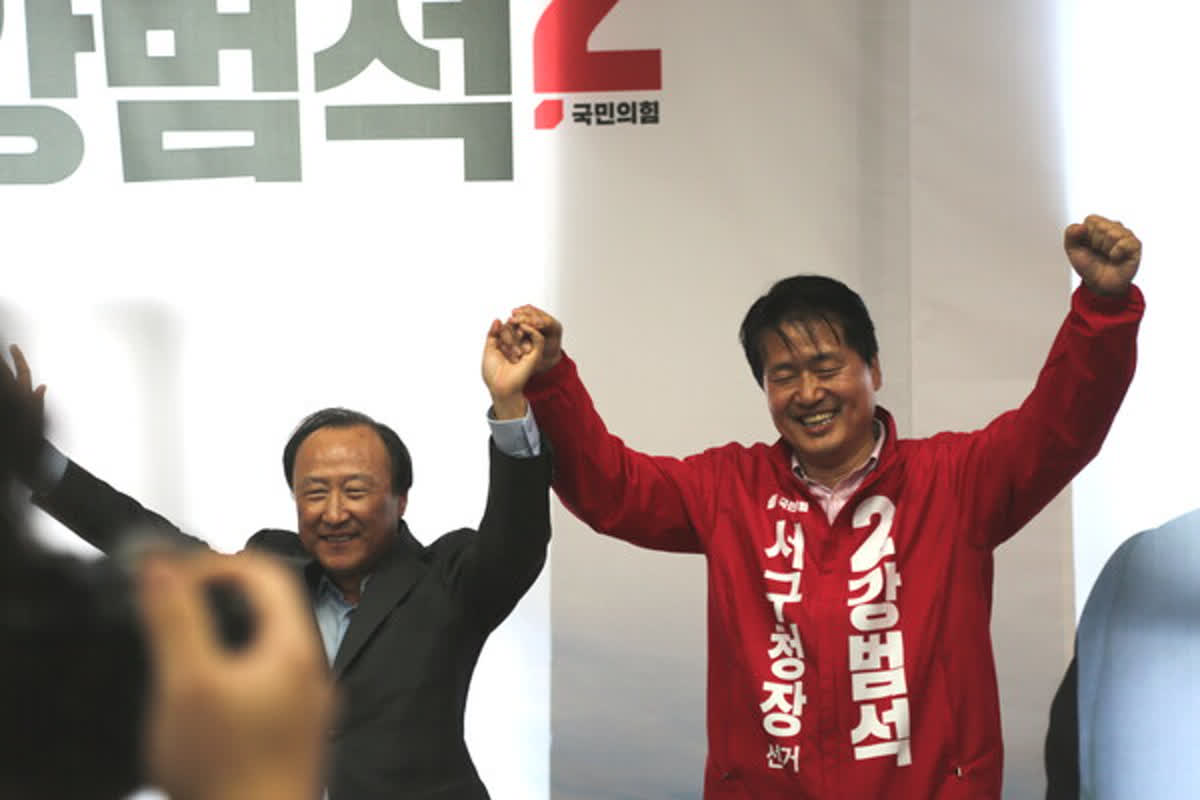
[Green Economy News = Reporter Na Ah-young] A government joint special audit team has referred 14 cases to prosecutors — including allegations that Kang Ho-dong, chairman of the Nonghyup Central Association, misused public funds — but lawmakers say prosecutions alone are not enough and are pressing for structural reform. They argued that recurring patterns of misconduct reflect decades of institutional failures, not isolated individual wrongdoing, despite 15 amendments to the Nonghyup Act.
According to finance-sector sources on March 10, the joint special audit team on March 9 referred 14 matters with potential legal violations — including public fund misuse, preferential lending and accounting fraud — to prosecutors and recommended corrective action on 96 additional cases. The audit followed President Lee Jae-myung’s December directive to the Ministry of Agriculture, Food and Rural Affairs to conduct a thorough review after raising concerns about systemic problems at Nonghyup.
After earlier audits in November–December uncovered 65 cases, a joint special audit team was launched on January 26. The team included the Office for Government Policy Coordination, the agriculture ministry, the Financial Services Commission, the Financial Supervisory Service, the Board of Audit and Inspection and external experts.
Six allegations tied to Chairman Kang were among the referrals. The most serious charges include diverting foundation project funds to procure election thank-you gifts (KRW 490,000,000 — about $328,300) and accepting a golden key valued at KRW 5,800,000 (about $3,886).
The audit documented not only alleged personal misconduct by the chairman but also an abnormal control pathway from the central association into its financial affiliates. Auditors found senior leaders, including the association’s executive director, engaging in personnel consultations with Nonghyup Bank staff despite lacking formal appointment authority, and the association’s HR and general affairs office relaying those outcomes to the bank.
The audit team judged this arrangement could function as a de facto channel for personnel requests. In 2022, the Nonghyup Foundation and the central association’s mutual finance arm allocated a combined KRW 67.5 billion (KRW 35 billion in equity investments (about $23,450,000); KRW 10.5 billion in credit-line loans (about $7,035,000); KRW 22 billion in commercial paper purchases (about $14,740,000)) to capital firms run by former executives. The audit said recoverability of those funds remains uncertain (total ≈ $45,225,000).
Auditors concluded that concentrating influence in the honorary, nonexecutive four-year central chair — a post that oversees roughly 1,000 local cooperatives and can recommend the executive director and heads of business units — undermined external oversight of personnel and financial flows.
The review also exposed weaknesses in internal controls. Of 195 nonexecutive board members across the central association and 17 affiliates under Nonghyup Economic Holdings, 159 (81.5%) are former cooperative heads, while only 10 (5.1%) are outside experts.
Three of the five audit committee members, including the chair, are current or former cooperative heads; two currently hold cooperative head posts concurrently. About 60% of allocated budgets were spent without predefined expenditure items. The audit confirmed that one member cooperative falsified its books — reporting a KRW 345 million net loss as a KRW 510 million net profit — then paid KRW 440 million in dividends, effectively paralyzing internal oversight (KRW 345 million ≈ $231,150; KRW 510 million ≈ $341,700; KRW 440 million ≈ $294,800).
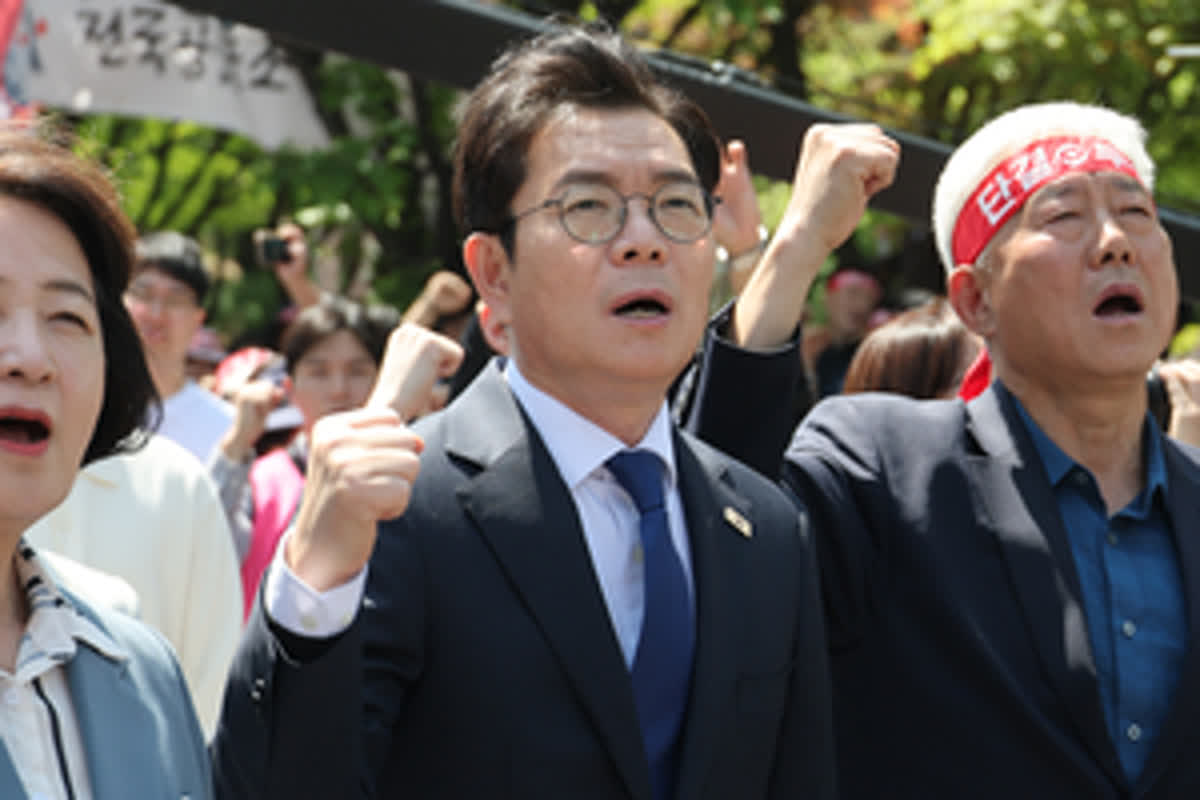
Jeon Jong-deok of the Progressive Party, a member of the National Assembly’s Agriculture, Food, Rural Affairs and Oceans and Fisheries Committee, has repeatedly raised governance concerns about Nonghyup in oversight hearings. In February he co-hosted a parliamentary press conference with farmers and labor groups calling for Chairman Kang’s resignation.
A spokesperson for Jeon’s office told this paper on March 10 that the 14 referrals must not be the end of reform. They called for substantive changes, including a direct election for the central association chair, creation of an independent auditing body, and relaxed information-disclosure thresholds. Currently, members must secure consent from at least 3% of cooperatives to request information, and there is no statutory deadline for reporting results, the spokesperson said — a setup that institutionalizes opacity.
The spokesperson added that although the Nonghyup Act has been amended 15 times, the pattern of misconduct has persisted, reflecting structural blockages rather than individual lapses. He urged that reforms be implemented in tandem with next year’s nationwide cooperative head elections, arguing that concentrating authority in a nonexecutive central chair has prevented audit and control bodies from performing effectively.
Meanwhile, the government said it will quickly present election- and governance-reform proposals, linking the audit findings to discussions by the Nonghyup Reform Task Force. Under the Nonghyup Act, the agriculture minister may order executive changes or issue warnings if legal violations are confirmed, meaning Chairman Kang’s tenure could be decided by the outcome of investigations. Key questions in the reform debate include whether to bring Nonghyup Economic Holdings and its subsidiaries under financial regulators’ supervision, decentralize the central chair’s powers and strengthen board independence.