Politicians attended the Korean Confederation of Trade Unions (KCTU) 80th-anniversary ceremony on March 10, praising the enactment of the amended Articles 2 and 3 of the Trade Union Act (the \"Yellow Envelope Law\") and calling for labor reform that engages workers.
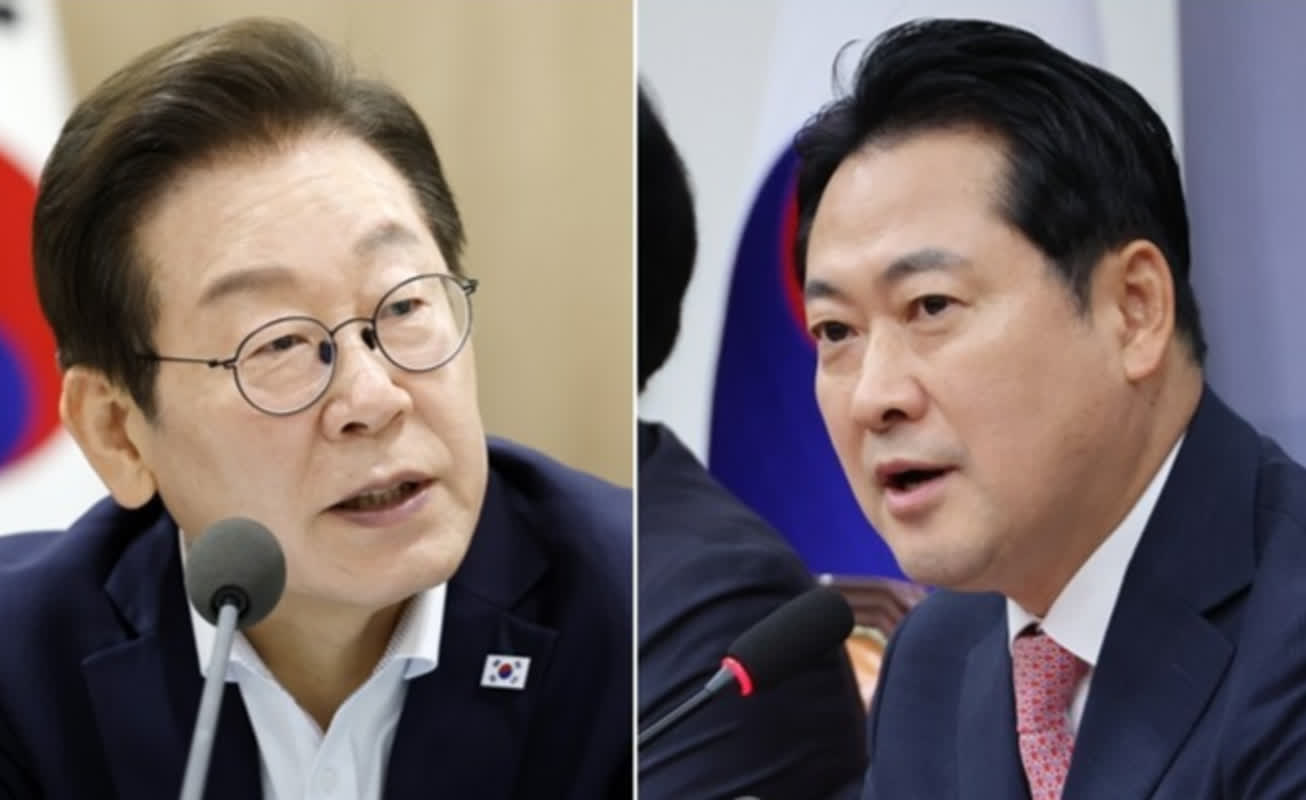
In a video message to the ceremony in Yeouido, Seoul, President Lee Jae‑myung said, \"Today, March 10, is a truly meaningful day: Articles 2 and 3 of the Trade Union Act—the so‑called 'Yellow Envelope Law' that the labor movement has long sought—officially go into effect.\"
He said the law establishes a legal foundation for subcontracted workers to negotiate directly with the actual employers and called it a new starting point for advanced labor‑management relations that prioritize dialogue and compromise over conflict.
He added that as artificial intelligence drives a major transformation, his administration will make social dialogue central to governance to ensure labor is not left behind, and he expressed hope that the KCTU will be a reliable partner on that path.
He pledged to marshal the government's full resources so more workers can join unions and exercise the three fundamental labor rights, and he stressed that the government will continue working to build a Korea where labor is respected and workers are treated fairly.
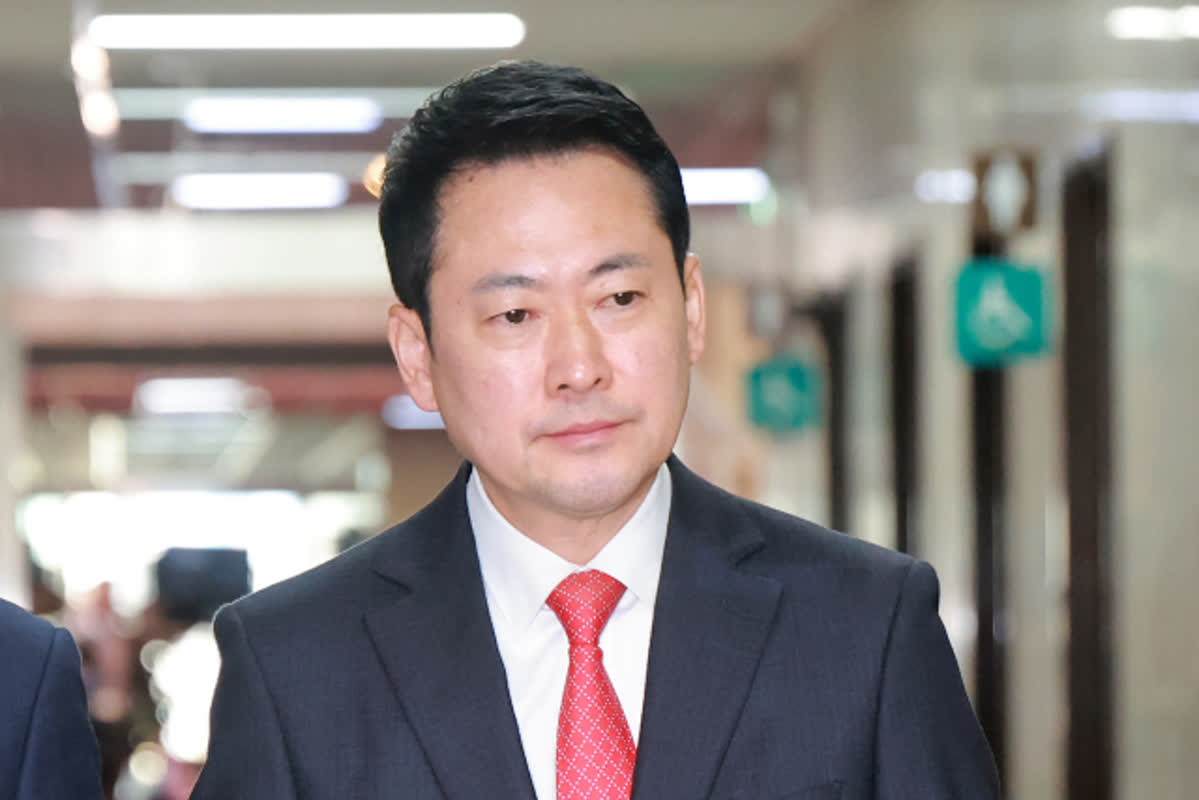
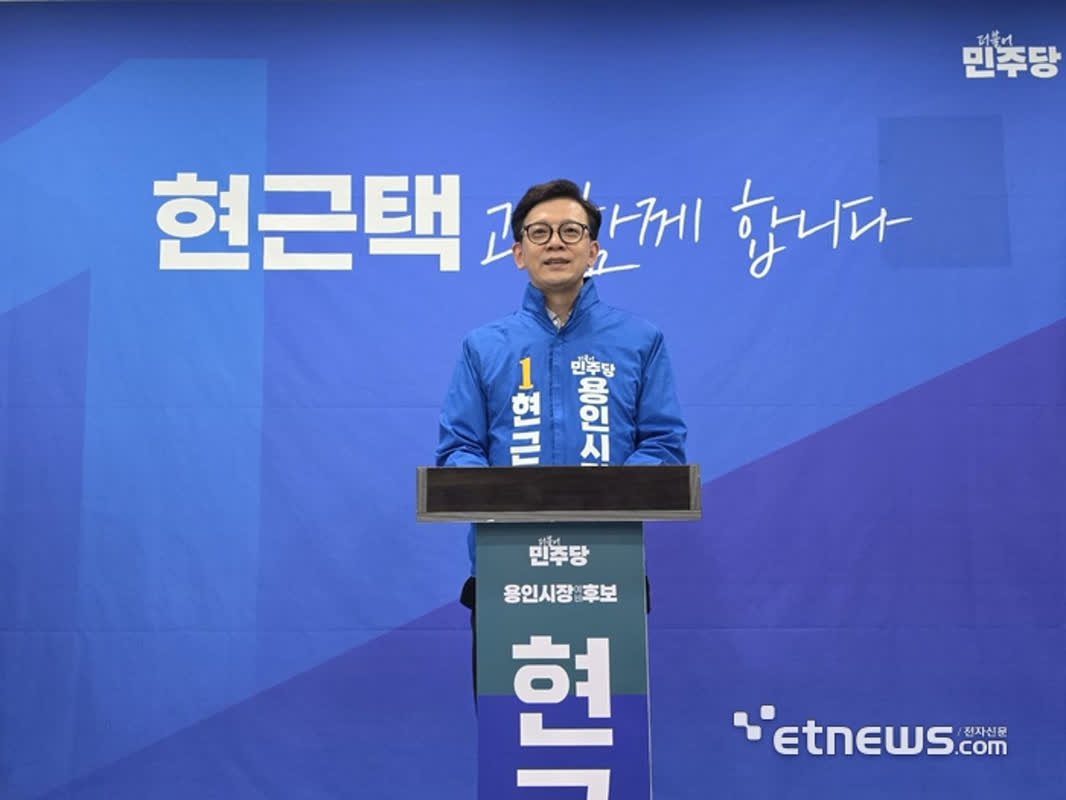
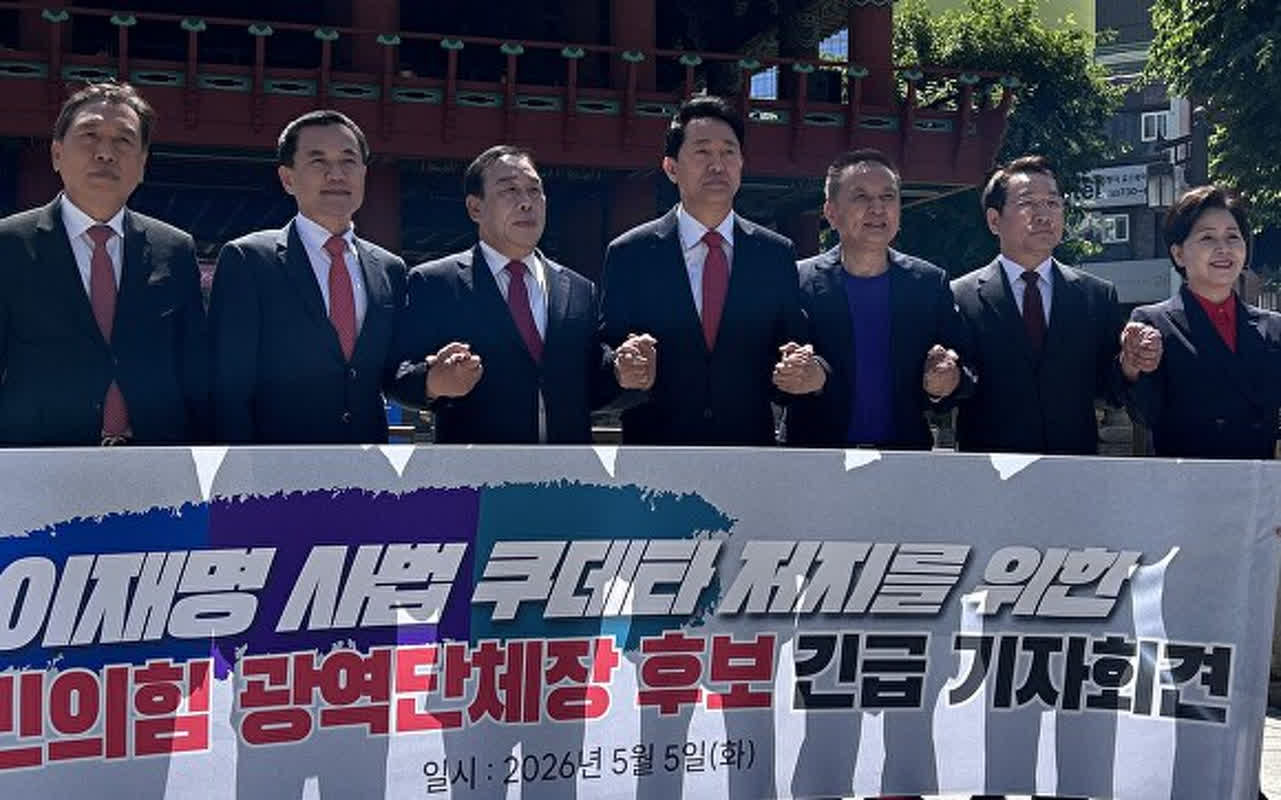
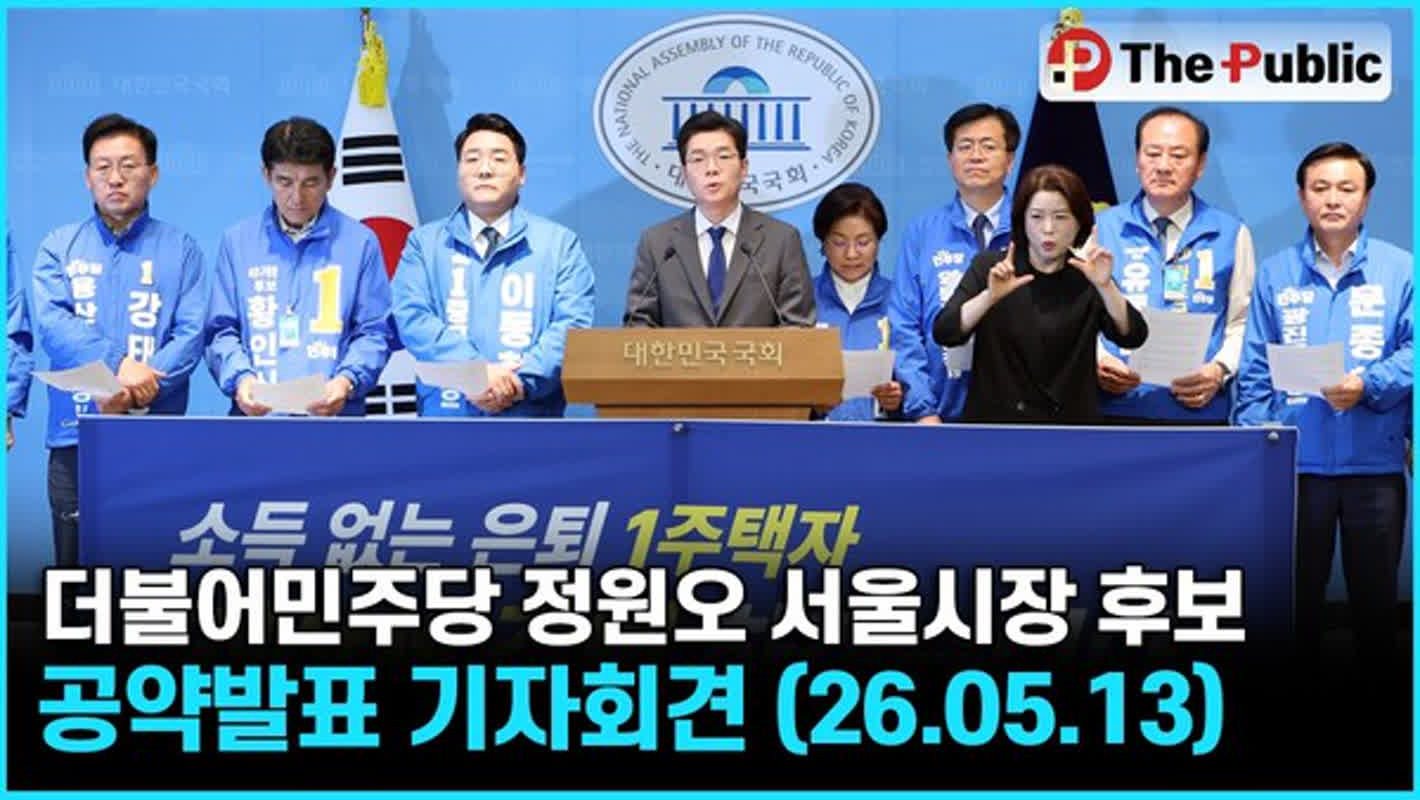
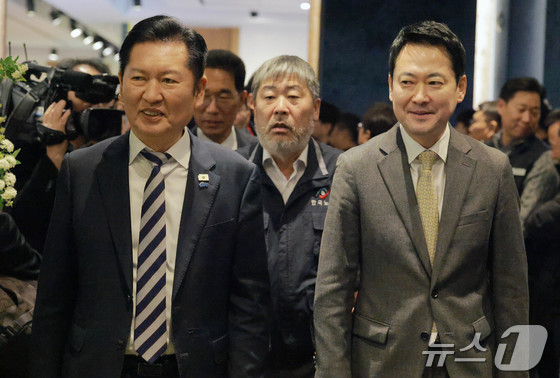
The ceremony drew labor leaders including KCTU Chairman Kim Dong‑myung. Political attendees included National Assembly Speaker Woo Won‑shik; Democratic Party leader Jeong Cheong‑rae; People Power Party leader Jang Dong‑hyuk; Jo Guk, leader of the Jo Guk Innovation Party; Kim Jae‑yeon of the Progressive Party; and Kwon Young‑guk of the Justice Party. Former Seongdong District Mayor Jeong Won‑o, a Democratic Party Seoul mayoral hopeful, and Gyeonggi Province Governor Kim Dong‑yeon also attended.
Speaker Woo said, \"Democracy is not just institutions or political procedures; it is about creating a society where people receive fair pay for their work and are not subjected to injustice. Only by completing a democracy that goes beyond formal structures can it be whole and effective.\"
He added that the National Assembly will work with the KCTU to pursue social reforms that secure the public's future.
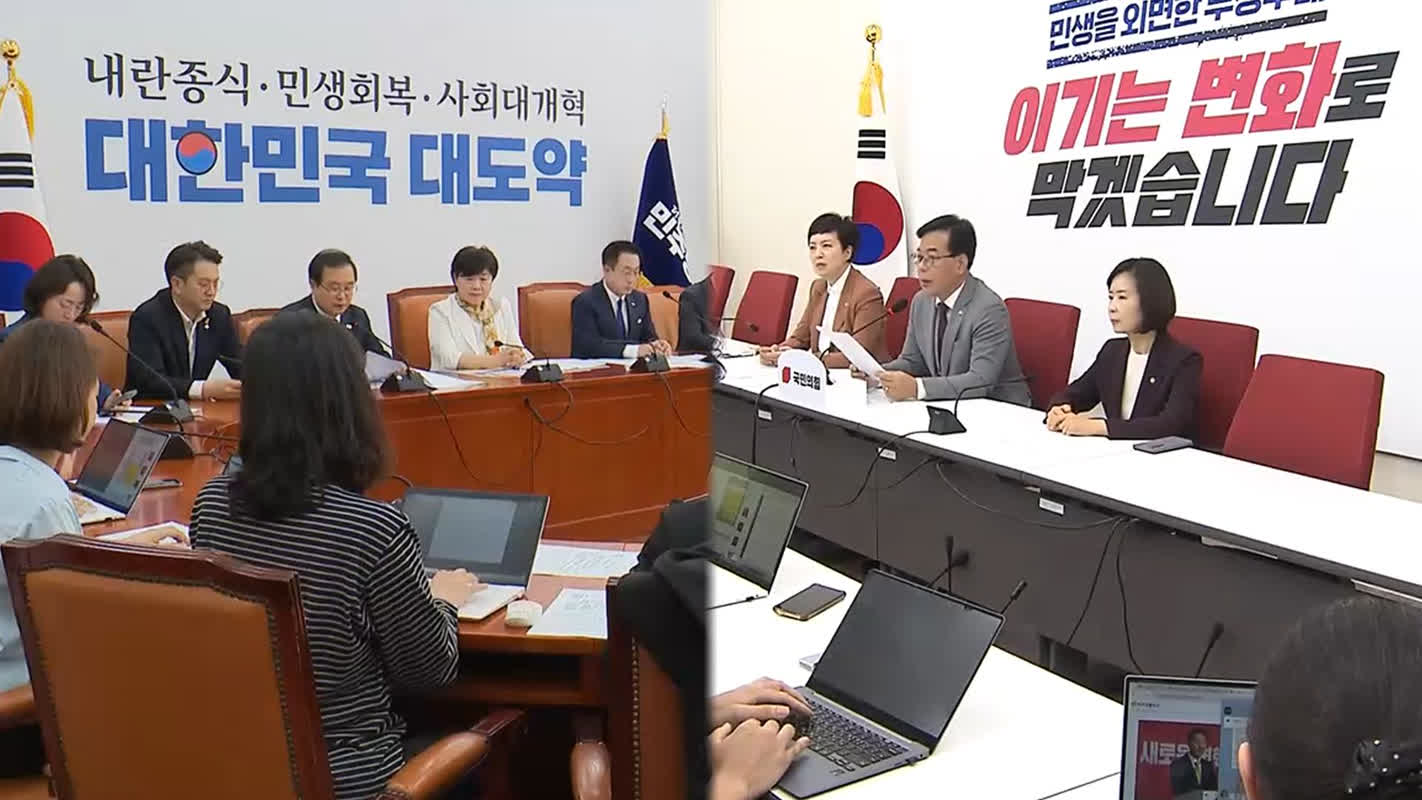
Jeong Cheong‑rae said the implementation of the Yellow Envelope Law reflects the blood and sweat of countless people. He recalled that when authorities labeled people \"workers\" and pressured them to conform, laborers proudly declared their identity and renamed the holiday Labor Day, but noted that the Constitution still uses the term \"worker\" and called for constitutional revision.
He also raised the issues of civil servants' political rights and extending the retirement age, saying that if the People Power Party does not oppose these measures, they can likely be resolved smoothly. He appealed to Jang Dong‑hyuk for cooperation.
Jang Dong‑hyuk said his party pledged changes earlier this year and that making \"a society that respects labor\" its first vision reflects a recognition that the previous Yoon Suk Yeol administration did not sufficiently solicit workers' input during labor‑reform efforts.
He mentioned plans to establish internal labor organizations and recruit new personnel, emphasizing the party's intent to listen more closely to workers and, together with the KCTU, open a new path for labor. He said his party would do its best to advance sound labor reform alongside the KCTU and other worker groups.
Jo Guk, leader of the Jo Guk Innovation Party, said that although South Korea has become an advanced economy, it still lags far behind OECD peers in labor welfare. He argued that the June 3 local elections should press for constitutional changes to strengthen labor rights—measures such as equal pay for equal work, closing the gender pay gap, and protecting platform and other nonregular workers. Jo pledged to work so that labor rights earn full recognition in Korean society and, ultimately, constitutional protection.