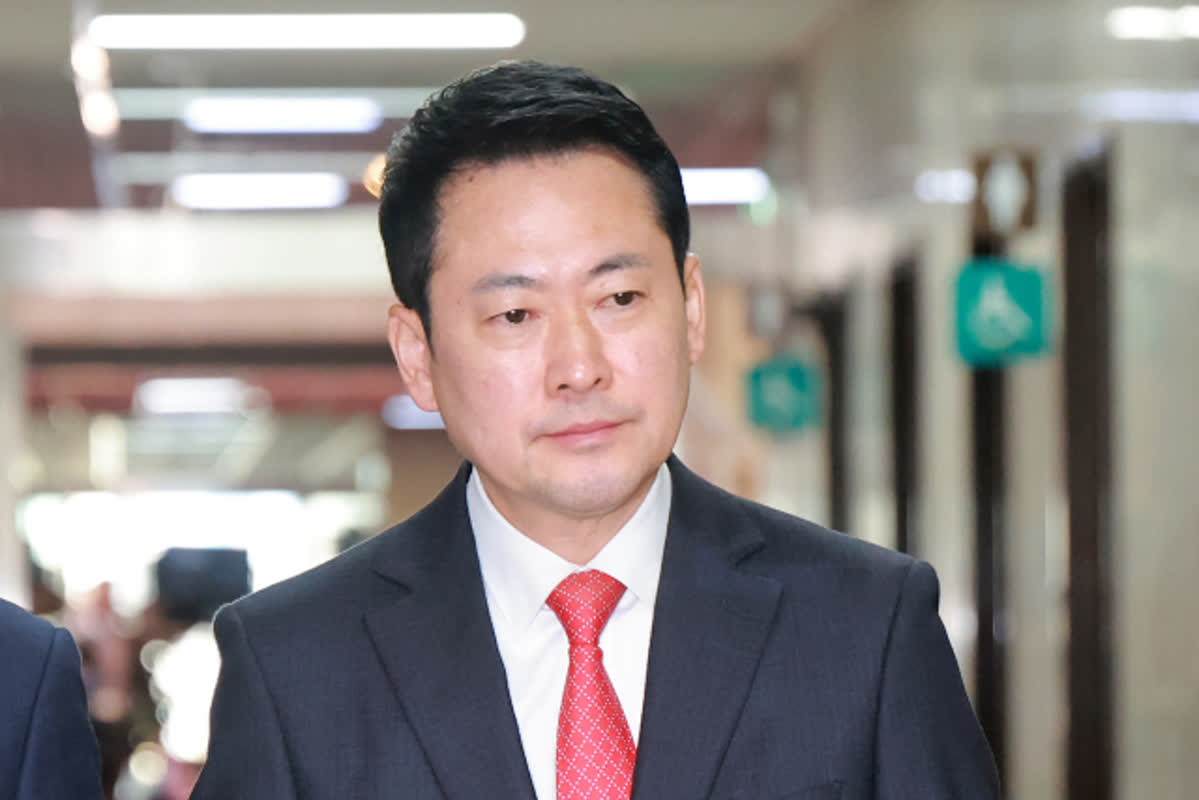
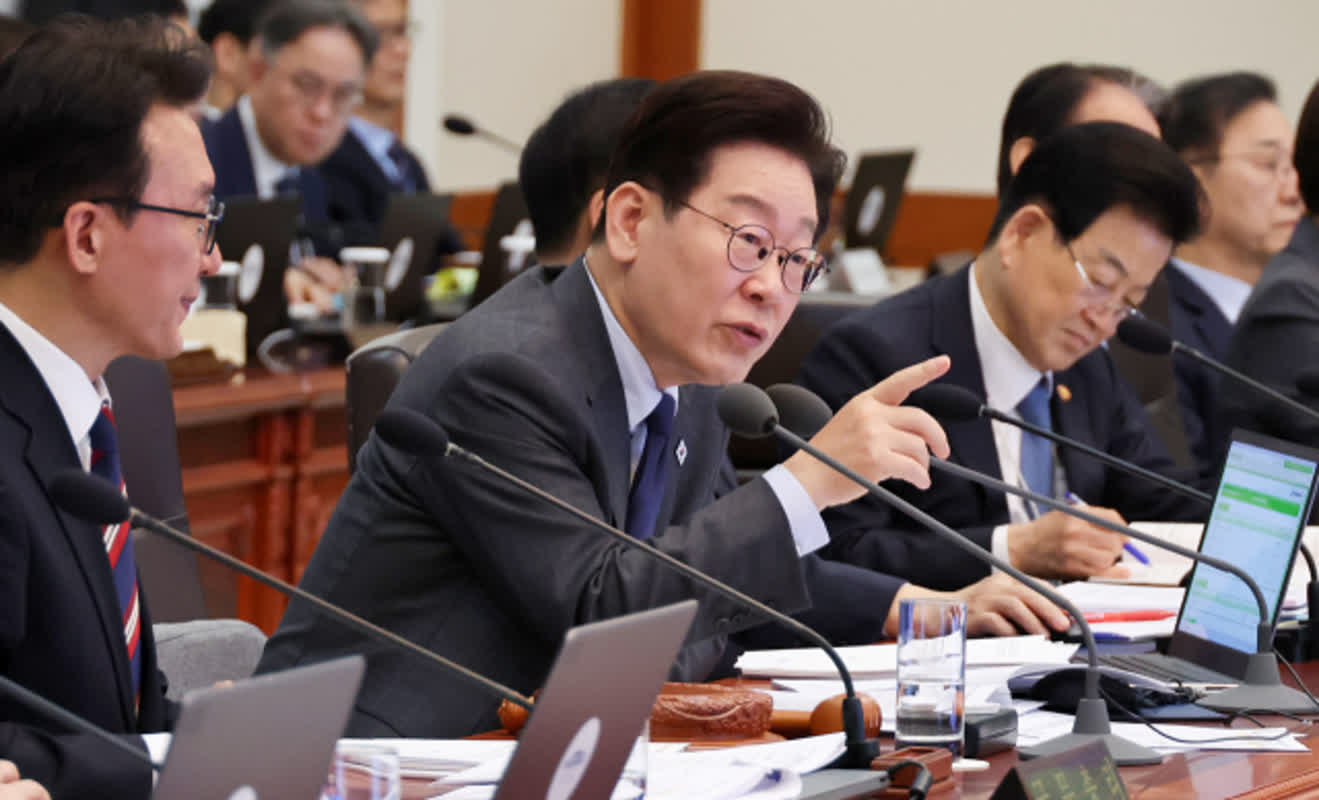
![Democratic Party candidate Kim Byung-wook for Seongnam mayor [Yonhap News]](https://contents-cdn.viewus.co.kr/image/2026/03/CP-2024-0005/image-6cfc006c-b305-46e0-a080-656a632457b2.png)
[The Public = Reporter Oh Doo-hwan] Questions are mounting about the source of funds after the son of Democratic Party candidate Kim Byung-wook purchased a high-priced apartment in Seongnam. Kim says the couple used their jeonse (lump-sum rental deposit) to cover the purchase, but critics say it is difficult to amass 1.2 billion KRW (about $900,000) in a short period.
According to a JTBC report on the 23rd, Kim’s son bought an apartment in Gaepo-dong, Gangnam, Seoul, in 2024 when he was 30; the sale price was about 2.8 billion KRW (about $2,100,000). Including acquisition taxes, the total cost approached 2.9 billion KRW (about $2,175,000). The central dispute is that roughly 1.2 billion KRW (about $900,000) of the purchase price has not been adequately explained.
The documented funding breakdown shows about 240 million KRW (about $180,000) in personal funds, 690 million KRW (about $517,500) borrowed from the parents, and a 1 billion KRW (about $750,000) bank loan. Kim says the remaining 1.2 billion KRW (about $900,000) came from the son and daughter‑in‑law’s existing jeonse deposit.
On Facebook, Kim wrote that the jeonse grew from 250 million KRW (about $187,500) in 2020 to 1.2 billion KRW (about $900,000) in 2022, and that the eldest son and his wife had been dual earners before marriage.
Observers, however, question the plausibility of that account. Kim’s son is reported to work at a foreign consulting firm and his daughter‑in‑law at a law firm; both reportedly earn around 100 million KRW annually (about $75,000).
Analysts say even with those incomes, accumulating 1.2 billion KRW (about $900,000) in cash over three years would be difficult. A 100 million KRW salary typically yields take‑home pay in the range of roughly 70–80 million KRW (about $52,500–$60,000) after taxes, and living expenses would shrink potential savings. While it is feasible to build several hundred million KRW in assets over time, reaching 1.2 billion KRW (about $900,000) in that period appears unlikely based on simple income-and-savings calculations.
Civic groups have also pressed for clarification. Seo Hui-won, head of the political-legislative team at the Citizens’ Coalition for Economic Justice, said additional explanation is needed, noting that there are no records of gift transactions and asking how 1.2 billion KRW (about $900,000) was raised so quickly.
Real estate and legal experts likewise emphasize the need to disclose objective documentation to substantiate the claimed source of funds.
Further questions stem from reports that the couple are currently studying in the United States. If accurate, they would be covering living and housing costs abroad while also shouldering interest on the domestic apartment loan, interest on the parents’ borrowing, and property taxes at home.
The apartment is currently leased with a security deposit of 100 million KRW (about $75,000) and monthly rent of 4.9 million KRW (about $3,675), but analysts say rental income alone would likely be insufficient to cover all those obligations.
At issue is transparency in the flow of funds. In high-value real estate transactions, clearly documenting the source of funds is both a legal requirement and a basic element of vetting public‑office candidates. Whether Kim provides additional supporting documentation could determine how the controversy unfolds.